The Evolution of Downtempo Music: A Journey Through Chill Beats
Read Time:4 Minute, 52 Second
The Evolution of Downtempo Music: A Journey Through Chill Beats
Downtempo music, a genre renowned for its relaxed tempos, atmospheric textures, and often melancholic yet soothing melodies, has become a cornerstone for listeners seeking a calmer sonic experience. Far from being a monolithic style, the history of downtempo music is a rich tapestry woven from various electronic and organic influences. From its underground origins to its widespread appeal in lounge bars and personal playlists, understanding the evolution of this captivating genre reveals a story of innovation, cultural shifts, and a collective yearning for chill beats.
This deep dive into downtempo will trace its roots, explore its diverse subgenres, and highlight the pivotal artists who shaped its sound, offering a comprehensive look at how these laid-back rhythms came to define an entire musical movement.
As an Amazon Associate, we earn from qualifying purchases.
Where Did Downtempo Music Originate?
The roots of downtempo music can be traced back to the late 1980s and early 1990s, primarily in the UK, emerging as a counterpoint to the high-energy rave and club culture prevalent at the time. As clubbers sought spaces to unwind after intense nights, “chillout rooms” became essential, demanding music that was both engaging and relaxing. This environment fostered experimentation, blending elements of ambient, jazz, funk, dub, and early electronic music.
Early pioneers often drew inspiration from diverse sources, including traditional world music, soul, and even classical compositions, all filtered through electronic production techniques. The concept wasn’t to create background music, but rather a rich, immersive soundscape designed for introspection and unwinding.
Key Pioneers and Early Sounds
The United Kingdom, particularly Bristol, played a crucial role in the development of what would become known as trip-hop, a foundational subgenre of downtempo. Artists like Massive Attack, Portishead, and Tricky spearheaded this sound, characterized by slow, heavy drum beats, jazz samples, melancholic vocals, and dark, cinematic atmospheres. Their innovative approach helped solidify the idea that electronic music could be deeply emotional and introspective, moving beyond the dancefloor. To delve deeper into this era, explore some influential albums in trip-hop history.
Simultaneously, artists exploring ambient and experimental electronic sounds contributed heavily. Groups like The Orb and Boards of Canada, while often categorized broadly as ambient or IDM (Intelligent Dance Music), shared the downtempo ethos of creating expansive, unhurried sonic environments designed for listening rather than dancing.

The Rise of Subgenres: A Diverse Landscape
Trip-Hop and its Melancholic Grooves
Trip-hop remains one of the most recognizable facets of downtempo. Born from a fusion of hip-hop breakbeats, jazz, soul, and dub reggae, it often features female vocalists, deep basslines, and a distinct sense of urban melancholy. Beyond the Bristol sound, artists worldwide began to incorporate these elements, expanding the genre’s reach and thematic scope.
Ambient Electronic and Chillout Culture
Ambient electronic music provided the perfect backdrop for the burgeoning chillout culture. Focused on atmosphere and texture rather than traditional song structure, ambient artists created sonic environments that could evoke a wide range of emotions without demanding active participation. This branch of downtempo is characterized by its expansive soundscapes, often incorporating synthesized pads, subtle melodies, and organic field recordings. To find new artists and releases within this sphere, explore independent ambient music labels. Understanding the elements of ambient music helps to appreciate its contribution to the wider downtempo spectrum.
Lo-Fi and its Modern Resurgence
More recently, lo-fi hip-hop has emerged as a dominant force within the broader downtempo landscape. Characterized by intentionally imperfect production, warm tape saturation, sampled jazz chords, and understated hip-hop beats, lo-fi offers a nostalgic, comforting sound. If you’re interested in creating your own chill beats, you can get downtempo samples and synth presets to start your production journey. It has found a massive audience, particularly online, providing a soundtrack for studying, working, or simply relaxing.
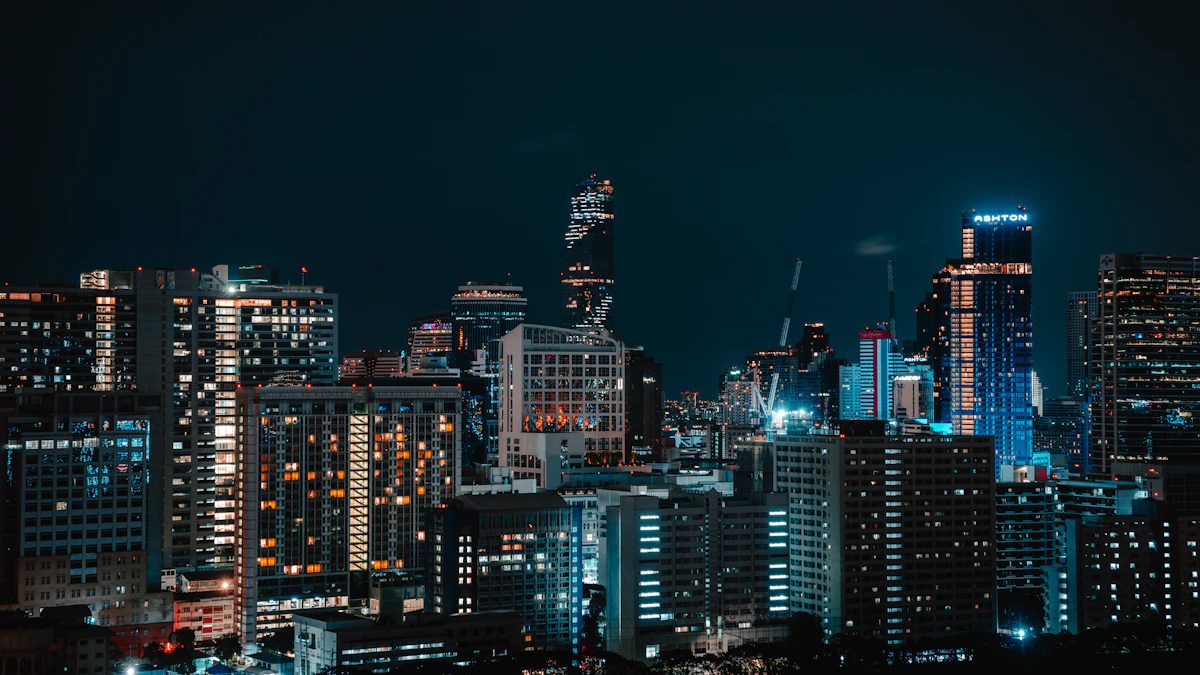
Modern Downtempo and its Diverse Landscape
Today, downtempo continues to evolve, absorbing influences from genres like chillwave, future garage, and even neoclassical music. Contemporary artists push the boundaries, incorporating global sounds, advanced sound design, and experimental structures while staying true to the genre’s laid-back essence. The internet and streaming platforms have played a significant role in its resurgence and diversification, allowing niche sounds to find global audiences. Discover some of the top downtempo artists you need to know as the genre continues to innovate.
The Enduring Appeal of Chill Beats
The enduring appeal of downtempo music lies in its versatility and its ability to act as a sonic balm in an often fast-paced world. Whether it’s the introspective depth of trip-hop, the expansive calm of ambient, or the comforting warmth of lo-fi, downtempo offers a sanctuary. It’s music that encourages reflection, relaxation, and a deeper connection to the sonic environment, proving that sometimes, the most profound musical experiences come from taking things slow. If you’re looking to explore the rich soundscapes of this genre, check out some downtempo music compilations on Amazon.
Frequently Asked Questions
Where did downtempo music originate?
Downtempo music originated in the late 1980s and early 1990s, primarily in the UK, as a response to the energetic club scene. It developed in “chillout rooms” and drew influences from ambient, jazz, funk, dub, and early electronic music, providing a relaxed counterpoint to dance music.
What are some key subgenres of downtempo?
Key subgenres of downtempo include trip-hop (known for its melancholic, sampled-based sound), ambient electronic (focused on atmospheric soundscapes), chillwave (often incorporating 80s synth-pop elements), and lo-fi hip-hop (characterized by imperfect, nostalgic production and jazz samples).
Who are the most influential artists in downtempo music history?
Influential artists in downtempo music history include Massive Attack, Portishead, and Tricky for pioneering trip-hop; The Orb and Boards of Canada for their ambient contributions; and more contemporary artists in the lo-fi and chillwave scenes who continue to evolve the genre.


Happy
0 %

Sad
0 %

Excited
0 %

Sleepy
0 %

Angry
0 %

Surprise
0 %
 0
0
 0
0