 0
0
 0
0
What is Downtempo Music? A Beginner’s Guide to Chillout Genres
In a world that often moves at a frantic pace, downtempo music offers a serene antidote. It’s a broad and inviting category of electronic music designed to soothe, relax, and provide a laid-back backdrop for life’s quieter moments. If you’re new to the genre, think of it as the ultimate chill-out soundtrack, perfect for winding down, focusing on work, or simply enjoying a peaceful evening.
This guide will introduce you to the essence of downtempo music, its core characteristics, and some of the key subgenres and artists that make this relaxing soundscape so captivating. Get ready to discover your next favorite listening experience.
As an Amazon Associate, we earn from qualifying purchases made through our affiliate links.
The Heart of Downtempo: Atmosphere and Groove
At its core, downtempo music refers to electronic genres characterized by slower tempos, unhurried rhythms, and a strong emphasis on mood and atmosphere over energetic danceability. While specific BPMs can vary, you’ll generally find tracks ranging from 80 to 120 beats per minute, creating a comfortable, unhurried pulse.
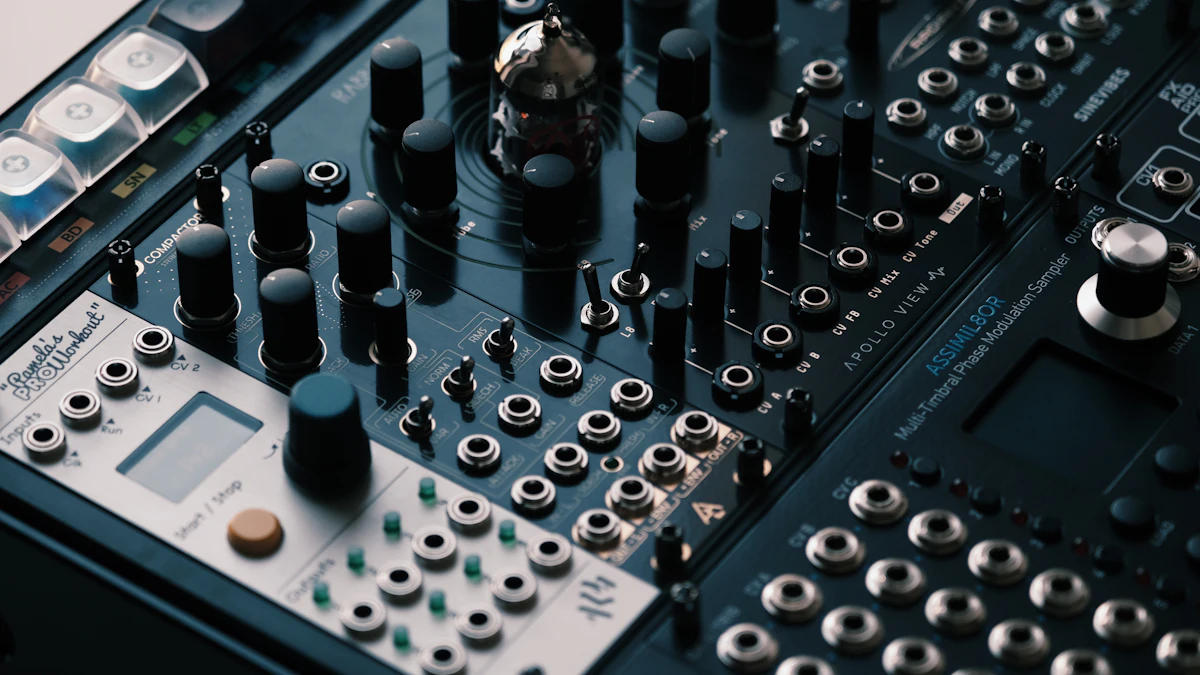
The goal isn’t to make you dance frantically, but rather to envelop you in sound, creating an environment that encourages relaxation, introspection, or focused activity. It’s often instrumental, allowing the intricate layers of sound to take center stage, though ethereal or sampled vocals can also be a key feature.
Key Characteristics of Downtempo Music
The beauty of downtempo lies in its diverse interpretations, but several elements typically define the genre:
- Relaxed Tempos: Significantly slower than house or techno, providing a mellow, unhurried feel.
- Layered Textures: Rich soundscapes built with synthesizers, pads, samples, and sometimes live instrumentation like guitars, pianos, or world music elements.
- Subtle Rhythms: Beats are often laid-back, sometimes syncopated, and less prominent than in dance music, focusing on a gentle groove.
- Atmospheric Qualities: Emphasis on creating a specific mood or environment, often dreamy, introspective, melancholic, or blissful.
- Minimalist Vocals: When present, vocals are often treated as another instrument, processed, ethereal, or sampled, rather than being the dominant focus.
Exploring the Diverse Subgenres of Downtempo
Downtempo is an umbrella term encompassing a rich tapestry of styles. Here are a few prominent ones you’ll encounter:
- Chillout: Perhaps the most widely recognized term, “chillout” originated from rooms at raves where people could unwind. It’s broadly atmospheric, melodic, and designed for relaxation. Think of classic Café del Mar compilations.
- Lo-Fi: Characterized by its deliberately “low fidelity” sound—warm, nostalgic, often with vinyl crackle or tape hiss added. Lo-fi hip-hop beats are a hugely popular subgenre, perfect for studying or background listening, often sampling jazz or soul.
- Ambient: While often considered distinct, ambient music shares significant overlap with downtempo, particularly on its slower, less rhythmic side. Ambient prioritizes atmosphere and texture over beats and melody, often creating vast, evolving soundscapes. If you’re interested in exploring this further, check out our guide on Discovering Ambient Music Genres. The key distinction from pure downtempo is that ambient often foregoes rhythm entirely.
- Trip-Hop: Emerging in the UK in the 1990s, trip-hop blends hip-hop beats with soul, jazz, and atmospheric electronic elements, often featuring darker moods and soulful vocals. Artists like Massive Attack and Portishead are iconic examples.
- Nu-Jazz / Acid Jazz (slower end): These genres fuse jazz sensibilities with electronic production, often featuring live instrumentation alongside programmed beats. The slower, more atmospheric tracks can certainly fall into the downtempo category.

Getting Started: Entry-Level Downtempo Artists
Ready to dive in? Here are some widely acclaimed artists whose work serves as an excellent entry point into the downtempo world:
- Zero 7: Known for their soulful vocals and lush, organic instrumentation, often compared to a more relaxed Air.
- Thievery Corporation: Masters of blending global influences, dub, jazz, and lounge elements into sophisticated, often politically charged, downtempo grooves.
- Bonobo: Blends live instrumentation with electronic production, creating intricate, emotional, and rhythmic downtempo tracks that are both danceable and relaxing.
- Tycho: Famous for his shimmering, sun-drenched electronic soundscapes that evoke feelings of nostalgia and open spaces.
- Boards of Canada: While leaning into more experimental and nostalgic territories, their hazy, often melancholic electronica is hugely influential in the broader downtempo scene.
Enhancing Your Downtempo Experience
- Create the Right Environment: Dim the lights, get comfortable, and minimize distractions. Downtempo thrives in a relaxed setting. You can find tips on Creating a Relaxing Sound Environment.
- Invest in Quality Audio: The nuances in downtempo tracks are best appreciated with good headphones or speakers. Explore options for Headphones for Deep Listening to truly capture every detail.
- Explore Curated Playlists: Many streaming services offer excellent “chill,” “downtempo,” or “lo-fi study” playlists that are perfect for discovery. For the best sound quality, you might want to Try Hi-Res Music Streaming.
To dive deeper into the world of downtempo, consider exploring some classic downtempo music albums to start your collection. You might also want to pick up some Essential Vinyl Accessories to care for them.
Frequently Asked Questions About Downtempo Music
What are the main characteristics of downtempo music?
Downtempo music is primarily characterized by its slower tempos (typically 80-120 BPM), laid-back and often subtle rhythms, rich atmospheric soundscapes created with electronic and sometimes organic instruments, and an overall focus on mood and relaxation rather than energetic danceability. Vocals, if present, are often ethereal or sampled.
Can you recommend some entry-level downtempo artists?
Absolutely! Great artists to start with include Zero 7 for soulful and organic sounds, Thievery Corporation for global and sophisticated grooves, Bonobo for intricate and emotional electronic music, and Tycho for shimmering, nostalgic soundscapes. Boards of Canada also offers a uniquely influential and atmospheric experience.
How does downtempo differ from ambient music?
While often overlapping, the main difference lies in the presence and prominence of rhythm. Downtempo music typically features discernible beats and rhythmic structures, even if they are slow and subtle. Ambient music, on the other hand, often minimizes or entirely foregoes rhythm, focusing instead on evolving textures, drones, and expansive soundscapes designed for atmosphere rather than a groove.
Embrace the Chill
Downtempo music is more than just a genre; it’s an invitation to slow down, breathe, and appreciate the nuanced beauty of sound. Whether you’re seeking focus, relaxation, or simply a soundtrack for a quiet moment, the world of downtempo offers endless possibilities for discovery. So, put on some headphones, lean back, and let the chill vibes wash over you.


