 0
0
 0
0
Lo-fi hip hop has captured the hearts of listeners worldwide with its characteristic warm, nostalgic, and often hazy sound. More than just a genre, it’s an aesthetic that evokes a sense of comfort and introspection. For aspiring producers and beatmakers, delving into music production courses offers a unique creative journey, focusing on imperfections, texture, and mood over pristine clarity. This guide will explore the essential techniques and tools you need to capture that authentic, laid-back vibe in your own lofi beat making.
As an Amazon Associate, we earn from qualifying purchases.
What Makes Lo-Fi Hip Hop Unique?
At its core, lo-fi hip hop embraces the “low fidelity” aspect, deliberately incorporating sonic artifacts that are often removed in other genres. This includes elements like vinyl crackle, tape hiss, degraded samples, and warm, saturated tones. The goal isn’t to sound “bad,” but rather to create a distinct, atmospheric quality that feels lived-in and organic. It often draws heavily from jazz, soul, and old school hip hop, blending dusty drums with soulful samples and melancholic melodies.
Essential Production Techniques
Mastering the Art of Sampling
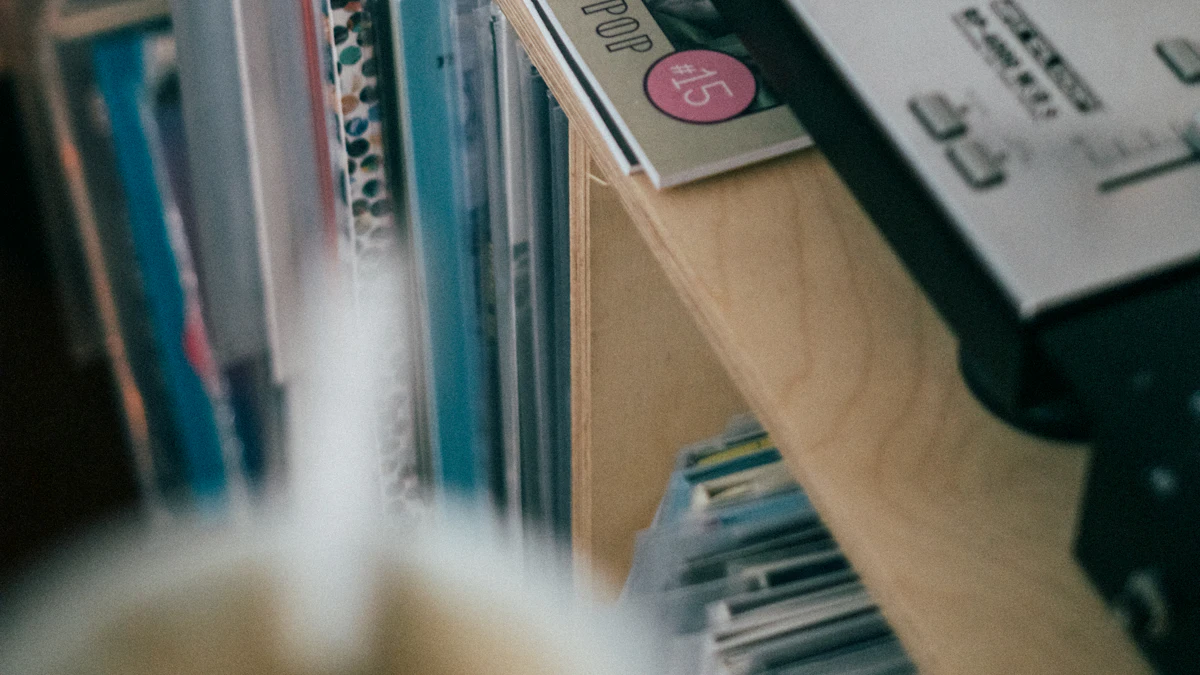
Sampling is arguably the cornerstone of lo-fi hip hop production. Digging for curated vinyl records—jazz, soul, funk, or obscure world music—and extracting short loops or one-shots is a fundamental practice. The key is to find samples with character and manipulate them creatively. This might involve pitching them down, chopping them into new arrangements, or layering them to build rich textures. Don’t be afraid to experiment with unexpected sources; the imperfection of an old recording often contributes perfectly to the lo-fi aesthetic. Thoughtful sampling forms the backbone of many chillhop tracks.
Crafting Authentic Drums
Lo-fi drums are typically punchy but often softened or “dusty” in their presentation. Start with drum breaks from old records or use drum machine samples (like those from an MPC or SP-404). Process them with subtle saturation, gentle compression, and a touch of distortion to give them grit. Humanizing the groove is also crucial; slightly off-quantized drums or swing can add a natural, laid-back feel that’s essential for chillhop techniques. Layering different drum samples can also add depth and impact.
Melodies and Harmonies: The Soul of Lo-Fi
Melodies in lo-fi hip hop often lean towards melancholic, jazzy, or reflective tones. Think warm Rhodes pianos, dusty electric guitars, or hazy synth pads. Simple, repetitive chord progressions (often drawing from jazz progressions) can create a hypnotic, meditative atmosphere. Using vintage-sounding virtual instruments or processing modern synths with retro effects can help achieve this tonal quality. Often, the melody isn’t meant to be overly complex but rather to evoke a specific mood.
Building Groovy Basslines
A solid, understated bassline anchors any lo-fi track. Simple, clean sub-basses or warm, plucked electric bass sounds work well. The goal is to provide a rhythmic and harmonic foundation without overpowering the other elements. Keep basslines relatively simple, letting them groove with the drums and support the melody. Sometimes, even a heavily processed 808 can find its place in the lo-fi soundscape, provided it’s tamed and textured appropriately.
The Magic of Effects: Achieving that Hazy Warmth
- Vinyl Emulators: Plugins that simulate vinyl crackle, dust, and warp are crucial for adding that signature aged feel.
- Tape Saturation: Emulating analog tape saturation adds warmth, subtle compression, and harmonic richness.
- Reverb & Delay: Use subtle, often dark or springy, reverbs to create space without making the mix sound overly clean. Delays can add texture and movement.
- EQ: Often, producers will roll off some of the high-end frequencies to create a darker, more mellow sound. Boosting certain mid-range frequencies can enhance warmth.
- Bitcrushing/Sample Rate Reduction: Used sparingly, these effects can mimic older digital samplers, adding a gritty, lo-fi texture.
- Compression: Gentle compression on individual tracks and the master bus helps glue everything together and adds punch without sacrificing dynamics too much.
Tools of the Trade for Lo-Fi Producers
While the techniques are paramount, having the right tools can certainly streamline your lo-fi hip hop production workflow.
Choosing Your Digital Audio Workstation (DAW)
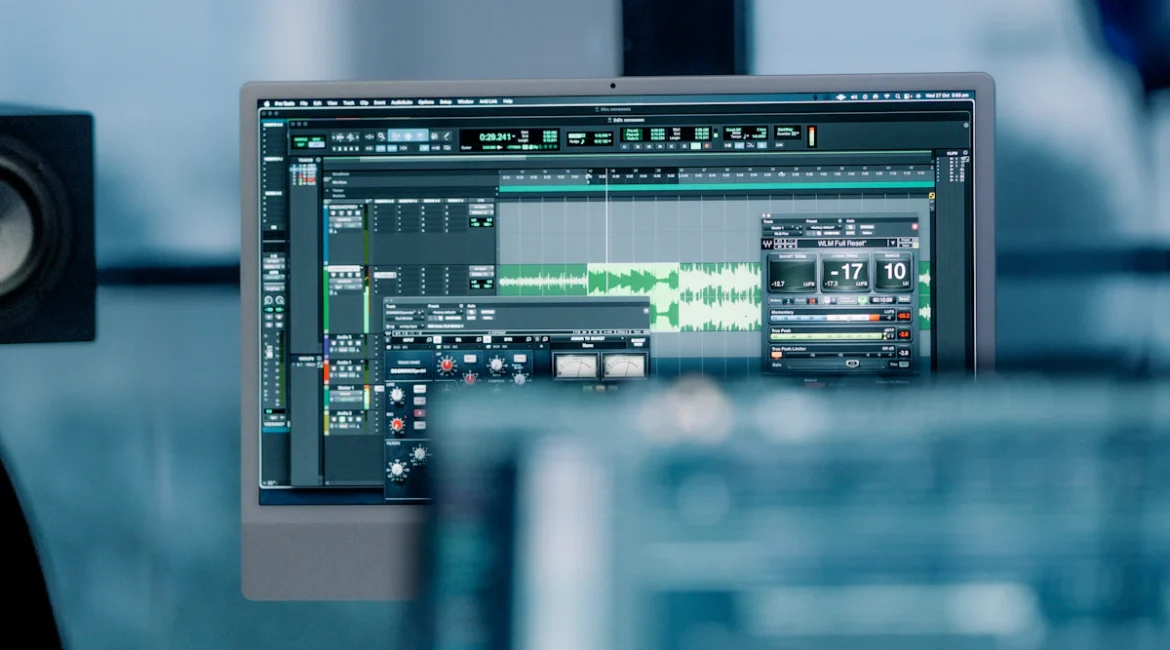
Virtually any modern DAW can be used for lo-fi production. Popular choices include Ableton Live, FL Studio, Logic Pro, and Reason. The best DAW is the one you’re most comfortable with and that inspires your creativity. For a deeper dive into selecting the right software, check out our guide on choosing a digital audio workstation (DAW).
Essential Hardware and Peripherals
While not strictly necessary, some hardware can enhance your workflow and sound. An audio interface for beginners is crucial for connecting microphones or instruments and ensuring high-quality audio input and output. MIDI controllers for beginners are excellent for playing melodies, programming drums, and manipulating parameters in your DAW. And good quality studio monitors for home use are invaluable for hearing your mix accurately. While not all gear is essential, investing in key pieces can significantly impact your sound and workflow.
Many VSTs (Virtual Studio Technology) and plugins are designed specifically to emulate vintage gear and lo-fi characteristics. Look for plugins that offer tape saturation, vinyl emulation, spring reverb, and warm, analog-sounding synths. There are also numerous free and paid sample packs available that are curated for the lo-fi sound. You can explore a wide range of production tools and effects to help achieve your desired sound. Explore lofi production gear on Amazon to find suitable equipment.

Workflow Tips for the Lo-Fi Aesthetic
- Embrace Imperfection: Don’t strive for sonic perfection. A slightly off-key sample or a subtle crackle can add character.
- Layering is Key: Combine different elements—multiple drum layers, layered pads, subtle background textures—to create depth.
- Less is More: Often, simple arrangements with well-chosen sounds are more effective than complex, cluttered mixes.
- Focus on Mood: Prioritize creating an emotional atmosphere. Think about the story or feeling you want to convey.
- Experiment: Don’t be afraid to break rules. Try processing sounds in unconventional ways or using effects for purposes they weren’t originally intended.
Frequently Asked Questions About Lo-Fi Hip Hop Production
What makes lo-fi hip hop sound lo-fi?
Lo-fi hip hop sounds lo-fi due to the intentional inclusion of imperfections and characteristics associated with older recording equipment. This includes vinyl crackle, tape hiss, warm saturation, subtle distortion, muffled frequencies (often rolling off high-end), and the use of samples from vintage recordings. These elements collectively create a nostalgic, textured, and “worn” sound profile.
What are common instruments used in lo-fi?
Common instruments and sounds in lo-fi hip hop often include Rhodes electric pianos, acoustic pianos (often detuned or processed), soulful guitar samples, upright bass or warm synth basslines, and dusty drum breaks (often sourced from jazz or funk records). Vintage synthesizers, pads, and atmospheric textures also play a significant role.
Can I produce lo-fi hip hop with free software?
Absolutely! You can produce high-quality lo-fi hip hop using entirely free software. Free DAWs like GarageBand (macOS), Cakewalk by BandLab (Windows), or even powerful open-source options like Audacity combined with free VST plugins (many excellent free vinyl emulators, saturation plugins, and sample packs exist) provide all the tools you need to get started. The essence of lo-fi is in the techniques and creative mindset, not expensive gear.
Exploring the nuances of lo-fi hip hop production is a rewarding journey that emphasizes creativity, texture, and mood. By understanding the core techniques—from intelligent sampling and crafting dusty drums to applying atmospheric effects—you can begin to carve out your own unique sound. Remember that the genre thrives on experimentation and a willingness to embrace imperfections. So, open your DAW, dig for some inspiring sounds, and start creating those chill, hazy beats.


