
 0
0
 0
0
In the vast soundscapes of downtempo and chillout music, where atmosphere and mood reign supreme, one element consistently provides the anchor: the bass. More than just a rhythmic backbone, the bass frequencies in these genres are crucial for creating depth, warmth, and that signature hypnotic groove. It’s the sonic bedrock upon which intricate melodies and ethereal pads are built, often working subtly to move the listener without demanding overt attention.
As an Amazon Associate, we earn from qualifying purchases.
The Foundation of Groove: Why Bass Matters

The bass in downtempo and chillout isn’t about aggression or overt punch; it’s about foundation and feel. It provides the crucial low-end information that grounds the track, giving it body and a sense of gravity. Without a well-crafted bassline, these genres can feel thin, lacking the warmth and weight essential to their character. The bass often dictates the harmonic movement, guiding the listener through chord progressions while simultaneously contributing to the rhythmic pulse, often in understated yet powerful ways. It’s a key ingredient in understanding the moods of chillout music, setting the overall emotional tone.
Sub-Bass: The Unseen Force
A significant aspect of the low-end in downtempo and chillout is the sub-bass. These ultra-low frequencies are often felt more than heard, adding a powerful, visceral dimension to the music. Sub-bass provides a sense of fullness and space, creating an enveloping sound that contributes heavily to the immersive experience. In many tracks, a deep, sustained sub-bass note or a gently pulsing sub-bass line acts as a continuous undercurrent, enhancing the relaxed yet profound atmosphere.
Anatomy of Downtempo Basslines
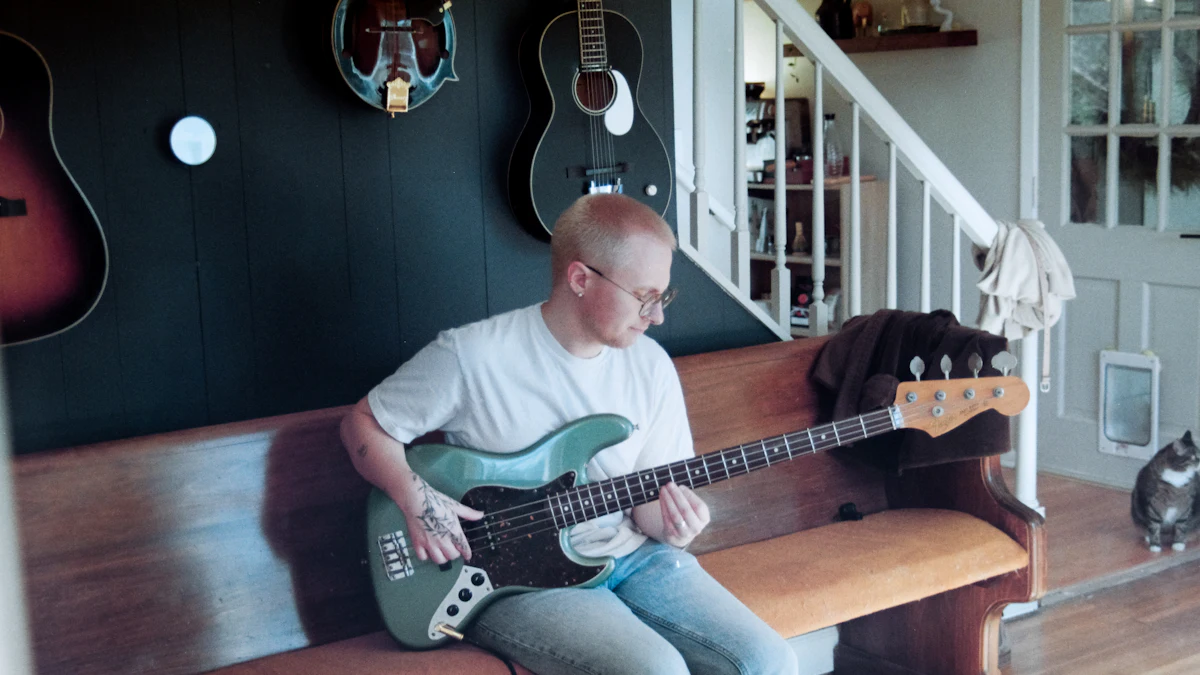
Downtempo and chillout tracks employ a diverse range of bass sounds and patterns, each contributing uniquely to the overall composition. From smooth, sustained tones to intricate, bubbling sequences, the choice of bass sound and its arrangement is critical.
Melodic Basslines
Often, the bassline in downtempo acts as a melodic counterpoint, weaving subtle harmonies around the main melodies or pads. These basslines might feature gentle arpeggios or smoothly gliding notes that add harmonic richness and movement without dominating the soundscape. They are designed to complement, not compete, fostering a sense of calm and introspection.
Driving Rhythmic Bass
While often understated, bass can also be a rhythmic driver. Think of a gentle, repetitive two-note pulse or a syncopated pattern that subtly propels the track forward. This rhythmic function helps define the evolution of downtempo beats, giving them their characteristic laid-back yet engaging propulsion. It’s less about a sharp attack and more about a soft, continuous push.
Atmospheric Bass
In many chillout pieces, bass can serve primarily an atmospheric purpose. Long, evolving bass pads or filtered, washed-out bass tones can create a sense of vastness, mystery, or tranquility. This type of bass contributes to the overall texture and ambience, blending seamlessly into the background while still providing essential low-end presence, almost leading into the realm of exploring the world of ambient music.
Production Techniques: Crafting the Low End
Producers dedicate significant attention to sculpting the bass in downtempo and chillout, understanding its profound impact on the final mood and quality of a track. It requires a delicate balance of technical skill and creative intuition.
Sound Design and Synthesis
Creating the perfect bass sound often involves synthesis. Analog-style synthesizers, soft synths, and sampling are commonly used to generate warm, deep, and often subtly textured bass tones. Experimentation with waveforms, filtering, envelopes, and subtle modulation is key to achieving that signature downtempo depth. For those looking to dive deeper, exploring essential lo-fi production techniques can provide valuable insights into crafting unique low-end elements.
Mixing and EQ
Proper mixing and equalization (EQ) are paramount. The bass needs to sit perfectly in the mix, providing weight without muddying other elements. Careful use of EQ ensures that the bass occupies its own frequency space, often below 150-200 Hz, allowing other instruments to shine. Compression is also often applied gently to maintain a consistent, smooth presence, ensuring the bass is felt throughout the track without being overbearing.
Beyond the Beat: Emotional Impact of Bass
The impact of bass in downtempo and chillout transcends mere technicality; it’s deeply emotional. The low frequencies can evoke feelings of comfort, introspection, warmth, and even melancholy. A deep, resonant bass can create a sense of grounding and stability, while a more evolving or ethereal bassline can invite contemplation. It’s the heartbeat of the genre, an understated yet potent force that guides the listener through serene sonic landscapes.
Frequently Asked Questions About Bass in Downtempo and Chillout Music
Question: How does bass contribute to the overall feel of downtempo music?
Bass provides the fundamental harmonic and rhythmic anchor in downtempo. It adds warmth, depth, and a sense of grounding, helping to create the genre’s characteristic relaxed and immersive atmosphere. It often works subtly, guiding the listener’s ear and enhancing the emotional resonance without being overtly dominant.
Question: What are the different types of bass sounds used in chillout tracks?
Chillout tracks utilize various bass sounds, including deep, sustained sub-bass tones for atmosphere, melodic basslines that add harmonic movement, and gently rhythmic bass patterns that provide subtle propulsion. Producers also employ evolving bass pads or filtered bass textures for ambient effects.
Question: How do producers sculpt bass frequencies to create atmosphere in downtempo?
Producers sculpt bass through sound design, synthesis, and careful mixing. They use techniques like selecting warm waveforms, applying gentle filtering and envelopes, and using subtle modulation to create evolving textures. In mixing, EQ ensures the bass occupies its own frequency range, while gentle compression maintains a smooth, consistent presence, all contributing to the overall atmospheric depth.
The bass in downtempo and chillout music is far more than just a supporting element; it is an intrinsic part of the genre’s identity. From the grounding sub-bass that resonates deep within to the subtly melodic lines that invite contemplation, the low end is a master architect of mood, groove, and emotional depth. So next time you immerse yourself in a downtempo track, take a moment to appreciate the profound, often understated, power of the bass. If you’re interested in exploring the principles behind crafting compelling music, consider searching for music composition books on Amazon.


