 0
0
 0
0
Beyond Vinyl: The Resurgence of Cassette Tapes in Lo-Fi Culture
In a world dominated by digital streaming and the much-lauded vinyl revival, a quieter, more understated format has been making an unexpected comeback: the humble cassette tape. Once considered obsolete, these compact, magnetic strips of audio are finding a vibrant new life, particularly within the burgeoning lo-fi music scene and among collectors seeking a unique listening experience. Far from being a mere relic, cassettes offer a distinct charm, a tangible connection to music, and an aesthetic that resonates deeply with modern artists and listeners alike.
As an Amazon Associate, we earn from qualifying purchases.
The Allure of Analog: Why Cassettes Are Back
The return of cassette tapes isn’t just about nostalgia for the 80s or 90s; it’s a deliberate choice by a new generation of audiophiles and artists who appreciate its unique qualities. In an age of pristine digital audio, the inherent imperfections of tape offer a refreshing contrast.
The Lo-Fi Connection
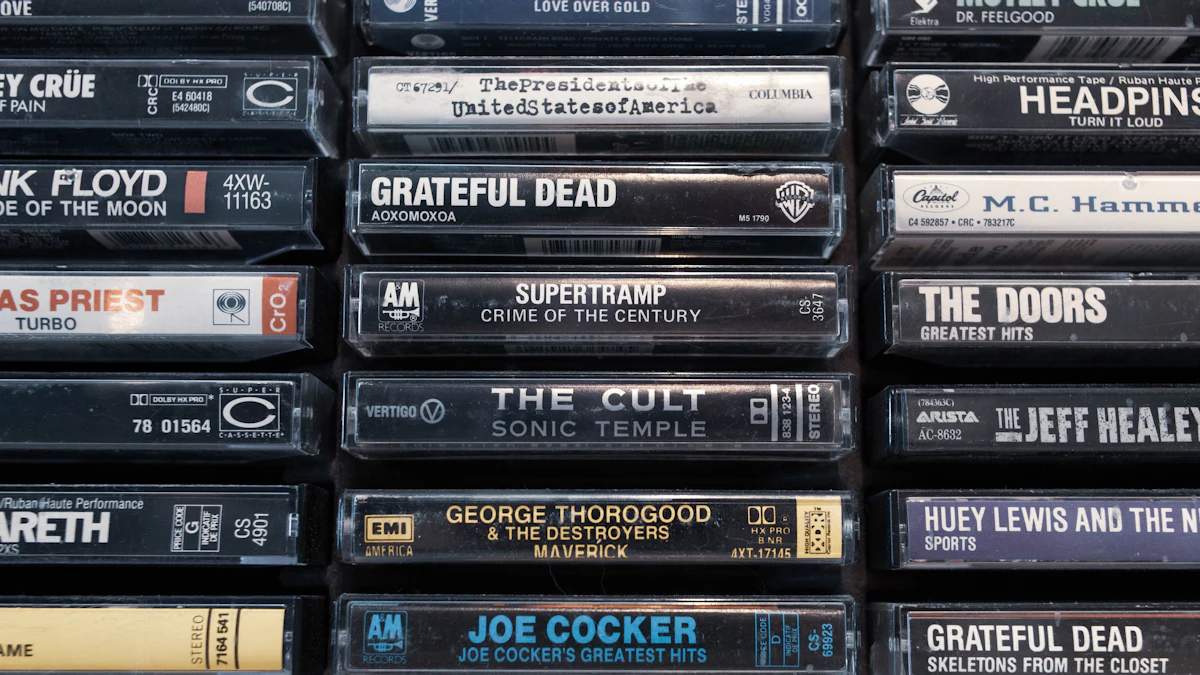
Cassettes naturally lend themselves to the lo-fi aesthetic. Their sound often comes with a characteristic warmth, a subtle hiss, and a natural compression that digital formats strive to emulate but rarely achieve authentically. For genres like lo-fi hip-hop, ambient, and indie experimental music, this charm of analog audio isn’t a flaw but a feature, adding character and depth to the soundscape. The raw, unfiltered quality of a tape recording perfectly complements the DIY spirit that defines much of the lo-fi hip-hop phenomenon and similar genres, creating an intimate listening experience. Producers looking to capture this sound can find downtempo samples and synth presets to inspire their creations.
A Distinctive Sound: Understanding the Cassette Aesthetic
What exactly defines the “cassette sound”? It’s a combination of factors. The magnetic tape itself introduces a certain amount of noise, known as tape hiss, which some find distracting but others consider part of the format’s charm. There’s also a subtle wow and flutter, minute variations in tape speed that give recordings a slightly wavy, dreamlike quality. These elements, combined with the inherent compression of the format, contribute to a sound that feels warm, organic, and distinctly “vintage.” While high-fidelity digital aims for transparency, cassettes embrace sonic texture.
From Niche to Noticeable
Independent artists and small labels have been at the forefront of the cassette revival, using tapes as an accessible and affordable medium for releasing limited editions. This allows them to offer fans a physical product that feels special and exclusive, fostering a stronger connection. To explore new music from independent ambient and downtempo labels, many bands find that selling cassettes at shows or through online stores provides a unique piece of merchandise that stands out, often featuring bespoke artwork and packaging.
Beyond Nostalgia: Practicality and Accessibility
Compared to vinyl, cassettes offer several practical advantages. They are significantly cheaper to produce, making them a viable option for emerging artists without large budgets. For listeners, players are often more affordable and portable. Vintage Walkmans and boomboxes are readily available, offering a retro listening experience on the go. While discussing high-fidelity playback, the complexities of producing other physical formats, such as the intricacies of understanding different vinyl pressing qualities, highlight the relative simplicity and low barrier to entry that cassettes offer for creators.
Finding Your Own Cassette Groove
If you’re curious to dive into the world of cassette tapes, getting started is easy. Many independent music retailers, online labels, and even larger music stores now stock new releases on cassette. For playback, you can find a variety of options, from vintage decks to modern portable cassette players. Exploring this format is an adventure, offering a tactile and sonic journey back to the roots of physical music consumption, with a fresh, modern twist.
Frequently Asked Questions
Why are cassette tapes making a comeback?
Cassette tapes are experiencing a comeback due to several factors: a desire for tangible music formats in the digital age, a nostalgic appeal for those who grew up with them, their affordability for independent artists to produce, and their unique warm, imperfect analog sound that aligns perfectly with the lo-fi aesthetic.
What defines the “lo-fi” sound often associated with cassettes?
The “lo-fi” sound often associated with cassettes is characterized by its inherent imperfections, such as subtle tape hiss, natural compression, and a warm, slightly degraded audio quality. These elements contribute to a raw, intimate, and often nostalgic soundscape that many artists and listeners actively seek out, contrasting with the pristine clarity of digital audio.
Where can I find new music released on cassette?
New music released on cassette can be found through various channels, including independent record labels’ websites, online music platforms like Bandcamp, specialized cassette-focused distributors, and occasionally in local independent record stores. Many artists also sell their cassette releases directly at live shows or through their personal websites.


