 0
0
 0
0
The Importance of Quality Audio Cables in Your Hi-Fi Setup
In the world of high-fidelity audio, few topics spark as much debate and discussion as the role and impact of audio cables. Some enthusiasts swear by their transformative power, while others dismiss them as mere conduits with negligible influence on sound. The truth, as often is the case, lies somewhere in the middle, and understanding the nuances of audio cable quality is key to optimizing your listening experience.
As an Amazon Associate, we earn from qualifying purchases.
If you’ve recently embarked on the journey of setting up your first home audio system, you might be wondering where to best allocate your budget. While quality home audio speakers, amplifiers, and source components often take center stage, the cables connecting them play a surprisingly critical role in preserving the integrity of the audio signal. This article aims to demystify the common debate and highlight why thoughtful cable selection can significantly enhance your hi-fi sound.
Do Audio Cables Really Make a Difference?
At its core, an audio cable’s job is to transport an electrical signal from one component to another with as little alteration as possible. Whether it’s an analog signal from a turntable to an amplifier or a digital stream from a streamer to a DAC, the goal is fidelity. While a basic cable might get the job done, a higher-quality cable is designed to minimize interference, reduce signal loss, and maintain the delicate nuances of the original sound wave.
Think of it like a pipeline for water. A pipe with cracks, obstructions, or poor seals will deliver less water, or water that’s contaminated. Similarly, a poorly constructed audio cable can introduce noise, dampen dynamics, or subtly alter the frequency response, preventing your expensive components from performing at their best.
Understanding Different Types of Audio Cables
Your hi-fi system relies on several types of cables, each serving a distinct purpose:
Interconnects: The Signal Bearers
Interconnects typically carry low-level signals between source components (like a CD player or DAC) and your amplifier or pre-amplifier. Common types include:
- RCA Cables: The most prevalent analog interconnect, using two conductors (signal and ground) and often terminated with red and white plugs for stereo channels.
- XLR Cables: Primarily used in professional audio and high-end consumer gear, XLR cables feature a balanced design with three conductors (two signals and a ground), offering superior noise rejection over longer runs.
The quality of these cables directly affects the clarity and purity of the audio signal before it’s amplified.
Speaker Cables: Power Delivery to Your Drivers
Speaker cables are responsible for carrying the amplified audio signal from your power amplifier to your loudspeakers. Unlike interconnects, they handle much higher current and voltage. Key considerations for speaker cables include wire gauge (thickness), conductor material, and insulation.
For more on how your amplifier interacts with your speakers, you might find our article on understanding speaker impedance helpful.
Digital Audio Cables: Preserving Data Integrity
Digital audio cables transmit data rather than analog waveforms. While the argument for their impact on sound is often framed differently, maintaining data integrity is paramount. Common types include:
- Optical (Toslink) Cables: Transmit digital audio using light pulses, making them immune to electromagnetic interference.
- Coaxial Cables: Use an electrical signal to transmit digital audio, similar to an RCA cable but designed for digital data.
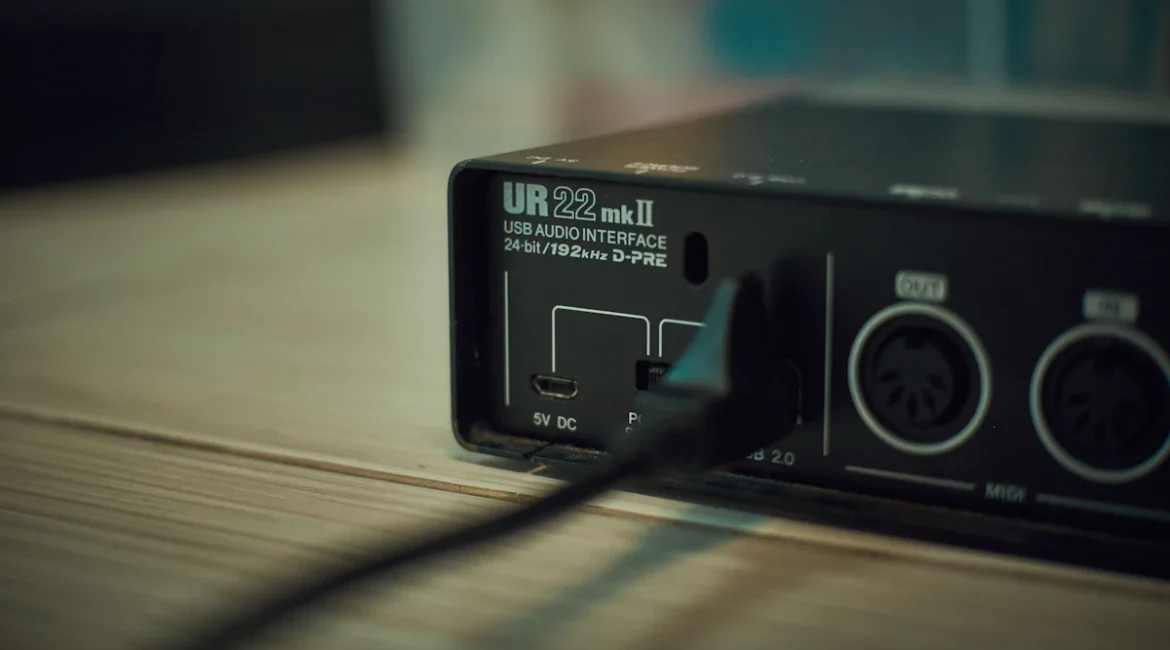
- USB Cables: Increasingly common for connecting computers or streamers to USB DACs, transmitting digital audio data and sometimes power.
Even though they carry ‘ones and zeros,’ the quality of digital cables can still influence factors like timing (jitter) and the overall noise floor, which can subtly affect the perceived audio fidelity.
How Quality Cables Enhance Your Listening Experience
So, how exactly does investing in better audio cable quality translate to better sound? Here are the primary ways:
Noise Reduction and Shielding
One of the most significant benefits of high-quality cables is their ability to reduce unwanted noise and interference. Audio systems operate with very small electrical signals, which are susceptible to picking up electromagnetic interference (EMI) and radio frequency interference (RFI) from nearby electronic devices, power lines, and Wi-Fi signals. Quality cables incorporate superior shielding materials and construction techniques to block these external noises, leading to a cleaner, blacker background for your music.
Signal Integrity and Purity
Over distances, especially with analog signals, even small amounts of resistance, capacitance, or inductance in a cable can subtly alter the audio signal. High-quality cables use purer conductors (like oxygen-free copper or silver-plated copper) and better dielectric (insulating) materials to minimize these electrical properties. This ensures that the audio signal arrives at its destination with its original dynamics, transient response, and frequency balance intact, contributing to better audio fidelity.
Durability and Reliability
Beyond sound performance, well-made cables are built to last. They feature robust connectors, durable jackets, and sturdy internal construction that can withstand repeated connections and disconnections without degrading. This reliability ensures consistent performance over the long term and reduces the chance of frustrating intermittent signal issues.
If you’re also exploring dedicated components like a dedicated headphone amplifier, the same principles of signal purity apply to your headphone cables and interconnects within that setup.
What to Look For When Choosing Cables
When considering an upgrade, focus on these aspects:
- Conductor Material: Oxygen-free copper (OFC) is a common standard, with higher purity versions (like OCC copper) and silver or silver-plated copper offering further enhancements in some designs.
- Shielding: Look for cables with multiple layers of shielding (foil, braid) to combat EMI/RFI.
- Dielectric Material: Good insulation (e.g., PTFE/Teflon, polyethylene) minimizes energy absorption and release, preserving signal timing.
- Connectors: High-quality, gold-plated connectors ensure good contact and resist corrosion.
- Construction: Solid core vs. stranded, geometry, and twists can all influence performance by minimizing inductance and capacitance.
You can explore a wide range of options for your hi-fi setup, including audio interconnects, oxygen-free copper cables, and digital cables on Amazon.
Conclusion
While cables should never be seen as a substitute for quality components, neglecting them can certainly hold your system back. High-quality audio cables act as vital arteries in your hi-fi setup, allowing your premium components to perform to their full potential by ensuring clean, unadulterated signal transmission and effective noise reduction. By understanding their role and making informed choices, you can achieve a more immersive, detailed, and enjoyable listening experience. To further Improve Your Listening Room, consider optimizing its acoustics.
Ultimately, the best way to determine the impact of new cables is to listen for yourself. Trust your ears and enjoy the journey of perfecting your sound system.
FAQ
Do expensive audio cables really make a difference?
Yes, good quality audio cables can make a difference, primarily by minimizing signal degradation and reducing noise interference. While the impact might be subtle for some listeners, many audiophiles report improved clarity, detail, and dynamics. The audible difference often becomes more apparent with higher-resolution audio and more revealing sound systems.
What types of audio cables are essential for a hi-fi system?
The essential cable types include interconnects (e.g., RCA or XLR) to connect source components to your amplifier, speaker cables to connect your amplifier to your speakers, and digital audio cables (e.g., optical, coaxial, or USB) if you’re using digital sources and a separate DAC.
How can I tell if an audio cable is of good quality?
Good quality audio cables typically feature high-purity conductor materials (like oxygen-free copper), effective shielding to prevent interference, robust insulation (dielectric), and high-quality, corrosion-resistant connectors (often gold-plated). You can also look for reputable brands known for their engineering and focus on performance, rather than just aesthetics. Reading reviews from trusted sources can also provide valuable insights.


