Beginner’s Guide to Sampling in Downtempo Music Production
Read Time:8 Minute, 13 Second
Beginner’s Guide to Sampling in Downtempo Music Production
Downtempo music thrives on atmosphere, texture, and often, a sense of nostalgia or a unique sonic fingerprint. One of the most powerful techniques to achieve this rich sound is sampling. For aspiring downtempo producers, understanding how to effectively use samples is not just a skill – it’s an art form that can unlock endless creative possibilities.
Whether you’re looking to chop up classic breakbeats, layer ethereal pads, or weave in found sounds, sampling offers a direct path to crafting the intricate and captivating soundscapes characteristic of downtempo genres. This guide will walk you through the fundamentals, helping you integrate sampling into your production workflow.
What is Sampling?
At its core, sampling is the act of taking a portion of one sound recording (a “sample”) and reusing it in a new piece of music. This can range from a single drum hit to a melodic phrase, an atmospheric texture, or even a snippet of dialogue. In the early days of electronic music and hip-hop, producers would often use hardware samplers to capture sounds from vinyl records, manipulating them to create entirely new compositions.
In downtempo music, sampling goes beyond mere reproduction. It’s about transformation – recontextualizing sounds to evoke specific moods, create intricate rhythms, or add a unique sonic signature that would be difficult to achieve otherwise. It allows producers to borrow elements from diverse sources, blending them into a cohesive and original sonic tapestry.
Why is Sampling Crucial for Downtempo?
Downtempo genres like trip-hop, lo-fi, chillwave, and ambient often rely on a layered, organic, and sometimes gritty sound. Sampling contributes to this in several ways:
- Atmosphere and Texture: Samples can instantly inject a particular mood or texture, whether it’s the warm crackle of vinyl, the distant echo of a horn, or the subtle ambience of a field recording.
- Unique Sonics: Using obscure samples ensures your tracks stand out, offering sounds that aren’t readily available in standard synth presets or drum machines.
- Rhythmic Foundation: Chopped breakbeats are a hallmark of many downtempo styles, providing a soulful and complex rhythmic backbone.
- Inspiration: A compelling sample can be the starting point for an entire track, sparking ideas for melodies, harmonies, and overall arrangement.
- Nostalgia and Familiarity: Re-contextualizing familiar sounds can evoke a sense of nostalgia, creating an emotional connection with the listener.
Types of Samples Used in Downtempo
The beauty of sampling in downtempo is its boundless versatility. Here are common types of samples:
- Drums and Percussion: From classic breakbeats to individual drum hits (kicks, snares, hats) and exotic percussion, these form the rhythmic backbone.
- Melodic and Harmonic Loops: Snippets from old jazz, soul, funk, or world music records can be chopped, pitched, and looped to create unique melodic phrases or harmonic beds.
- Basslines: Extracting a groovy bassline from another track and adapting it to your tempo and key can instantly add a foundational element.
- Vocals: Short vocal phrases, ad-libs, or even spoken word snippets, often heavily processed, can add a human touch or an eerie, ethereal quality.
- Field Recordings and Foley: Sounds captured from real-world environments (rain, city bustle, birdsong, footsteps) can add depth, realism, and unique ambience.
- Sound Effects (SFX): Synthesized or recorded effects like risers, impacts, glitches, or swooshes contribute to transitions and overall sound design.
Getting Started with Sampling: Essential Tools
You don’t need expensive gear to start sampling. Most of what you need is likely already available in your computer.
Digital Audio Workstation (DAW)
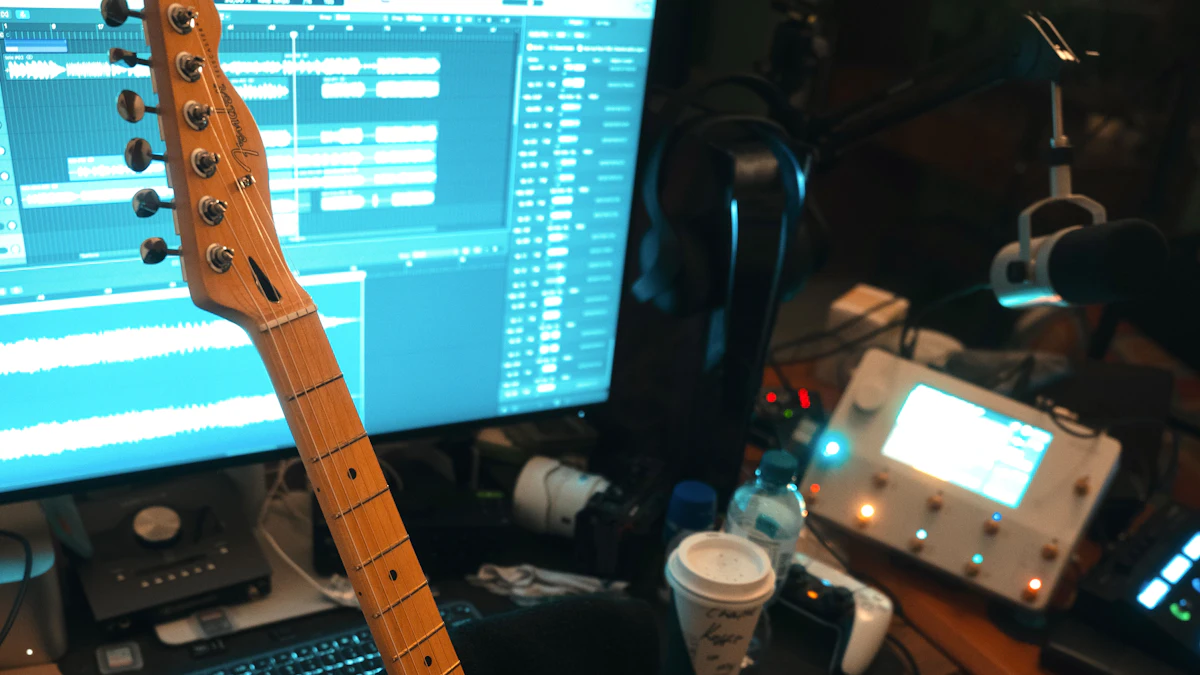
Your DAW is the central hub for all your music production. Almost all modern music production software (DAW) come with powerful built-in sampling capabilities or can host third-party sampler plugins. Popular choices include Ableton Live, FL Studio, Logic Pro, Cubase, and Studio One. Each offers different approaches to audio manipulation, but all can get the job done. If you’re still deciding, check out our guide on choosing the right DAW for your workflow.
Samplers (Software & Hardware)
While your DAW’s native audio tracks can handle basic sample playback, dedicated samplers offer more advanced manipulation. Software samplers (like Native Instruments Kontakt, Ableton’s Simpler/Sampler, or Logic’s Sampler) allow you to load, map, chop, and process samples with incredible flexibility. Hardware samplers (like Akai MPCs or Elektron Digitakt) offer a tactile, hands-on experience that many producers prefer for beat-making and live performance. Understanding MIDI for music production is key to sequencing and triggering samples effectively, whether with software or hardware.
Sample Libraries & Sources
Where do you get your samples?
- Royalty-Free Sample Packs: Many online platforms offer high-quality, pre-cleared downtempo samples and loops designed for various genres. This is the safest legal option for beginners.
- Public Domain Archives: Websites like the Internet Archive offer vast collections of sounds, speeches, and old recordings that are free to use.
- Your Own Recordings: Use a microphone to record your environment, instruments, or even household objects. These “found sounds” can be gold for unique textures.
- Vinyl Records/CDs: Be aware of copyright laws if you’re pulling from commercial releases.
Basic Sampling Techniques for Downtempo
Once you have your tools and samples, it’s time to get creative. Here are some fundamental techniques:
Chopping & Slicing
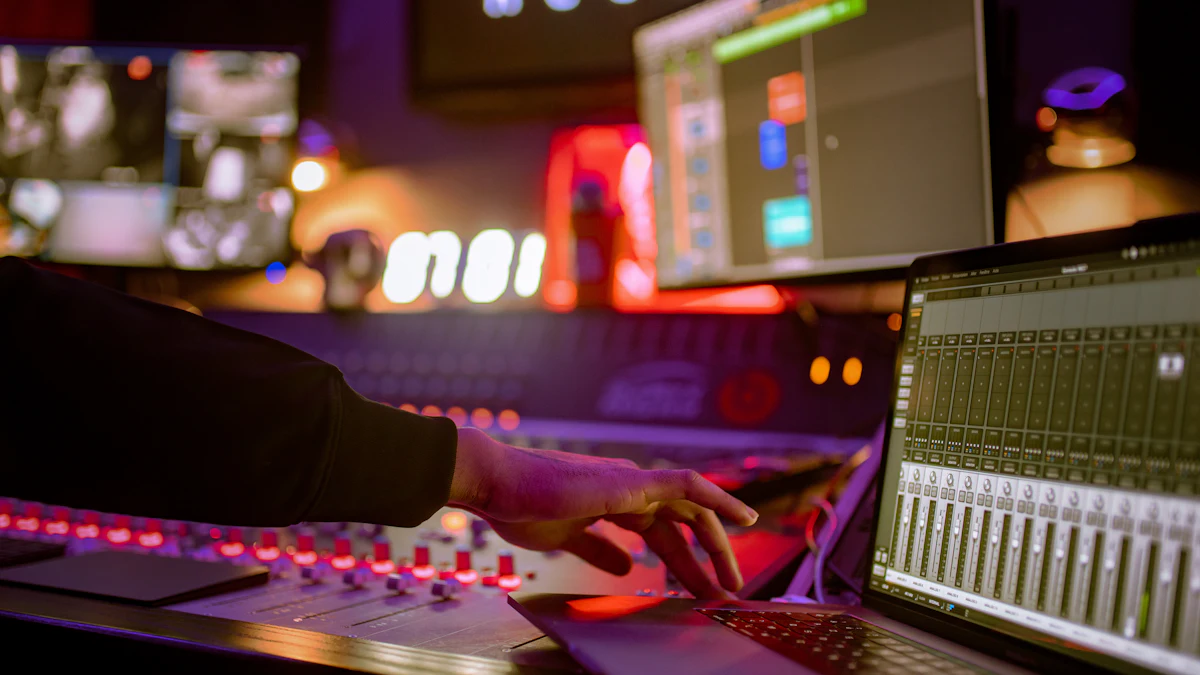
This is arguably the most common technique in downtempo and hip-hop. Take a longer audio file (like a drum break or a melodic loop) and slice it into smaller individual hits or phrases. You can then rearrange these slices to create entirely new rhythms or melodies. Experiment with different slice points to find unexpected grooves.
Looping
Find a short, interesting segment of audio and set it to repeat. Loops can form the backbone of your track (e.g., a drum loop, a bassline loop) or act as subtle background textures. Vary loop lengths and starting points to keep things interesting.
Pitch Shifting & Time Stretching
- Pitch Shifting: Change the pitch of a sample without affecting its tempo. This is great for fitting a sample into the key of your song, creating deeper basslines, or making a sound higher and more ethereal.
- Time Stretching: Change the tempo of a sample without affecting its pitch. Essential for making a sample fit your track’s BPM. Modern DAWs excel at this, often allowing you to warp audio freely.
Filtering & Effects
This is where samples truly come alive.
- EQ (Equalization): Shape the tone of your sample, removing muddy frequencies or highlighting key elements.
- Reverb & Delay: Add space, depth, and atmosphere. Essential for creating dreamy or expansive downtempo soundscapes.
- Saturation & Distortion: Add warmth, grit, or a lo-fi character.
- Chorus/Flanger/Phaser: Introduce movement and width to a sample.
- Bitcrushing: Intentionally degrade the audio quality for a vintage, lo-fi digital sound.
Layering
Combine multiple samples to create richer, more complex sounds. Layering different drum hits can create a unique snare, or combining a synth pad with a field recording can result in an evolving atmospheric texture. Don’t be afraid to mix and match seemingly disparate sounds.
Ethical and Legal Considerations of Sampling
While the creative possibilities of sampling are vast, it’s crucial to be aware of the legal aspects. Most commercial music is copyrighted. Using copyrighted material without permission can lead to legal issues. For beginners, it’s safest to
- Use royalty-free sample packs or services that explicitly grant you permission to use their sounds in your music.
- Explore public domain archives where content is free for commercial use.
- Create your own samples through recording or synthesis.
- If you plan to use a sample from a commercial track, be prepared to clear the sample – a potentially complex and expensive process that involves getting permission from both the master recording owner (usually the record label) and the composition owner (the songwriter/publisher).
Always assume a commercial recording is copyrighted unless stated otherwise. Focus on transforming and re-contextualizing sounds so heavily that they become unrecognizable, or stick to legally cleared sources.
FAQ About Sampling in Downtempo Music
Question: What is sampling and how is it used in downtempo music?
Answer: Sampling is the act of taking a segment of an existing sound recording and incorporating it into a new musical piece. In downtempo music, it’s used to create unique atmospheres, textures, and rhythms. Producers often chop up drum breaks, loop melodic phrases from older records, or integrate field recordings to evoke specific moods and add organic, often nostalgic, qualities to their tracks.
Question: What are the ethical and legal considerations for sampling?
Answer: The primary consideration is copyright. Most published music is copyrighted, meaning you need permission from the copyright holders (typically the record label for the recording and the publisher for the composition) to use their material commercially. Ethically, it’s important to be transformative with your samples, turning them into something new, rather than simply reproducing another’s work. For beginners, using royalty-free sample packs or public domain sounds is the safest legal route.
Question: How can a beginner start incorporating sampling into their downtempo tracks?
Answer: Start by using royalty-free drum breaks and melodic loops found in sample packs or free online libraries. Experiment with basic techniques like chopping a drum break into individual hits and rearranging them, or looping a short melodic phrase and changing its pitch or adding effects like reverb and delay. Your DAW’s built-in sampler or audio editor is all you need to begin manipulating sounds and building your first sampled grooves.
Conclusion
Sampling is a foundational element in downtempo music production, offering an infinite palette for creative expression. It allows you to infuse your tracks with character, depth, and a unique sonic identity that sets them apart. Don’t be afraid to experiment, chop, stretch, layer, and process sounds until they become entirely your own. The journey of discovering and transforming samples is one of the most rewarding aspects of creating downtempo music. Dive in, get curious, and let your creativity flow!
If you’re ready to take the next step in your production journey, learn more about music production and explore guides and resources on our site.


Happy
0 %

Sad
0 %

Excited
0 %

Sleepy
0 %

Angry
0 %

Surprise
0 %
 0
0
 0
0