
 0
0
 0
0
Capturing the World: Field Recording Techniques for Ambient Producers
Ambient music thrives on atmosphere, texture, and immersion. While synthesizers and digital effects form the backbone for many producers, there’s an increasingly popular and powerful tool available to deepen your soundscapes: field recording. Imagine weaving the subtle hum of a distant city, the delicate rustle of leaves, or the evocative clamor of a bustling market into your tracks. Field recording allows you to capture the world’s natural sonic tapestry and infuse your productions with unique, organic character.
As an Amazon Associate, we earn from qualifying purchases made through our links.
What is Field Recording?
Field recording is the practice of capturing sounds outside a studio environment, typically in natural or urban settings. Instead of creating sounds from scratch or relying solely on sample packs, field recording involves actively listening to and documenting real-world audio events. This can range from environmental soundscapes—the overall sonic character of a place—to specific sounds like a bird’s call, the creak of an old door, or the distant rumble of thunder. For ambient producers, these recordings become raw material, rich with texture and context, ready to be manipulated and integrated into musical pieces.
How Can Field Recordings Enhance Ambient Music?
The beauty of ambient music often lies in its ability to transport the listener to another place or evoke a specific feeling. Field recordings are perfect for this.
- Adding Organic Texture: They introduce a sense of “realness” that synthesized sounds often lack, providing a grounding element.
- Creating Unique Soundscapes: Every location has a distinct sonic fingerprint. Capturing these allows you to build truly original soundscapes that no sample library can replicate.
- Emotional Depth: A rain shower, ocean waves, or even specific urban sounds can carry significant emotional weight, adding layers of meaning to your compositions.
- Inspiring Creativity: The act of recording itself can be a source of inspiration, leading to new musical ideas or production techniques.
- Contrast and Dynamics: Integrating real-world sounds can create interesting contrasts with synthesized elements, enhancing the dynamic range and complexity of your tracks.
Essential Equipment for Field Recording
You don’t need an expensive setup to start, but some basic gear will significantly improve your results.
- Portable Audio Recorder: This is the heart of your mobile studio. Modern portable recorders are compact, easy to use, and offer high-quality recording. Many come with built-in stereo microphones. If you’re looking for options, consider exploring a variety of portable audio recorders on Amazon.
- Microphones: While built-in mics are a good starting point, external microphones offer more flexibility and often superior quality.
- Condenser Microphones: Known for their sensitivity and detailed sound capture, ideal for subtle soundscapes. You might want to research various condenser microphones on Amazon.
- Shotgun Microphones: Excellent for isolating specific sounds from a distance, reducing ambient noise.
- Contact Microphones (Piezo): Great for capturing vibrations from surfaces, revealing hidden sonic worlds.
- Stereo Microphones (e.g., ORTF, X/Y): For capturing wider, immersive soundscapes.
If you’re just starting and exploring different mic types, a general search for field recorders or microphones on Amazon could be beneficial.
- Headphones: Essential for monitoring your recordings in real-time to catch unwanted noise or technical issues. For optimal isolation and sound clarity, explore closed-back audiophile headphones.
- Windscreen/Dead Cat: Crucial for outdoor recording to reduce wind noise, which can easily ruin a recording.
- External Power Bank/Batteries: Recording drains batteries quickly, so always have spares or a power bank.
- Tripod/Shock Mount: Helps minimize handling noise and allows for precise microphone placement.
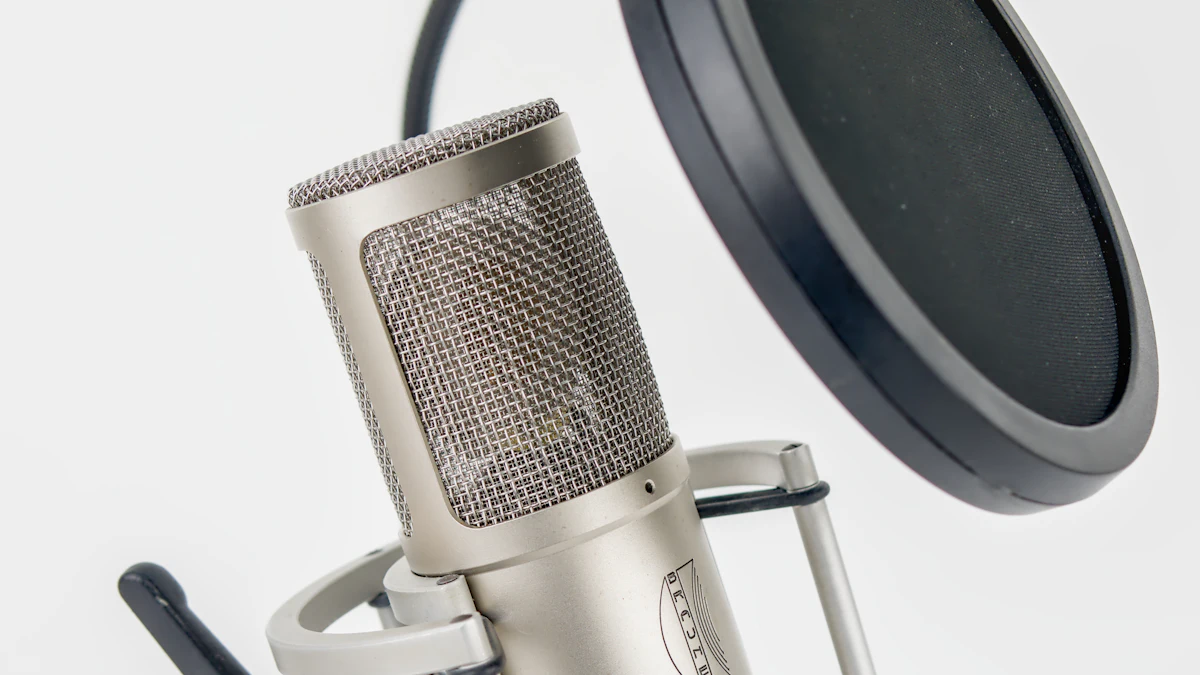
For those interested in optimizing their recording setup at home, understanding how different devices interact can be key. A good audio interface can make a significant difference in sound quality when transferring recordings to your computer. Learn more about choosing the best audio interfaces for beginners.
Common Field Recording Techniques
Identifying Recording Opportunities
The world is full of sounds. Start by simply listening intently to your environment. What sounds stand out? What patterns emerge? Don’t just think “nature,” think “specific sounds in nature” or “specific sounds in an urban setting.”
Choosing Your Location and Time
- Natural Environments: Forests, beaches, rivers, rain, wind, animal sounds. Early morning or late evening often offer more tranquil soundscapes with fewer human interruptions.
- Urban Environments: City streets, public transport, markets, industrial zones, building interiors. Consider peak times for bustling atmospheres or off-peak times for quieter, more isolated sounds.
Microphone Placement and Technique
The way you position your microphone dramatically affects the recording.
- Stereo Spacing: Techniques like A/B (spaced omnis), X/Y (coincident cardioids), or ORTF (near-coincident cardioids) capture different spatial characteristics. Experiment to find what works for your desired soundscape.
- Proximity: Getting closer to a sound source often increases its presence and reduces background noise, but can also limit the perception of space.
- Avoiding Handling Noise: Use a tripod or shock mount whenever possible. If handheld, be mindful of your grip and movement.
Managing Unwanted Noise
- Wind Noise: Always use a good windscreen, especially outdoors.
- Environmental Noise: Be aware of airplanes, distant traffic, conversations, or electrical hums that might interfere. Sometimes these can be embraced, other times avoided.
- Self-Noise: The inherent noise generated by your recorder and microphone. High-quality equipment generally has lower self-noise.
Recording Specific Sounds vs. Ambiences
Decide whether you want to capture a broad soundscape (an ambience) or a distinct, isolated sound (a spot effect). This will influence your microphone choice and placement. For ambiences, a stereo setup is often preferred. For spot effects, a directional microphone might be better.
Organization and Metadata
Always document your recordings. Note the date, time, location, equipment used, a brief description of the sound, and any interesting observations. This metadata is invaluable when you revisit your files later, especially if you build a large library.

Integrating Field Recordings into Your Ambient Productions
Once you’ve collected your sounds, the real fun begins in the studio.
- Layering: Combine multiple field recordings to create dense, evolving textures.
- Processing: Use effects like reverb, delay, granular synthesis, pitch shifting, and filtering to transform raw recordings into otherworldly pads or rhythmic elements. To expand your sonic toolkit, consider powerful music production software including DAWs and plugins.
- Sound Design: Chop, reverse, stretch, and mangle recordings to extract entirely new sounds. These can become percussive elements, unique drones, or textural risers.
- Subtle Blending: Often, the most effective use of field recordings in ambient music is subtle. Blend them into the background, letting them add subliminal atmosphere without dominating the mix.
For inspiration on how to build rich, evolving sounds, check out our guide on crafting ethereal textures with ambient pad synthesis, which can complement your field recording work.
Frequently Asked Questions
What is field recording?
Field recording is the practice of capturing audio outside a controlled studio environment, in natural or urban settings. It involves recording real-world sounds, from environmental soundscapes to specific audio events, which can then be used in various creative projects, including music production.
How can field recordings enhance ambient music?
Field recordings enhance ambient music by adding organic texture, creating unique soundscapes, imbuing tracks with emotional depth, inspiring new musical ideas, and providing dynamic contrast to synthesized elements. They bring a sense of realism and immersion that is difficult to achieve otherwise.
What equipment do I need for field recording?
Basic equipment typically includes a portable audio recorder (often with built-in microphones), a good pair of closed-back headphones for monitoring, and a windscreen for outdoor recording. As you advance, external microphones (like condenser, shotgun, or contact mics), an external power bank, and a tripod or shock mount become valuable additions.
What are common field recording techniques?
Common techniques involve identifying recording opportunities by active listening, carefully choosing locations and times for optimal sound capture, precise microphone placement (e.g., stereo spacing, proximity), managing unwanted noise (wind, environmental sounds), deciding between recording specific sounds or ambiences, and diligently organizing files with metadata.
Conclusion
Field recording opens up an endless wellspring of sonic inspiration for ambient producers. By stepping outside the studio and actively listening to the world around you, you can capture unique, evocative sounds that will infuse your music with unparalleled depth, texture, and character. Embrace the unexpected, experiment with different environments, and let the sounds of the world become a vital part of your creative palette. To further your expertise, explore online music production and sound design courses. Happy recording!


