Exploring Different Speaker Types for Your Home Audio Setup
Read Time:6 Minute, 14 Second
Setting up a home audio system can be an exciting journey, whether you’re a seasoned audiophile or just starting to explore the world of high-quality sound. One of the most critical decisions you’ll make is choosing the right speakers. With so many options available, it’s easy to feel overwhelmed. From compact bookshelf units to towering floorstanders, each type offers unique advantages and is designed for different listening environments and preferences. This guide aims to demystify the various Shop Home Audio Speakers, helping you understand their characteristics and find the perfect sound for your living space.
As an Amazon Associate, we earn from qualifying purchases.
Understanding the Main Speaker Types
Bookshelf Speakers
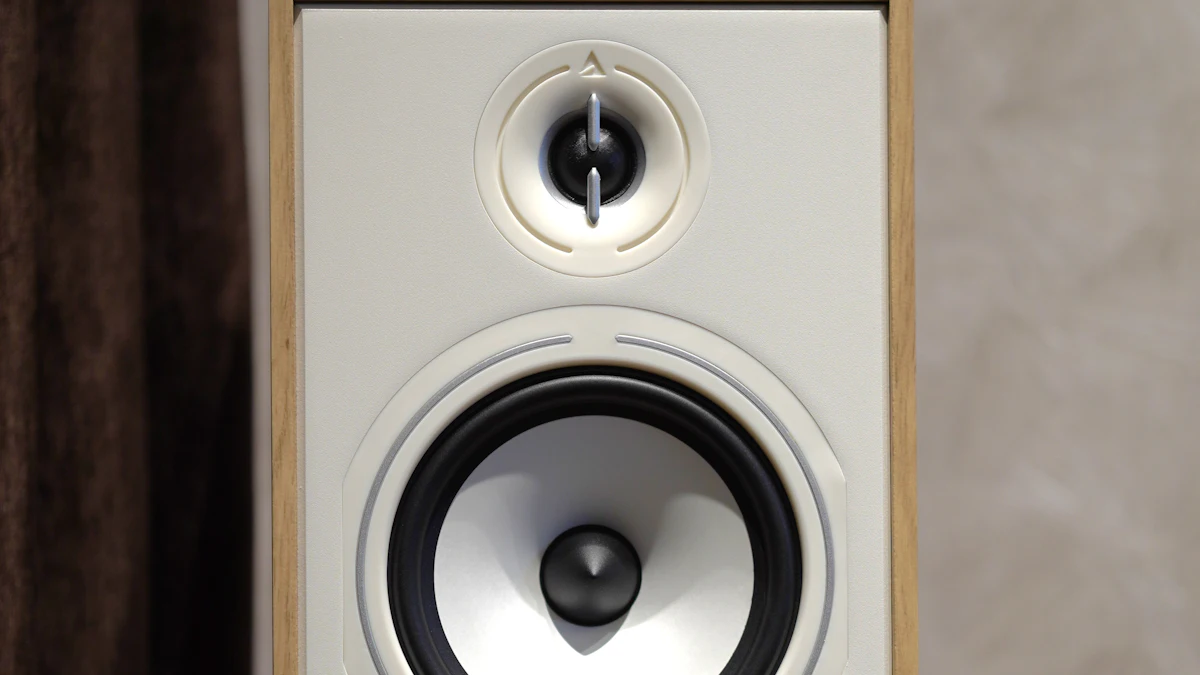
Bookshelf speakers are a popular choice for their versatility and compact size. As their name suggests, they are designed to fit on shelves, stands, or desks, making them ideal for smaller rooms or as part of a multi-channel system where space is a concern. Don’t let their size fool you; many modern bookshelf speakers deliver impressive sound quality, offering clear highs and a surprising amount of bass, especially when paired with a good amplifier.
They are excellent for near-field listening or in smaller living rooms where large speakers might overpower the space. For those with small listening rooms, bookshelf speakers often present the best balance of performance and footprint.
Floorstanding Speakers
Also known as tower speakers, floorstanding speakers are typically the largest and most powerful option for home audio. These speakers stand directly on the floor and usually house multiple drivers (woofers, mid-range, tweeters) to produce a full, rich sound across the entire frequency spectrum. They excel at filling larger rooms with dynamic audio, making them a cornerstone of many serious home stereo and home theater setups.
Floorstanding speakers offer deep, impactful bass without the need for a separate subwoofer, although one can always be added for an even more immersive experience. They are often a significant visual statement in a room, so aesthetics can play a role in your choice.
Soundbars
Soundbars have become incredibly popular as an all-in-one audio solution, especially for enhancing TV sound. They are long, slim enclosures that typically sit below or above your television and contain multiple speakers designed to project sound across a wide area. Many soundbars come with a wireless subwoofer to add crucial bass depth.
They are a convenient, space-saving option that dramatically improves upon built-in TV speakers, often offering virtual surround sound effects. While they may not match the precise imaging or expansive soundstage of a dedicated multi-speaker system, their simplicity and improved audio quality make them an excellent choice for casual listeners and those seeking a minimalist setup.
Home Theater Speaker Systems
For the ultimate immersive experience, a dedicated home theater speaker system is the way to go. These systems typically consist of multiple speakers designed to create a surround sound environment. Common configurations include 5.1 (five main speakers and one subwoofer), 7.1, or even more complex setups with overhead Atmos speakers.
A typical 5.1 system includes:
- Left and Right Front Speakers: Often bookshelf or floorstanding speakers for the main soundstage.
- Center Channel Speaker: Crucial for clear dialogue, usually placed directly above or below the TV.
- Left and Right Surround Speakers: Placed to the sides or rear of the listening position to create ambient effects.
- Subwoofer: Provides deep bass for impactful explosions and low-frequency effects.
These systems offer unparalleled cinematic immersion, making movies, games, and even music come alive with directional audio and powerful bass.
In-Wall and In-Ceiling Speakers
For those who prefer their audio to be heard but not seen, in-wall and in-ceiling speakers offer a discreet solution. These speakers are installed flush with your wall or ceiling, blending seamlessly into your interior design. They are ideal for creating a clean aesthetic, freeing up floor space, and distributing sound evenly throughout a room or multiple rooms.
While installation can be more involved, requiring wiring within walls or ceilings, the result is an unobtrusive audio system that provides excellent sound quality without visible clutter. They are commonly used in custom home theater installations, multi-room audio systems, and even in bathrooms or outdoor spaces with appropriate weather-resistant models.
Factors to Consider When Choosing Your Speakers
Room Size and Acoustics
The size and shape of your listening room, along with its furnishings, significantly impact speaker performance. Larger rooms generally benefit from larger speakers like floorstanders that can move more air and produce ample volume. Smaller rooms might be better suited for bookshelf speakers or soundbars. Hard surfaces can cause echoes, while soft furnishings can absorb sound, so consider your room’s materials. Learning how to best optimize your speaker placement can also make a significant difference.
Intended Use
What will you primarily use your speakers for? If it’s mainly for movies and gaming, a home theater system or a capable soundbar with a subwoofer will deliver the most impactful experience. For critical music listening, high-quality bookshelf or floorstanding speakers might be preferred for their fidelity and stereo imaging. If you simply want improved TV audio with minimal fuss, a soundbar is likely your best bet.
Budget
Speaker prices can range from a few hundred dollars to tens of thousands. Establish a realistic budget early on. Remember that speakers are an investment that can last for many years. It’s often better to buy a good quality pair of speakers that fit your budget now and upgrade other components later if needed. Don’t forget to factor in the cost of Upgrade Your Audio Cables and potentially an amplifier or receiver.
Aesthetics and Integration
Speakers are often a prominent feature in your living space. Consider how they will look and fit into your home decor. Do you prefer a sleek, modern look, or a more traditional design? In-wall/in-ceiling speakers offer ultimate discretion, while floorstanding speakers can become a statement piece. Thinking about creating a home listening space involves balancing sound quality with visual appeal.
Amplification
Most passive speakers (bookshelf, floorstanding, home theater satellites) require an external amplifier or AV receiver to power them. Soundbars often have built-in amplification (they are “active” speakers). Ensure your chosen speakers are compatible with your amplifier or receiver, particularly regarding impedance and power handling.
Frequently Asked Questions
What are the main types of speakers for home use?
The main types include bookshelf speakers, floorstanding speakers (tower speakers), soundbars, and dedicated home theater speaker systems. In-wall and in-ceiling speakers are also popular for discreet installations.
Which speaker type is best for a small room?
For a small room, bookshelf speakers or a soundbar are generally the best choices. They offer excellent sound quality without dominating the physical space. If you want more bass, consider pairing bookshelf speakers with a compact subwoofer.
What factors should I consider when choosing speakers?
Key factors include room size and acoustics, your primary intended use (music, movies, gaming), your budget, how the speakers will integrate with your home’s aesthetics, and your existing or planned amplification (receiver/amplifier).
Finding Your Perfect Sound
Choosing the right speakers is a personal decision that balances your listening preferences, room dynamics, budget, and aesthetic tastes. By understanding the characteristics of different speaker types explained, you’re well on your way to building a home audio setup that brings your music, movies, and games to life. Take your time, listen to different options if possible, and enjoy the journey to finding your perfect sound.


Happy
0 %

Sad
0 %

Excited
0 %

Sleepy
0 %

Angry
0 %

Surprise
0 %
 0
0
 0
0