 0
0
 0
0
Bluetooth speakers have revolutionized how we enjoy audio on the go, making our favorite tunes accessible everywhere from the beach to the backyard. While portability is undoubtedly a key selling point, many listeners are looking beyond just convenience. The real question for discerning ears is: how can you achieve excellent bluetooth speaker sound quality?
Understanding what truly drives audio performance in these wireless devices can transform your listening experience. It’s not just about how loud a speaker can get, but about the clarity, depth, and richness of the sound it produces. From the intricate components inside to the way sound waves travel through the air, numerous factors contribute to the overall acoustic fidelity. If you’re considering new audio gear, understanding these elements is crucial for making an informed choice. You might also find our guide on how to choose the right home audio components helpful for a broader understanding of audio systems.
As an Amazon Associate, we earn from qualifying purchases.
The Foundation of Good Sound: Drivers and Acoustic Design
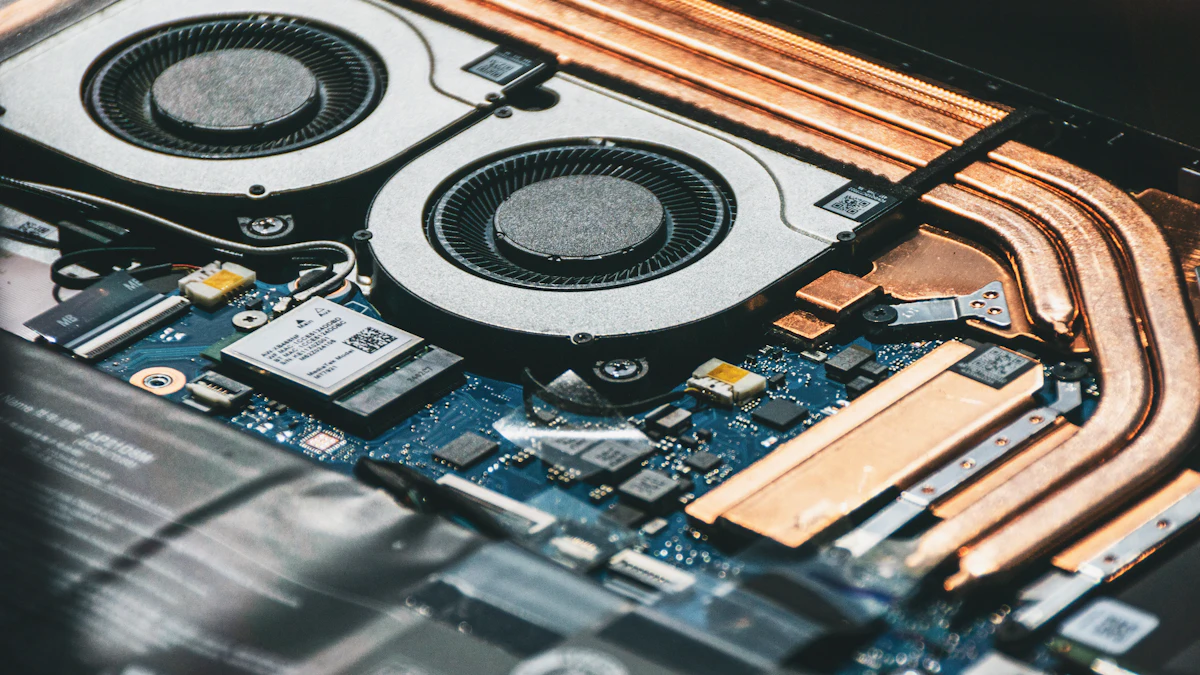
At the core of any speaker’s performance are its physical components and how they’re housed. These fundamental aspects largely dictate the raw potential for bluetooth speaker sound quality.
Speaker Drivers: The Heart of the Sound
Speaker drivers are the transducers that convert electrical signals into audible sound waves. In a Bluetooth speaker, you’ll typically find one or more of these crucial components:
- Woofers: Larger drivers designed to reproduce low-frequency sounds (bass). A good woofer can provide a deep, resonant bass response without distortion.
- Tweeters: Smaller drivers optimized for high-frequency sounds (treble). They ensure crisp, clear highs that add detail and sparkle to music.
- Full-Range Drivers: Some compact speakers use a single driver to attempt to cover the entire frequency spectrum. While convenient, they often compromise on extreme highs and lows compared to multi-driver setups.
- Passive Radiators: These are cone-like structures without a voice coil or magnet, used to enhance bass response by resonating with the air pressure inside the enclosure created by an active driver. They can significantly improve a portable speaker’s low-end performance.
The size and quality of these speaker drivers, along with their quantity, directly impact the speaker’s ability to reproduce a wide range of frequencies accurately.
Acoustic Design and Enclosure
The enclosure isn’t just a protective shell; it’s a critical part of the speaker’s acoustic system. Its design influences how sound waves are projected and contained. Key elements include:
- Material: The material used for the enclosure can affect resonance and unwanted vibrations. Sturdy, non-resonant materials help maintain sound clarity.
- Porting/Vents: Many speakers include ports (bass reflex ports) to help extend bass response by allowing air to move in and out of the enclosure. Properly tuned ports can make a small speaker sound much larger.
- Internal Bracing: Reduces cabinet vibrations, preventing them from muddying the sound.
- Driver Placement: The strategic positioning of drivers within the enclosure affects sound dispersion and stereo imaging.
Wireless Transmission: Codecs and Connectivity

Even with excellent hardware, the way audio data is transmitted wirelessly plays a vital role in preserving sound fidelity. This is where wireless speaker technology comes into play.
Understanding Bluetooth Audio Codecs
When audio is sent via Bluetooth, it’s compressed using a codec. The quality of this compression can significantly impact the final sound. Both your source device (phone, tablet) and your Bluetooth speaker need to support the same codec to use its benefits.
- SBC (Subband Coding): The default and most universal Bluetooth codec. It offers basic quality, sufficient for casual listening but can introduce noticeable compression artifacts.
- AAC (Advanced Audio Coding): Often preferred by Apple devices, AAC generally provides better sound quality than SBC, especially for music streamed from services that use AAC encoding (like Apple Music).
- aptX (and variants like aptX HD, aptX Adaptive): Developed by Qualcomm, aptX offers near CD-quality audio with lower latency. aptX HD further improves quality by supporting higher bitrates, while aptX Adaptive balances quality and latency based on content and environment.
- LDAC: Developed by Sony, LDAC can transmit even higher resolution audio data, up to 990 kbps, which is close to “Hi-Res Audio.” To fully utilize such advanced codecs, consider exploring hi-res music streaming services. This offers the best potential audio codecs for sound quality but requires both devices to support it.
For the best sound, aim for a speaker and source device that support higher-quality codecs like aptX HD or LDAC.
Bluetooth Version and Range
While the Bluetooth version itself doesn’t directly dictate sound quality (that’s the codec’s job), newer versions often bring improvements in stability, range, and power efficiency. Bluetooth 5.0 and newer versions offer more robust connections, which can prevent dropouts and maintain a consistent audio stream, indirectly contributing to a better listening experience.
Beyond the Basics: Frequency Response and Power
These specifications provide a quantifiable measure of a speaker’s capabilities and are crucial for understanding portable speaker features.
Frequency Response: Hearing the Full Spectrum
Frequency response refers to the range of audio frequencies a speaker can reproduce, measured in Hertz (Hz). A wider frequency response (e.g., 20 Hz to 20,000 Hz) indicates the speaker can reproduce both deep bass (low Hz) and crisp treble (high Hz). For a more in-depth look at this topic, explore the science of sound frequency response.
- Bass Response: A good speaker will reproduce low frequencies with impact and definition, rather than just a muddy rumble. Look for speakers with a lower number in the bass frequency range (e.g., down to 50 Hz or lower for a truly deep bass). This is especially important for strong bass response.
- Mid-Range: Crucial for vocals and many instruments, the mid-range should sound natural and clear.
- Treble: High frequencies add detail and clarity. They should be clear and extended without sounding harsh or piercing.
Power Output and Volume
Power output, often measured in Watts (W), indicates how much power the amplifier inside the speaker can deliver to its drivers. While higher wattage generally means a speaker can play louder without distortion, it’s not the sole indicator of sound quality. A well-engineered lower-wattage speaker can sound better than a poorly designed higher-wattage one. However, for outdoor use or larger spaces, adequate power ensures the sound remains clear and impactful even at higher volumes.
Practical Considerations for Sound Quality
Even the best speaker can fall short if not used correctly. A few simple adjustments can significantly enhance your experience.
Placement Matters
The physical placement of your Bluetooth speaker can dramatically affect its sound. Positioning it near a wall or in a corner can often boost bass response, though too close might make it sound boomy or muddy. Placing it at ear level and allowing some space around it generally yields the most balanced sound. Experiment with different locations to find the sweet spot for your environment. To further optimize your listening space, consider how you might improve your listening room acoustics.
Multi-Speaker Pairing and Stereo Sound
Many modern Bluetooth speakers offer the ability to pair two identical speakers for true stereo sound or link multiple speakers for a larger soundstage. Stereo pairing creates a more immersive and detailed listening experience, separating instruments and vocals into distinct left and right channels, similar to a traditional home audio setup. For seamless ambient listening across multiple rooms, you might want to consider setting up a multi-room audio system.
When shopping for a new speaker, consider exploring a wide range of options. To find models optimized for sound quality, shop Bluetooth speakers for ambient music. You can also find a variety of portable Bluetooth speakers on Amazon to compare features and designs.
Frequently Asked Questions About Bluetooth Speaker Sound Quality
What factors contribute most to Bluetooth speaker sound quality?
The most significant factors contributing to bluetooth speaker sound quality include the quality and size of its drivers (woofers, tweeters, passive radiators), the acoustic design of its enclosure, and the Bluetooth audio codec used for wireless transmission (e.g., aptX, LDAC). Additionally, the frequency response range, power output, and even the speaker’s placement can play a role.
Are all Bluetooth codecs the same for audio?
No, audio codecs are not all the same. While SBC is the universal baseline, codecs like AAC, aptX (including HD and Adaptive variants), and LDAC offer progressively better sound quality by using more efficient compression algorithms and supporting higher bitrates, thus preserving more audio detail. Both your source device and speaker must support the same advanced codec to benefit from it.
How important are speaker drivers in a portable speaker?
Speaker drivers are extremely important; they are the fundamental components that physically produce sound. High-quality and appropriately sized drivers (woofers for bass, tweeters for treble) are essential for reproducing a wide frequency range accurately, delivering clear vocals, crisp highs, and deep, defined bass. The inclusion of passive radiators can also significantly enhance bass performance in compact designs.
Can a small Bluetooth speaker deliver good bass?
Yes, a small Bluetooth speaker can deliver surprisingly good bass response, thanks to advancements in acoustic design and technology. Features like passive radiators, tuned ports, and sophisticated digital signal processing (DSP) can enhance low-frequency output and create the impression of deeper bass from a compact enclosure. While it won’t match the raw power of a large subwoofer, many small speakers offer very satisfying bass for their size.
Choosing a Bluetooth speaker means balancing portability with performance. By understanding the key elements that contribute to sound quality—from the physical drivers and acoustic design to the wireless codecs and your personal listening environment—you can select a device that doesn’t just play music, but truly brings it to life. Happy listening!


