 0
0
 0
0
Welcome to the exciting world of home audio! If you’ve ever wanted to elevate your music listening experience beyond headphones or basic smart speakers, setting up your first dedicated home audio system is a rewarding journey. It might seem a bit daunting at first with all the talk of amplifiers, speakers, and cables, but it’s simpler than you think. This guide is designed for beginners, breaking down the process into easy, actionable steps to help you achieve great sound in your home.
Note: As an Amazon Associate, we earn from qualifying purchases.
What Are the Essential Components of a Home Audio System?
At its core, a basic home audio system, often referred to as a stereo system setup, consists of a few key components working together to produce sound. Understanding these building blocks is the first step in your home audio system setup journey:
- Source Component: This is where your music comes from. It could be a turntable for vinyl, a CD player, a network streamer for digital files, or even your smartphone/computer connected via Bluetooth or a cable.
- Amplifier/Receiver: This is the “brain” and “muscle” of your system. An amplifier takes the weak audio signal from your source and boosts it to a level powerful enough to drive your speakers. A receiver often combines an amplifier with a radio tuner and multiple inputs for various sources. For an audiophile for beginners, an integrated amplifier (which combines a pre-amplifier and power amplifier into one unit) is a popular and straightforward choice.
- Speakers: These are what convert the electrical signal from the amplifier into audible sound waves. Shop Home Audio Speakers. Speakers come in various types (bookshelf, floor-standing, soundbars), and their choice significantly impacts your listening experience.
- Cables: Don’t underestimate the importance of Upgrade Your Audio Cables! You’ll need interconnects to connect your source to your amplifier and speaker wire to connect your amplifier to your speakers.
Choosing Your First Components
When starting, it’s best to keep it simple. Focus on quality within your budget rather than chasing the most expensive gear. Think about where you’ll be placing your system and what kind of music you listen to most. For a small room, a pair of quality bookshelf speakers and an integrated amplifier might be perfect. For larger spaces, you might consider floor-standing speakers.
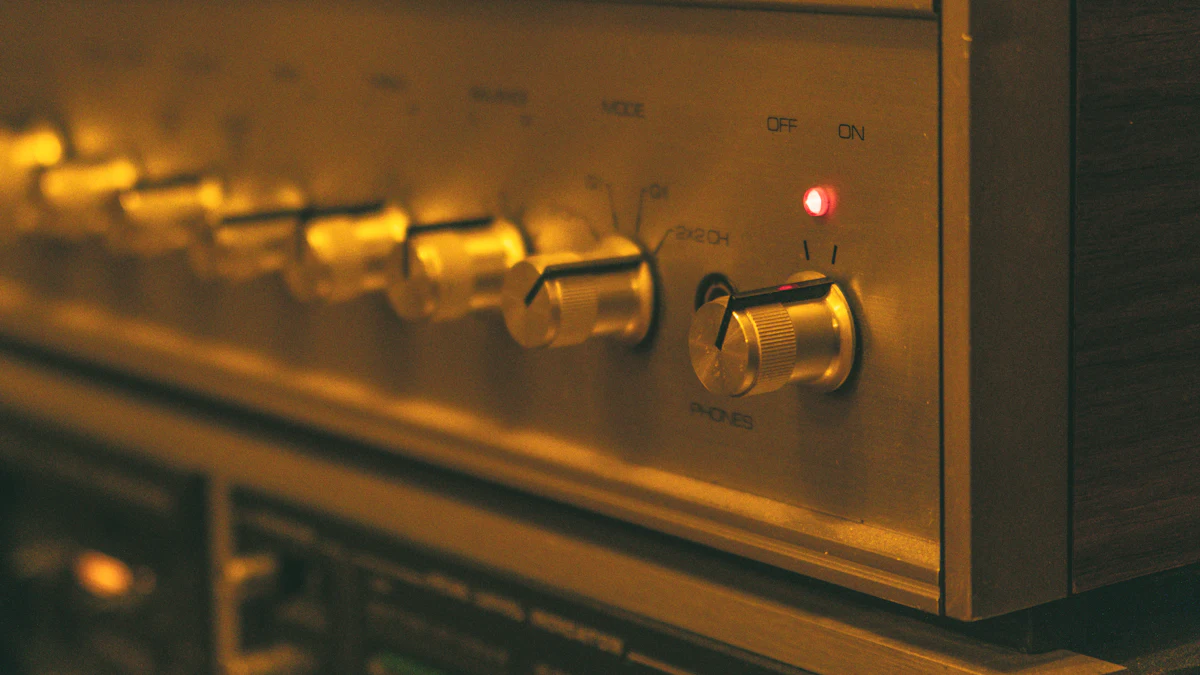
Many beginners start with a stereo receiver, which offers a built-in amplifier, tuner, and multiple inputs, making it a versatile hub for your audio and even video needs if you’re looking to connect a TV. Don’t worry too much about becoming an audiophile for beginners overnight; focus on what sounds good to *you*.
How Do I Connect My Amplifier and Speakers Correctly?
This is often the part that gives beginners pause, but it’s quite logical. Proper connecting speakers and amplifier setup is crucial for safety and sound quality.
1. Connecting Your Source to the Amplifier
Most source components (like a CD player or a network streamer) connect to your amplifier using RCA interconnect cables. These typically have red and white (or black) plugs on each end. Match the colors on the source component’s “output” jacks to the corresponding “input” jacks on your amplifier (e.g., “CD In,” “Aux In,” “Streamer In”).
If you’re using a turntable, it often requires a “phono input” on your amplifier, which includes a special pre-amplifier to boost the very low signal from the cartridge. Some turntables have a built-in phono pre-amp and can connect to a standard “Aux In.”
2. Connecting Your Speakers to the Amplifier
This is where speaker wire comes in. Speaker wire has two conductors, usually marked to help you identify positive (+) and negative (-). It’s vital to maintain polarity, meaning positive on the amplifier connects to positive on the speaker, and negative on the amplifier connects to negative on the speaker.
- Prepare the wire: Strip about 1/2 inch of insulation from both ends of your speaker wire to expose the bare copper strands. Twist the strands tightly together to prevent stray wires.
- Connect to the amplifier: Locate the speaker terminals on the back of your amplifier. These are usually binding posts that you can unscrew, insert the wire, and then screw tight. Ensure the positive terminal on the amplifier connects to the positive side of your speaker wire, and the negative to the negative side.
- Connect to the speakers: Do the same for your speakers, ensuring you match the polarity from the amplifier to the speakers (Amp + to Speaker +, Amp – to Speaker -).
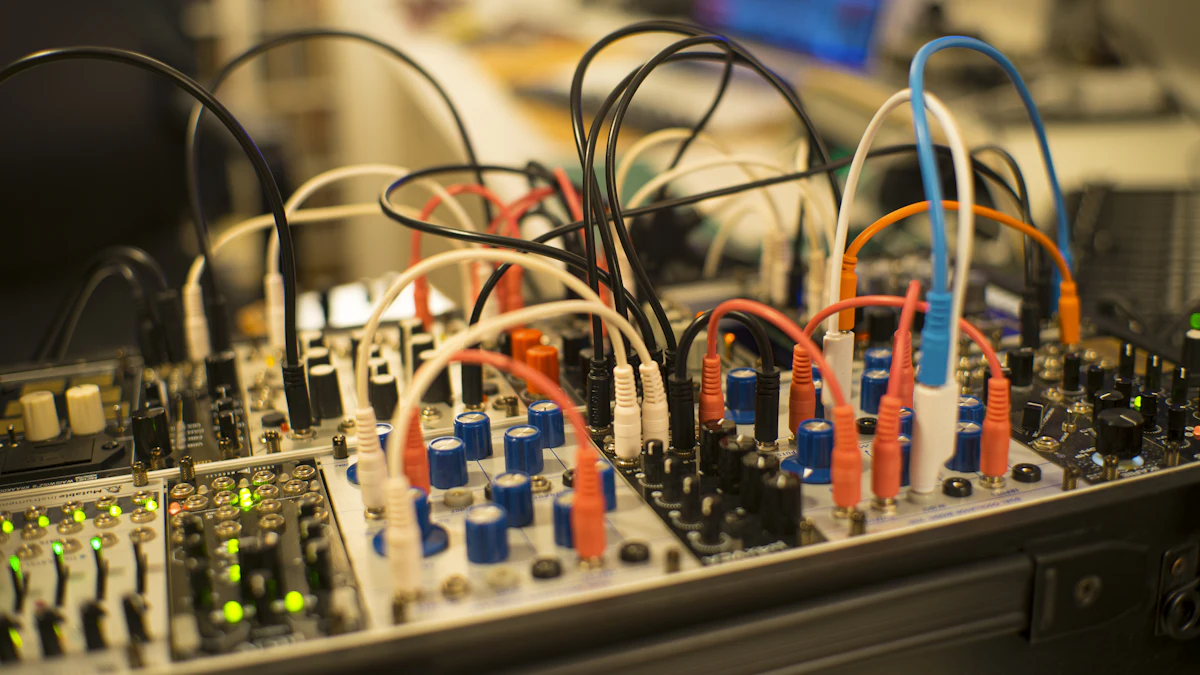
For more detailed information on selecting and connecting different types of wires, check out our guide on Understanding Audio Cables for Home Audio.
Important Safety Tip: Always make sure your amplifier is turned OFF and unplugged from the wall before connecting or disconnecting any speakers or cables.
What’s the Best Way to Place Speakers in a Room?
Speaker placement is surprisingly critical to how your system will sound. Even the best speakers can sound poor if not positioned correctly. The goal is to create a “sweet spot” where the soundstage is clear and balanced.
- Form an Equilateral Triangle: A common starting point is to place your two stereo speakers and your primary listening position (where you’ll be sitting) to form an equilateral triangle. This means the distance between the two speakers should be roughly the same as the distance from each speaker to your listening spot.
- Distance from Walls: Try to pull your speakers a foot or two away from the back wall and side walls. This helps prevent bass frequencies from sounding boomy or muddy. Experiment with different distances, as every room is different.
- Toe-In: Speakers often benefit from being “toed-in,” meaning they are angled slightly inward towards the listening position rather than pointing straight ahead. Start with them pointing directly at your head and then adjust them outward slightly until you find the best balance of soundstage width and central image focus.
- Height: The tweeters (the small drivers that produce high frequencies) of your speakers should ideally be at ear level when you are seated in your listening position. Use stands for bookshelf speakers if necessary.
- Room Acoustics: Hard surfaces (bare walls, glass, tile floors) can cause reflections that degrade sound quality, while soft surfaces (curtains, carpets, upholstered furniture) can absorb sound. A balanced room with a mix of both is ideal. For deeper sound optimization, consider ways to Improve Your Listening Room.
Remember, these are starting guidelines. Your ears are the ultimate judge. Don’t be afraid to experiment! For a deeper dive into optimizing your sound, read our full guide on Optimizing Your Speaker Placement.
First Listen and Fine-Tuning
Once everything is connected, double-check all your connections, turn your amplifier volume down, and then power on your source and amplifier. Select the correct input on your amplifier for your source component. Start playing some familiar music that you know well, and slowly increase the volume.
Listen for clarity, balance, and any distortion. If something doesn’t sound right, immediately turn down the volume and re-check your connections.
Now comes the fun part: fine-tuning! Adjust speaker placement slightly, try moving your listening chair, or experiment with your amplifier’s tone controls (bass and treble, if available). Your goal is to create a spacious, engaging, and clear sound that fills your creating a home listening space.
Setting up your first home audio system is a journey, not a destination. With this beginner’s guide, you have all the basic knowledge to get started and enjoy vastly improved sound quality for your music. Happy listening!


