The Ultimate Guide to Choosing the Right Speaker Cables
Read Time:6 Minute, 53 Second
Welcome to the ultimate guide on choosing the right speaker cables for your home audio system. If you’re a home audio enthusiast looking to upgrade your setup or simply setting up your speakers for the first time, you know that every component plays a role in the final sound quality. You can also shop home audio speakers to enhance your system. While often overlooked, the humble speaker cable is a critical link in your audio chain, directly impacting the clarity, depth, and overall enjoyment of your music.
We may earn a commission from purchases made through the Amazon links on this page.
Far from being just simple wires, the right speaker cables can unlock the full potential of your loudspeakers, ensuring the delicate audio signal from your amplifier reaches them with minimal loss or interference. In this guide, we’ll demystify the world of audio cables, covering everything from wire gauge and conductor materials to termination types like banana plugs, helping you make an informed decision for your unique setup.
Why Speaker Cables Matter More Than You Think
It’s a common misconception that all speaker wire is created equal. While it’s true that even basic wiring will transmit sound, the quality of your speaker cables can significantly influence the performance of your entire hifi system. Speaker cables are tasked with carrying a fluctuating electrical signal that represents your music, and any degradation or interference in this transmission can color the sound, reduce detail, or even introduce audible noise.
Think of your audio system as a finely tuned machine; the speakers are the voice, the amplifier is the muscle, and the speaker cables are the arteries. Just as healthy arteries are crucial for a healthy body, high-quality speaker cables are essential for a healthy audio signal, preserving the subtle nuances and dynamic range of your recordings. Investing in appropriate audio connectivity ensures that the effort put into designing your speakers and amplifier isn’t wasted at the final hurdle.
Key Factors to Consider When Choosing Speaker Cables
Selecting the ideal speaker cables involves understanding several technical aspects. Let’s break down the most important considerations.
Gauge (Wire Thickness): The Foundation of Good Sound
The “gauge” of a speaker cable refers to its thickness, measured by the American Wire Gauge (AWG) system. Counterintuitively, a *lower* AWG number indicates a *thicker* wire. A thicker wire has less electrical resistance, meaning it can carry the audio signal with less loss over a given distance.
The optimal gauge depends primarily on two factors: the length of your cable run and the impedance of your speakers (typically 4, 6, or 8 ohms). Longer runs and lower speaker impedances require thicker cables (lower AWG) to prevent signal loss and maintain damping factor. For most home audio setups with typical 8-ohm speakers and runs under 25 feet, 16-gauge wire is often sufficient. For longer runs or 4-ohm speakers, 14-gauge or even 12-gauge is recommended.
Conductor Material: Copper, Silver, and Beyond
The material used for the cable conductors plays a crucial role. Copper is the most common and cost-effective choice, with Oxygen-Free Copper (OFC) being a popular option for its purity, which minimizes signal degradation. Silver-plated copper is another option, often praised for potentially enhancing high-frequency detail. Pure silver cables, while expensive, are considered by some audiophiles to offer the clearest signal transmission due due to silver’s superior conductivity.
While debates exist about the audible differences between various conductor materials, a good quality copper cable will provide excellent performance for the vast majority of listeners.
Cable Construction and Insulation
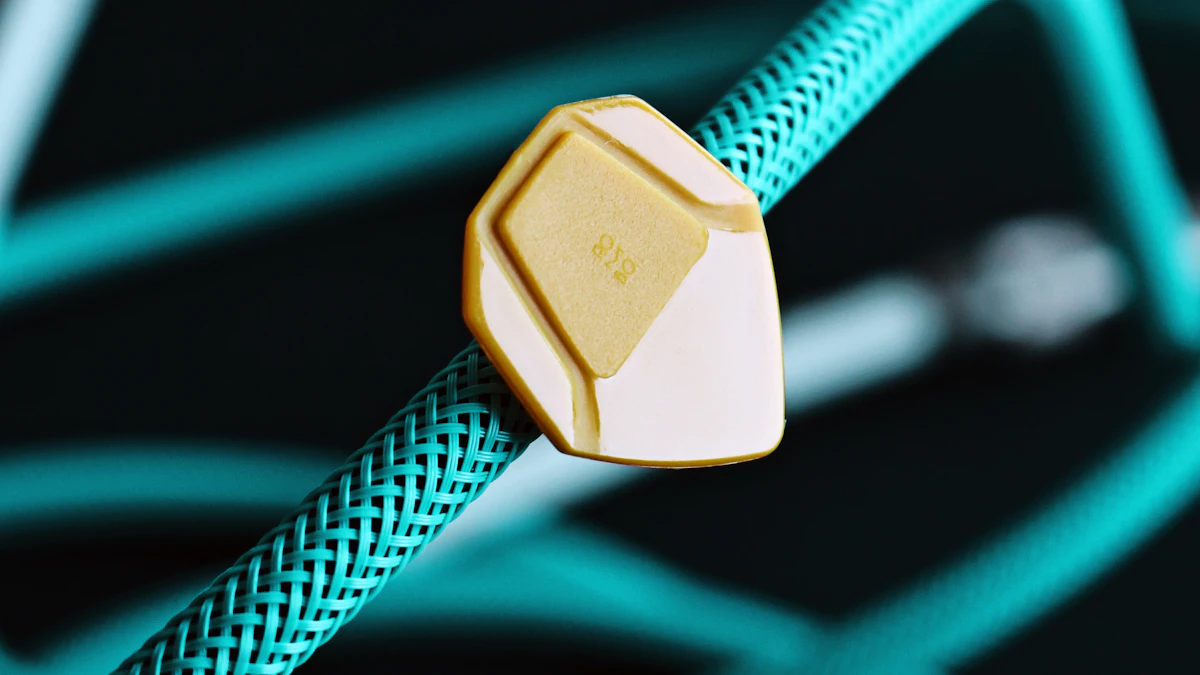
Beyond the conductor material, how the wires are arranged and insulated also matters. Common constructions include twisted pairs, which help reject electromagnetic interference (EMI), and braided designs. The insulation (dielectric) material, such as PVC, polyethylene, or Teflon, affects the cable’s electrical properties and can influence capacitance and inductance, though these effects are often subtle.
For most home audio enthusiasts, focusing on appropriate gauge and conductor quality is more impactful than delving deeply into exotic construction techniques, especially when working within a budget.
Termination: Banana Plugs, Spades, or Bare Wire?
How your speaker cables connect to your amplifier and speakers is called termination. The most common options are:
- Bare Wire: Simple, but prone to fraying, oxidation, and accidental shorting if strands touch.
- Banana Plugs: Convenient, secure, and create a good contact area. They plug into binding posts that accept them and are highly recommended for ease of use and reliability.
- Spade Connectors: Offer a large contact area and a very secure connection when tightened down on binding posts.
Using quality terminations like banana plugs or spades provides a more secure and reliable connection than bare wire, reducing oxidation and ensuring consistent contact. For detailed instructions on connecting your system, check out our guide on connecting your speakers to a receiver.
Length Considerations
Aim for the shortest practical cable lengths, but avoid extreme shortness that puts strain on connections. More importantly, try to keep the length of the left and right speaker cables identical to maintain a balanced stereo image. Differences in length, especially significant ones, can introduce slight timing or impedance discrepancies that may affect soundstage and imaging.
Setting Up Your Speaker Cables for Optimal Performance
Once you’ve chosen your cables, proper setup is key. Route your speaker cables away from power cords and other sources of electrical interference to minimize hum or noise. Avoid coiling excess cable tightly, as this can increase inductance and potentially degrade sound quality. If you have extra length, loosely snake it rather than forming tight loops.
Proper cable management is also part of creating an optimized listening environment. For more tips on enhancing your sound, explore our advice on optimizing room acoustics on a budget. You can also improve your listening room with dedicated acoustic treatments.
Do Speaker Cables Really Make a Difference?
This is perhaps the most debated question in home audio. While the differences may not be as dramatic as upgrading speakers or an amplifier, well-chosen speaker cables absolutely contribute to the overall fidelity of your system. They act as a conduit, and a good conduit ensures the signal arrives at your speakers as pristine as possible. For those with discerning ears and quality equipment, the improvements in clarity, bass definition, and treble extension can be noticeable and worthwhile.
Frequently Asked Questions (FAQ)
Do speaker cables really make a difference?
Yes, speaker cables do make a difference. While the impact might be subtle compared to major components like speakers or amplifiers, quality cables ensure that the audio signal is transmitted efficiently and accurately, preserving the detail and dynamics of the sound. Poor quality or improperly chosen cables can introduce signal loss or interference.
What gauge speaker wire should I use?
The ideal speaker wire gauge depends on the cable length and your speaker’s impedance. For most typical home setups with 8-ohm speakers and runs under 25 feet, 16-gauge wire is usually sufficient. For longer runs (25-50 feet) or 4-ohm speakers, 14-gauge is recommended. For very long runs (over 50 feet) or demanding 4-ohm speakers, 12-gauge or even 10-gauge might be appropriate.
How do I choose the best speaker cable for my setup?
To choose the best speaker cable, consider: 1) Gauge: Match it to your cable length and speaker impedance (thicker for longer runs/lower impedance). 2) Conductor Material: Oxygen-Free Copper (OFC) is an excellent standard. 3) Termination: Decide between bare wire, banana plugs, or spade connectors for secure connections. 4) Length: Keep left and right cables identical in length. Prioritize a balance of quality and budget that suits your specific audio system.
Choosing the right speaker cables might seem like a small detail, but it’s a vital part of achieving the best possible sound from your home audio system. By understanding gauge, material, and termination, you can ensure your speakers receive a clean, undiminished signal, allowing them to perform at their peak. Enjoy the richer, more detailed sound that awaits! Ready to upgrade your audio cables?
Ready to upgrade your system’s audio connectivity? Find a wide selection of speaker cables and accessories on Amazon.
For those looking to expand their sound beyond a single room, consider diving into our guide to multi-room audio systems for more advanced setups.


Happy
0 %

Sad
0 %

Excited
0 %

Sleepy
0 %

Angry
0 %

Surprise
0 %
 0
0
 0
0