Preserving Your Collection: How to Properly Clean and Store Vinyl Records
Read Time:5 Minute, 45 Second
The Essential Guide to Preserving Your Vinyl Collection
There’s an undeniable magic to vinyl records. The warm sound, the tactile experience, the beautiful artwork – it all contributes to a truly unique listening journey. But to keep that magic alive for decades to come, proper care is paramount. Dust, grime, and improper storage can quickly degrade both the sound quality and the physical integrity of your cherished albums. This guide will walk you through the best practices for cleaning and storing your vinyl records, ensuring they sound fantastic and look great for years to come.
As an Amazon Associate, I earn from qualifying purchases.
Why Proper Vinyl Care Matters
Just like any other valuable collection, your vinyl records require attention and maintenance. Neglecting their care can lead to:
- Degraded Sound Quality: Dust and dirt in the grooves cause pops, crackles, and a dull overall sound.
- Record Wear: Abrasive particles act like sandpaper, slowly eroding the delicate grooves during playback.
- Stylus Damage: A dirty record can transfer grime to your turntable’s stylus, potentially shortening its lifespan and affecting playback on all your records.
- Physical Damage: Improper storage can lead to warping, scuffs, and scratches that permanently affect playability.
By investing a little time in the art of vinyl collecting, you’re not just maintaining a hobby; you’re preserving a piece of musical history.
How to Properly Clean Your Vinyl Records
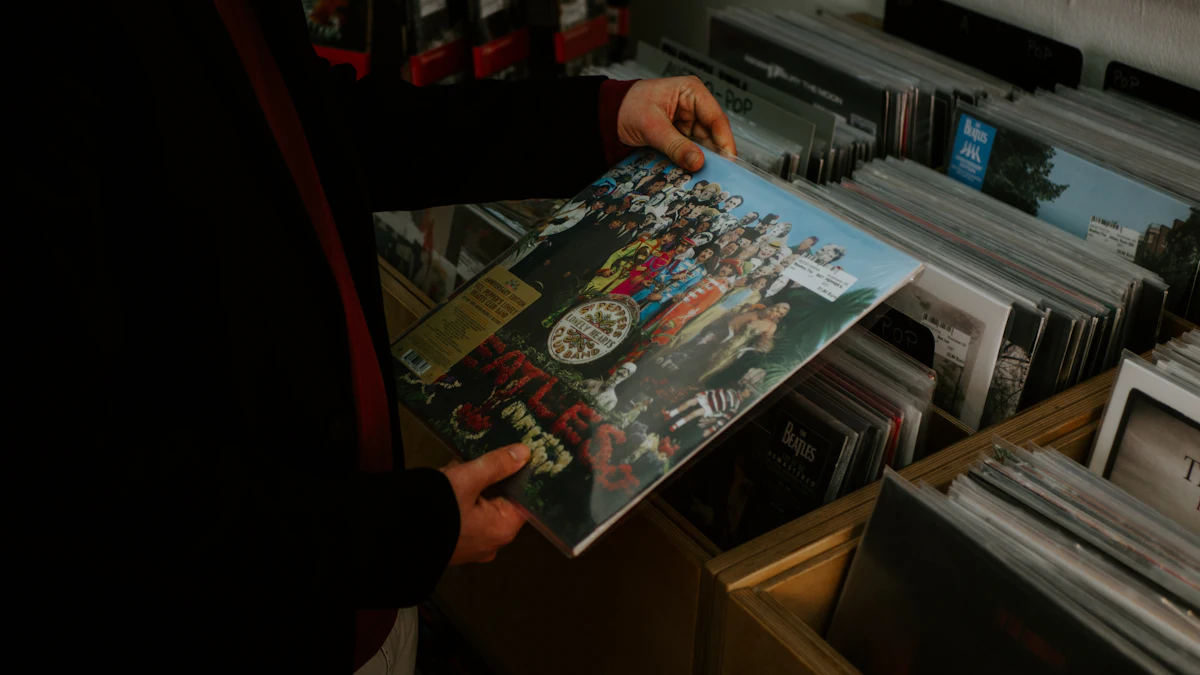
Regular cleaning is the cornerstone of vinyl preservation. It’s not just about aesthetics; it’s about optimizing sound and preventing wear.
Essential Cleaning Tools
Before you begin, gather your arsenal of cleaning tools:
- Anti-Static Record Brush: Used for daily dust removal. These brushes have fine carbon fiber bristles designed to reach into grooves and neutralize static. You can find a good record brush on Amazon.
- Record Cleaning Solution: Avoid harsh chemicals like window cleaner. Opt for specially formulated solutions or a mix of distilled water and a tiny drop of pure isopropyl alcohol (check your record manufacturer’s recommendation first).
- Microfiber Cloths: Dedicated, lint-free microfiber cloths are crucial for applying solution and drying. Use different cloths for wet application and dry wiping.
- Record Cleaning Machine (Optional): For serious collectors, manual or automatic record cleaning machines offer a more thorough and consistent clean. Consider exploring various vinyl cleaning kits if you’re looking for a comprehensive solution.
To fully equip yourself for proper record care, including cleaning and storage, shop essential vinyl accessories.
Step-by-Step Cleaning Process
Here’s a general guide for cleaning your records:
- Dry Brush First: Place the record on your turntable (turned off!) or a flat, clean surface. Gently hold your anti-static brush perpendicular to the grooves and slowly rotate the record (or move the brush across a stationary record) to sweep away loose dust and debris. Always brush in the direction of the grooves.
- Apply Cleaning Solution: For a deeper clean, lightly mist or apply a few drops of your record cleaning solution directly to one side of the record. Don’t over-saturate.
- Gentle Wipe: Using a dedicated, clean microfiber cloth, gently wipe the solution across the record surface, following the grooves. Apply even, light pressure.
- Dry Thoroughly: With a separate, dry, clean microfiber cloth, gently wipe away any remaining solution until the record is completely dry. Ensure no moisture is left behind.
- Repeat for the Other Side: Flip the record and repeat the process for the second side.
- Handle with Care: Always hold records by the edges or the label to avoid transferring oils and dirt from your fingers.
Remember that a clean record also contributes to the longevity of your turntable's components. If you’re encountering playback issues, sometimes a good clean helps, but it’s also worth investigating common turntable problems and how to fix them.
Proper Storage for Vinyl Longevity
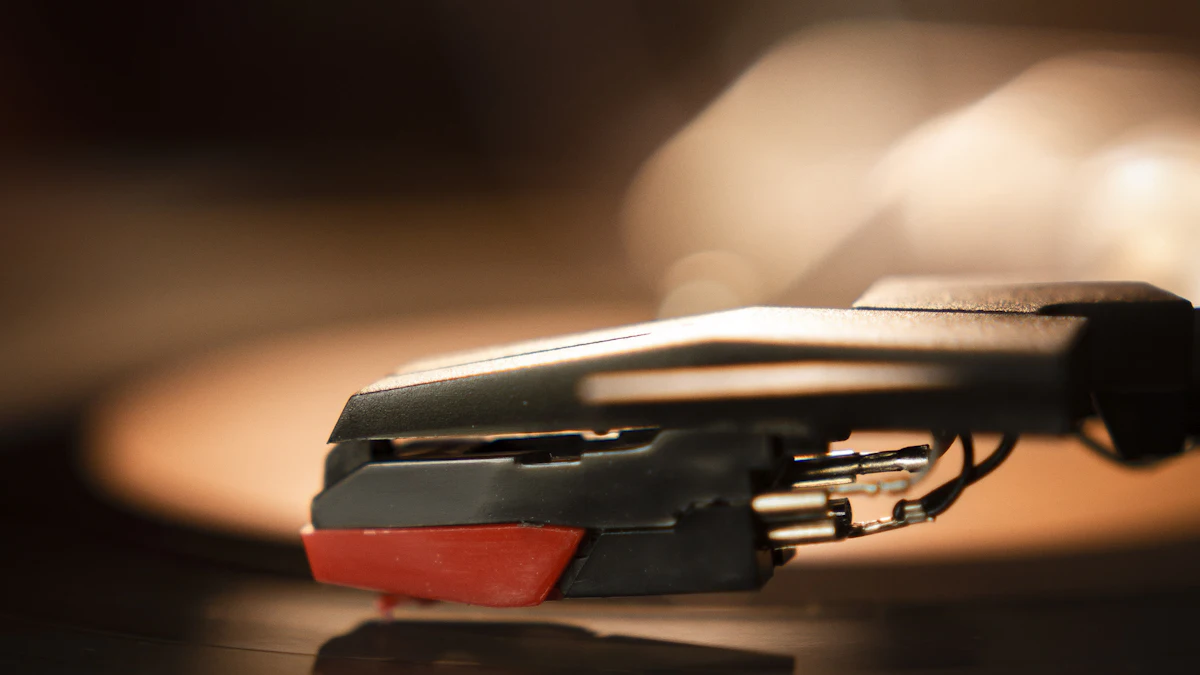
Cleaning is only half the battle. How you store your records is equally critical to their long-term health.
Vertical Storage is Key
Never stack records horizontally. The weight of records pressing down on each other can cause warping and ring wear on album covers. Always store your records upright and vertically, like books on a shelf. Ensure they are packed snugly enough to stand straight but not so tightly that it’s difficult to remove one.
Inner and Outer Sleeves
These simple additions are game-changers for preservation:
- Anti-Static Inner Sleeves: The paper sleeves records often come in are notorious for shedding dust, scratching surfaces, and building static. Replace them with high-quality, anti-static record sleeves made from polyethylene or rice paper. These protect against dust and minimize static cling.
- Clear Outer Sleeves: These protect the album artwork from dust, dirt, shelf wear, and minor scuffs. They are an inexpensive way to keep your album covers pristine.
Environmental Factors
Records are sensitive to their environment:
- Temperature: Store records in a cool, stable environment. Extreme temperature fluctuations, especially heat, can cause warping. Avoid direct sunlight.
- Humidity: High humidity can encourage mold growth and soften cardboard sleeves. Low humidity can increase static. Aim for moderate humidity levels.
- Light: Keep records out of direct sunlight and away from strong artificial light sources that can fade album artwork over time.
Beyond Basic Care: Ongoing Maintenance
While cleaning and proper storage are primary, consider these tips for maintaining your entire setup:
- Regular Turntable Maintenance: A well-maintained turntable is less likely to damage your records. Learn more about keeping your turntable spinning with essential maintenance tips.
- Stylus Inspection: Periodically check your stylus for dirt and wear. A dirty or worn stylus can damage records and degrade sound.
Keep Your Collection Spinning Smoothly
Caring for your vinyl collection isn’t a chore; it’s an act of love for the music and the medium. By following these cleaning and storage guidelines, you’ll ensure that your records not only sound their best every time you drop the needle but also remain cherished artifacts for generations to come. Happy listening!
FAQ
What’s the best method for cleaning vinyl records?
For routine maintenance, a high-quality anti-static brush used before each play is highly effective. For deeper cleaning, a dedicated record cleaning solution applied with a lint-free microfiber cloth, followed by thorough drying, is recommended. Serious collectors might invest in a record cleaning machine for optimal results.
How should I store my vinyl records to prevent damage?
Always store records vertically to prevent warping and ring wear. House them in anti-static inner sleeves and protect the album artwork with clear outer sleeves. Keep them in a cool, dry place away from direct sunlight, extreme temperatures, and high humidity.
Are anti-static sleeves really necessary for vinyl?
Yes, anti-static inner sleeves are highly recommended. The paper sleeves records often come in can scratch surfaces and leave behind paper dust. Anti-static sleeves, typically made of polyethylene or rice paper, protect against dust, prevent scratches, and significantly reduce static cling, which attracts more dust and causes pops and crackles during playback.


Happy
0 %

Sad
0 %

Excited
0 %

Sleepy
0 %

Angry
0 %

Surprise
0 %
 0
0
 0
0