Essential Turntable Maintenance Tips for Longevity and Optimal Sound
Read Time:5 Minute, 0 Second
Essential Turntable Maintenance Tips for Longevity and Optimal Sound
Your turntable isn’t just a piece of audio equipment; it’s a gateway to rediscovering the rich, warm sound of vinyl. To ensure that gateway remains open, delivering crystal-clear audio for years to come, regular turntable maintenance is non-negotiable. It’s not just about preserving your investment; it’s about preserving the integrity of the sound itself and protecting your cherished record collection. This guide will walk you through the essential steps to keep your record player in top condition.
This post contains affiliate links, meaning we may earn a commission if you make a purchase through our links, at no extra cost to you.
The Foundation of Good Sound: Regular Turntable Care
A well-maintained turntable isn’t just about extending its operational life; it’s about ensuring every note from your vinyl sounds as the artist intended. Dust, grime, and wear can significantly degrade audio quality, leading to pops, crackles, and muffled sound. By following a few simple steps, you can drastically improve your listening experience and prevent costly repairs down the line.
Stylus Cleaning: Your Cartridge’s Best Friend
The stylus (or needle) is the most delicate and crucial component of your turntable, directly responsible for reading the grooves of your records. A dirty stylus can not only sound terrible but also damage your vinyl. Over time, dust and debris can accumulate, affecting tracking and causing distortion.
To clean your stylus, use a specialized stylus cleaning solution and a soft, dedicated brush. Gently brush the stylus from back to front, never side-to-side, to avoid bending or damaging it. Many audiophiles clean their stylus before or after every listening session, or at least every few. If you’re experiencing skipped tracks or distorted sound, a dirty stylus could be one of the common turntable problems and fixes to consider.
Keeping Your Vinyl Pristine: Record Cleaning Methods
Clean records are just as important as a clean stylus for optimal sound. Dust, fingerprints, and static cling can introduce unwanted noise and even affect your stylus’s lifespan. Incorporating a proper record cleaning routine will keep your collection sounding its best.
For everyday dust, a good quality carbon fiber record brush is essential. Use it before each play to sweep away loose particles. For deeper cleaning, especially for older or heavily used records, a wet cleaning method using a dedicated record cleaning solution and microfiber cloths is recommended. Always dry records thoroughly before playing them. Using an anti-static mat can also help reduce dust attraction during play.
Turntable Body and Dust Cover Maintenance
While the internal components are vital, the external parts also require attention. Regularly wipe down the plinth (the turntable’s base) and platter with a soft, lint-free cloth to remove dust. The dust cover, though often overlooked, is crucial for protecting your turntable from airborne particles when not in use. Keep it clean with a gentle cloth and mild cleaner, being careful not to scratch it.
Belt Inspection and Replacement
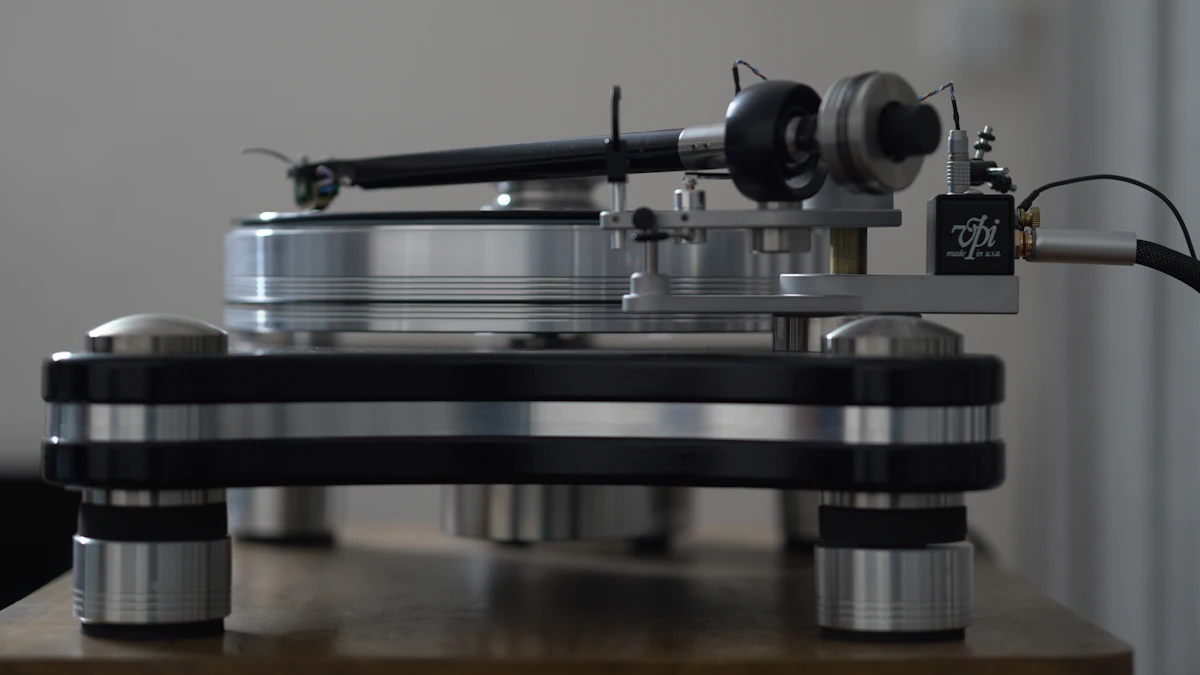
If you own a belt-drive turntable, the belt is responsible for transferring power from the motor to the platter. Over time, belts can stretch, crack, or degrade, leading to inconsistent platter speed and poor sound quality, particularly noticeable during sustained notes. Check your belt periodically for signs of wear. If it looks loose, cracked, or if you notice speed fluctuations, it’s time for a replacement. Consult your turntable’s manual for specific instructions on how to access and replace the belt, and where to find compatible replacement belts.
Platter and Spindle Care
The platter, the surface on which your records spin, should also be kept clean. Remove it occasionally (if your model allows) and wipe down both sides. For turntables with a bearing spindle, a tiny drop of the manufacturer-recommended lubricant might be needed occasionally, but always check your user manual first as not all turntables require this, and incorrect lubrication can cause damage.
Proper Storage and Placement
Where and how you store your turntable significantly impacts its longevity and performance. Always place your turntable on a level, stable surface, away from direct sunlight, heat sources, and areas prone to vibration. When not in use, ensure the dust cover is properly in place to shield it from dust and accidental bumps. A proper initial turntable setup on a stable surface is foundational for its long-term health.
Frequently Asked Questions About Turntable Maintenance
How often should I clean my turntable stylus?
For optimal performance and to protect your records, it’s generally recommended to clean your turntable stylus before or after every listening session. At minimum, aim to clean it every few plays, especially if you notice visible dust buildup or a degradation in sound quality.
What’s the best way to clean my vinyl records?
The best way to clean your vinyl records is a two-step process: First, use a good quality carbon fiber brush before each play to remove surface dust. Second, for deeper grime, regularly use a dedicated wet record cleaning solution with a microfiber cloth or a record cleaning machine. Always dry records completely before playing.
When should I replace my turntable belt?
Most turntable belts last between 3 to 5 years, though this can vary. You should consider replacing your belt if you notice inconsistent platter speed, slippage, or if the belt shows visible signs of wear such as stretching, cracking, or becoming brittle. Consult your turntable’s manual for specific recommendations.
How can I properly store my turntable?
To properly store your turntable, ensure it is placed on a level, stable surface away from direct sunlight, heat sources, and areas with heavy foot traffic or vibrations. Always keep the dust cover on when the turntable is not in use to protect it from dust and accidental damage. If storing for an extended period, you might consider removing the platter and packing the tonearm securely.
By dedicating a little time to these essential turntable maintenance tips, you’ll not only prolong the life of your equipment but also elevate your vinyl listening experience to new heights. Happy spinning!


Happy
0 %

Sad
0 %

Excited
0 %

Sleepy
0 %

Angry
0 %

Surprise
0 %
 0
0
 0
0