Open vs. Closed Back Headphones: Which is Right for You?
Read Time:6 Minute, 54 Second
Open vs. Closed Back Headphones: Which is Right for You?
Choosing the right pair of headphones can be a daunting task, especially with the vast array of options available. One of the most fundamental decisions you’ll face is whether to opt for open-back or closed-back headphones. This distinction significantly impacts sound quality, noise isolation, and overall listening experience. Understanding the differences is crucial for finding the perfect fit for your audio needs and environment.
When you make a purchase through links on our site, we may earn an affiliate commission.
In this guide, we’ll dive deep into what makes each type unique, explore their pros and cons, and help you determine which design aligns best with your preferences, listening habits, and surroundings.
Understanding Headphone Design
What are Open-Back Headphones?
Open-back headphones, as the name suggests, feature earcups that are open or perforated, allowing air and sound to pass through. This design typically uses a mesh or grilles on the outside of the earcups instead of a solid enclosure. This intentional openness is designed to prevent pressure buildup and allow the drivers to move more freely, mimicking the acoustics of a natural listening space.
Pros:
- Natural Soundstage: Often praised for their expansive and natural soundstage, making music feel like it’s coming from around you rather than directly into your ears.
- Airy and Detailed Sound: The open design contributes to a more open, transparent, and detailed sound reproduction with excellent imaging.
- Comfort: Generally lighter and offer better ventilation, reducing ear fatigue and heat buildup during long listening sessions.
Cons:
- Poor Noise Isolation: They offer virtually no isolation from external noise, meaning you’ll hear your surroundings, and others will hear your music.
- Sound Leakage: Sound leaks out significantly, making them unsuitable for public or shared environments.
Open-back headphones are generally favored by audiophiles, mixers, and master engineers for critical listening in quiet, private settings.
What are Closed-Back Headphones?
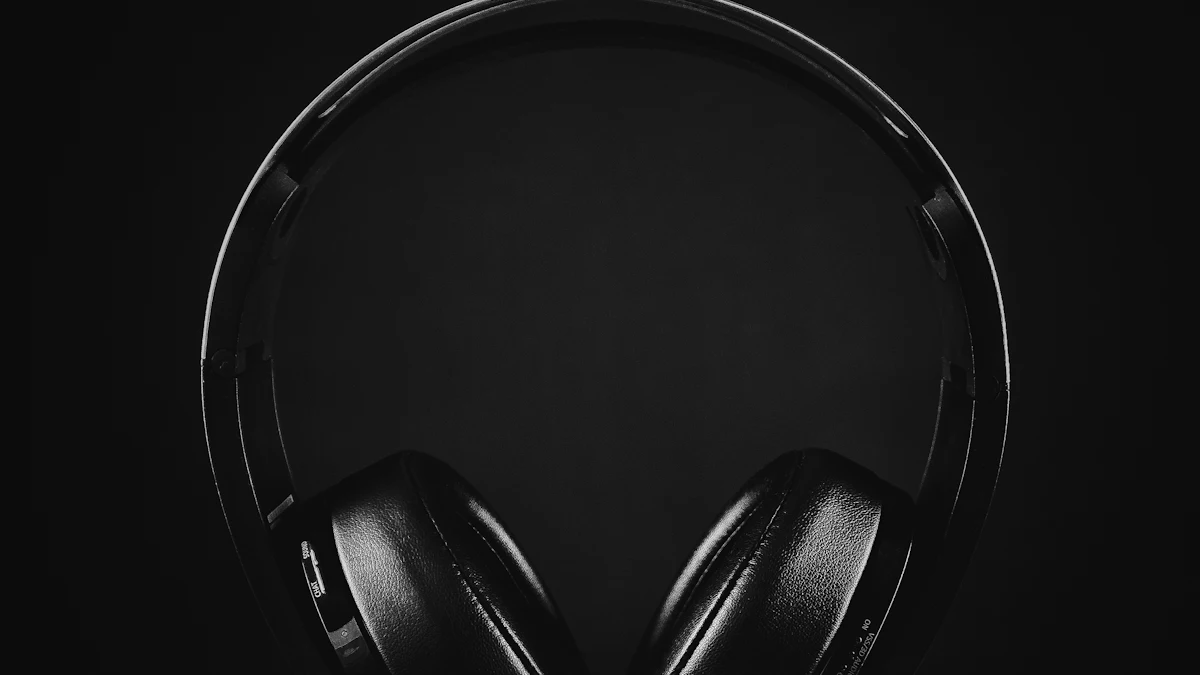
Closed-back headphones have earcups that are completely sealed, creating a closed chamber around your ears. This design prevents sound from entering or escaping, making them the most common type found in everyday use.
Pros:
- Excellent Noise Isolation: They effectively block out external noise, allowing you to focus on your audio in noisy environments.
- Minimal Sound Leakage: Your music stays private, making them ideal for offices, commutes, and public spaces.
- Punchy Bass: The enclosed design can create a more impactful and contained bass response.
Cons:
- Smaller Soundstage: The soundstage is typically more intimate and “in-your-head,” which can feel less natural than open-back designs.
- Potential for Ear Fatigue: Can sometimes create a “closed-in” or “boxy” sound, and the lack of airflow can lead to warmer ears over time.
Closed-back headphones are highly versatile and are excellent for casual listening, gaming, travel, office work, and situations where privacy and noise isolation are paramount.

If you’re ready to explore options, you can find a wide range of open-back and closed-back headphones available for purchase.
Key Differences: A Head-to-Head Comparison
Soundstage and Imaging
This is arguably the most significant difference. Open-back headphones excel at creating a wide, airy, and realistic soundstage, giving the impression that instruments and vocals are positioned in a three-dimensional space around you. Closed-back headphones, due to their sealed design, offer a more confined and intimate soundstage, often making the audio feel like it’s coming directly from within your head.
Noise Isolation and Leakage
Closed-back headphones provide superior noise isolation, blocking out ambient sounds and keeping your music private. This makes them ideal for noisy environments or shared spaces. Open-back headphones offer virtually no noise isolation; you’ll hear everything around you, and everyone around you will hear your music. This makes them strictly for quiet, private listening areas.
Comfort and Airflow
Many users find open-back headphones more comfortable for extended periods because their open design allows for better airflow, preventing heat buildup around the ears. They also tend to be lighter. Closed-back headphones can sometimes feel warmer and heavier, though modern designs have made significant strides in improving comfort.
Audio Fidelity and Frequency Response
While both types can offer high-fidelity audio, their sonic characteristics differ. Open-back headphones are often praised for their natural, transparent, and uncolored sound, with a clear mid-range and extended highs. They might have a less pronounced bass response compared to some closed-back models. Closed-back headphones can often deliver a more impactful, “punchy” bass and a more direct sound. The perceived “fidelity” often comes down to personal preference for sound signature rather than one being inherently superior.
Use Cases and Environments
- Open-Back: Best for critical listening, mixing, mastering, and immersive music enjoyment in a quiet home or studio environment.
- Closed-Back: Ideal for daily commutes, office work, recording studios (for tracking), gaming, travel, or any situation where you need to block out noise or keep your audio private.
Which One is Right for You?
The choice between open-back and closed-back headphones ultimately depends on your specific needs and listening environment.
Choose Open-Back If…
- You primarily listen to music in a quiet, private space.
- You prioritize a wide, natural, and airy soundstage for an immersive experience.
- You value transparency, detail, and a less “colored” sound.
- You want maximum comfort for long listening sessions.
- You don’t need noise isolation or privacy.
Choose Closed-Back If…
- You listen in noisy environments (e.g., commute, office, public places).
- You need privacy for your audio and don’t want sound to leak.
- You prefer a strong, impactful bass response.
- You require noise isolation for focus (e.g., studying, gaming).
- You need a versatile headphone for various situations.
Enhancing Your Listening Experience
Regardless of whether you choose open-back or closed-back headphones, understanding other aspects can further enhance your audio journey. For instance, knowing about headphone impedance and sensitivity can help you match your headphones with the right source device for optimal performance. If you’re investing in high-end headphones, you might also consider the benefits of a headphone amplifier to get the most out of them.
And if you’re looking for solutions beyond over-ear headphones for specific needs like on-the-go listening, don’t forget to explore options like choosing earbuds for travel and commute, which often leverage similar closed-back principles for portability.
Frequently Asked Questions
What are the key differences between open and closed-back headphones?
The primary differences lie in their design and performance characteristics. Open-back headphones have perforated earcups that allow sound to pass through, offering a wider soundstage, more natural sound, and better comfort, but no noise isolation and significant sound leakage. Closed-back headphones have sealed earcups, providing excellent noise isolation and minimal sound leakage, but typically a more intimate soundstage and can be less airy.
When should I choose open-back headphones?
You should choose open-back headphones if you primarily listen in a quiet, private environment (like your home or a dedicated studio), prioritize an expansive and natural soundstage, value transparency and detailed audio, and don’t need noise isolation or sound privacy.
When are closed-back headphones a better option?
Closed-back headphones are a better option when you need to block out external noise (e.g., commuting, office, public spaces), require sound privacy (so others don’t hear your music), prefer a more impactful bass response, or need a versatile headphone for various noisy or shared environments.
Conclusion
The debate between open-back and closed-back headphones isn’t about one being inherently superior, but rather about matching the right tool to the right job. Open-back designs offer an unparalleled sense of space and naturalness, perfect for critical listening in serene environments. Closed-back headphones provide vital isolation and privacy, making them indispensable for everyday use in the bustling world.
By considering your primary listening environment, your priorities for sound (soundstage vs. bass impact), and your need for isolation, you can confidently make an informed decision. Ultimately, the best headphones are the ones that perfectly align with your lifestyle and bring your music to life in the way you enjoy most. If you’re specifically looking for headphones tailored to genres like downtempo music, check out our guide on the best headphones for downtempo music for curated recommendations.


Happy
0 %

Sad
0 %

Excited
0 %

Sleepy
0 %

Angry
0 %

Surprise
0 %
 0
0
 0
0