Keep Your Turntable Spinning: Essential Maintenance Tips
Read Time:4 Minute, 23 Second
For many, the crackle and warmth of vinyl offer an unparalleled listening experience. But just like any fine instrument, your turntable needs regular care to keep spinning smoothly and sounding its best. Neglecting proper maintenance can lead to degraded sound quality, premature wear on your records, and even damage to your equipment. This guide will walk you through essential tips to ensure your turntable remains a centerpiece of your audio setup for years to come.
As an Amazon Associate, we earn from qualifying purchases made through links on this page.
The Foundation: Your Stylus and Records
Keeping Your Stylus Squeaky Clean
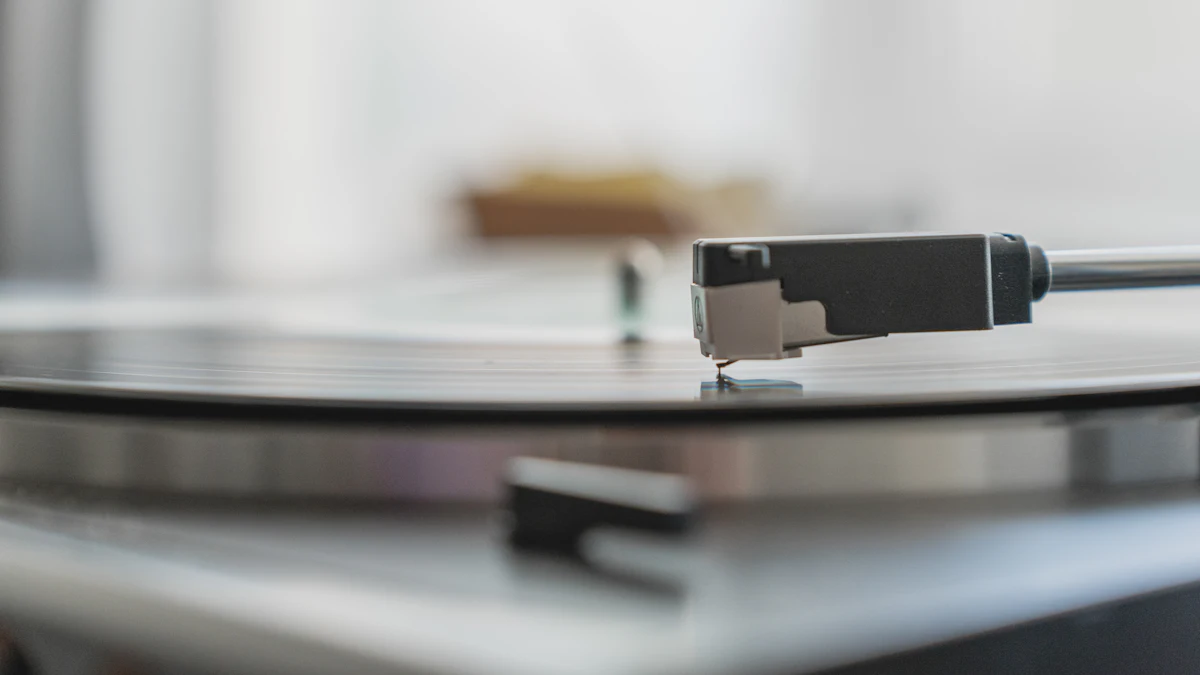
Your turntable’s stylus (or needle) is the delicate point of contact with your records, tracing the intricate grooves to produce sound. A dirty stylus can not only distort playback but also cause permanent damage to your precious vinyl. It’s crucial to clean it regularly.
- Gentle Brushing: Use a specialized stylus brush, moving it gently from back to front (the direction the record plays) to dislodge dust and debris. Never brush side-to-side, as this can bend or break the cantilever.
- Stylus Cleaning Fluid: For stubborn grime, a drop of dedicated stylus cleaning fluid on the brush can work wonders. Apply it sparingly and only as directed by the product’s instructions.
- Inspection: Periodically inspect your stylus for visible dirt or damage using a magnifying glass. A worn or chipped stylus should be replaced immediately.
For a comprehensive solution, consider a turntable cleaning kit that often includes a stylus cleaner and other useful tools.
The Art of Record Cleaning
Dust, fingerprints, and static are the enemies of clear vinyl playback. Keeping your records pristine is just as important as maintaining your turntable.
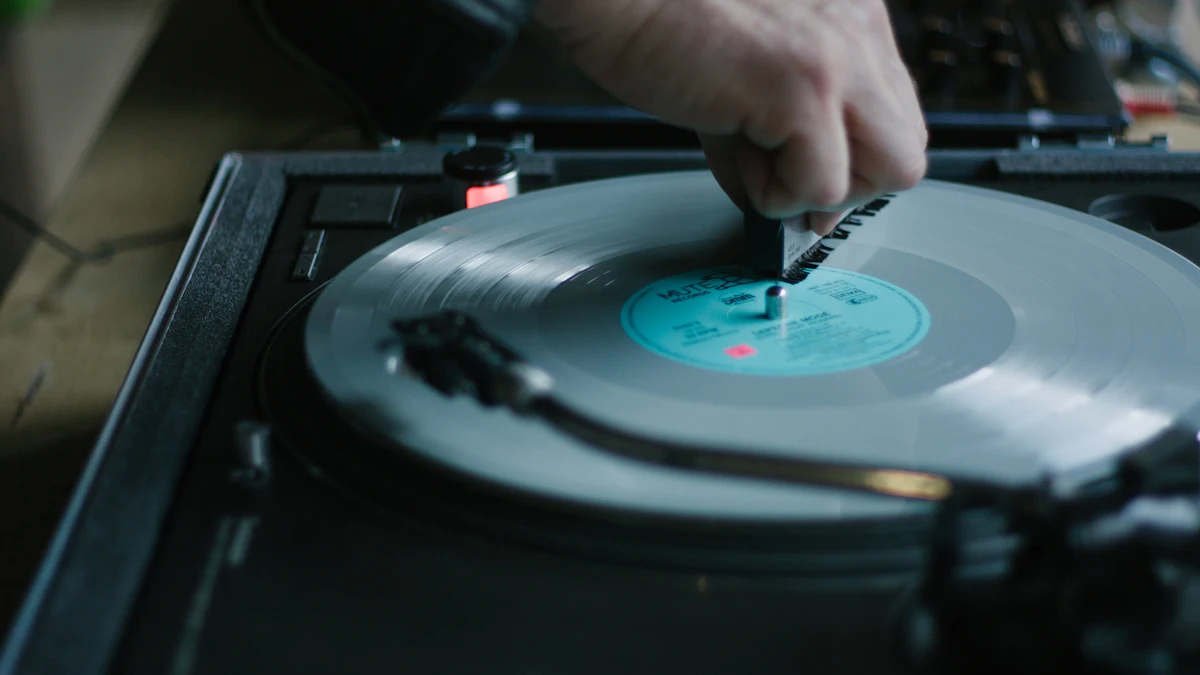
- Dry Cleaning: Before and after each play, use a carbon fiber brush to gently sweep dust off the record surface. Place the record on the platter, spin it, and hold the brush lightly across the grooves for a few rotations.
- Wet Cleaning: For deeper cleaning of dirty or used records, a record cleaning solution and microfiber cloth (or a dedicated record cleaning machine) can remove embedded dirt and grime. Always apply solution to the cloth, not directly to the record, and wipe with the grooves, not against them.
- Proper Handling: Always handle records by their edges or the center label to avoid transferring oils from your skin to the playing surface.
Beyond the Groove: Turntable Components
Platter, Mat, and Belt Maintenance
These components, while less delicate than the stylus, are vital for consistent playback.
- Platter: Keep the platter surface clean from dust and debris, as this can affect the record’s stability.
- Platter Mat: If you use a felt, cork, or rubber mat, clean it periodically. Felt mats, in particular, can accumulate dust and static. Consider replacing it if it shows significant wear or becomes difficult to clean.
- Drive Belt: If your turntable is a belt-drive model, regularly inspect the belt for signs of wear, stretching, or cracking. A worn belt can cause speed inconsistencies, affecting pitch and rhythm. Consult your turntable’s manual for replacement instructions; it’s a simple process often best done every 3-5 years, depending on usage. If you’re new to turntable care, learning about setting up your turntable correctly can also shed light on belt installation.
General Turntable Tidiness
A clean environment extends to the entire unit.
- Dust Cover: Always use your dust cover when the turntable is not in use. This is your first line of defense against airborne particles.
- Chassis Cleaning: Wipe down the turntable’s chassis with a soft, lint-free cloth to remove dust. For tougher marks, use a slightly damp cloth, but avoid harsh chemical cleaners.
- Cables: Ensure all cables (RCA, ground, power) are securely connected and free from kinks or damage. Good cable management can also prevent unwanted vibrations and interference, helping you avoid common turntable problems.
Optimizing Your Setup Environment
Placement Matters
Where you place your turntable significantly impacts its performance and longevity. Choose a stable, level surface away from direct sunlight, heat sources, and heavy foot traffic. Vibrations from speakers, footfalls, or even nearby appliances can cause skips and impact sound quality. Proper placement is a cornerstone of getting the most out of your vinyl collection.
FAQ: Your Turntable Maintenance Questions Answered
How often should I clean my turntable stylus?
It’s best practice to give your stylus a light brush before or after every listening session. For deeper cleaning with fluid, once a week or every few listening sessions is usually sufficient, depending on how dusty your environment is and the condition of your records.
What’s the best way to clean my records?
For daily maintenance, a carbon fiber brush is ideal for removing surface dust. For dirtier records, a wet cleaning method using a dedicated record cleaning solution and microfiber cloth or a record cleaning machine will provide a deeper clean.
When should I replace my turntable’s belt?
Most turntable belts need replacement every 3 to 5 years, or sooner if you notice signs of wear like stretching, cracking, or if your turntable’s speed becomes inconsistent. Check your turntable’s manual for specific recommendations.
By incorporating these simple maintenance steps into your routine, you’ll not only protect your investment in both your turntable and your vinyl collection but also consistently enjoy the rich, nuanced sound that makes analog audio so special. Happy listening!


Happy
0 %

Sad
0 %

Excited
0 %

Sleepy
0 %

Angry
0 %

Surprise
0 %
 0
0
 0
0