The Benefits of Open-Back vs. Closed-Back Headphones
Read Time:7 Minute, 52 Second
The Great Headphone Debate: Open-Back vs. Closed-Back
Choosing the right pair of headphones can profoundly impact your listening experience, whether you’re an audiophile, a gamer, a musician, or just someone who enjoys music. One of the fundamental distinctions you’ll encounter is between open-back and closed-back designs. Each type offers a unique set of acoustic and practical benefits, making the choice highly dependent on your specific needs and environment. Understanding the core differences in soundstage, isolation, and comfort is key to finding your perfect audio companion.
This detailed comparison will help you navigate the pros and cons of open-back vs closed-back headphones, guiding you toward an informed decision that enhances your personal audio journey.
As an Amazon Associate, we earn from qualifying purchases.
Understanding Open-Back Headphones
Open-back headphones are characterized by ear cups that are open or perforated, allowing air and sound to pass through freely. This design choice is deliberate and has significant implications for sound quality and usage.
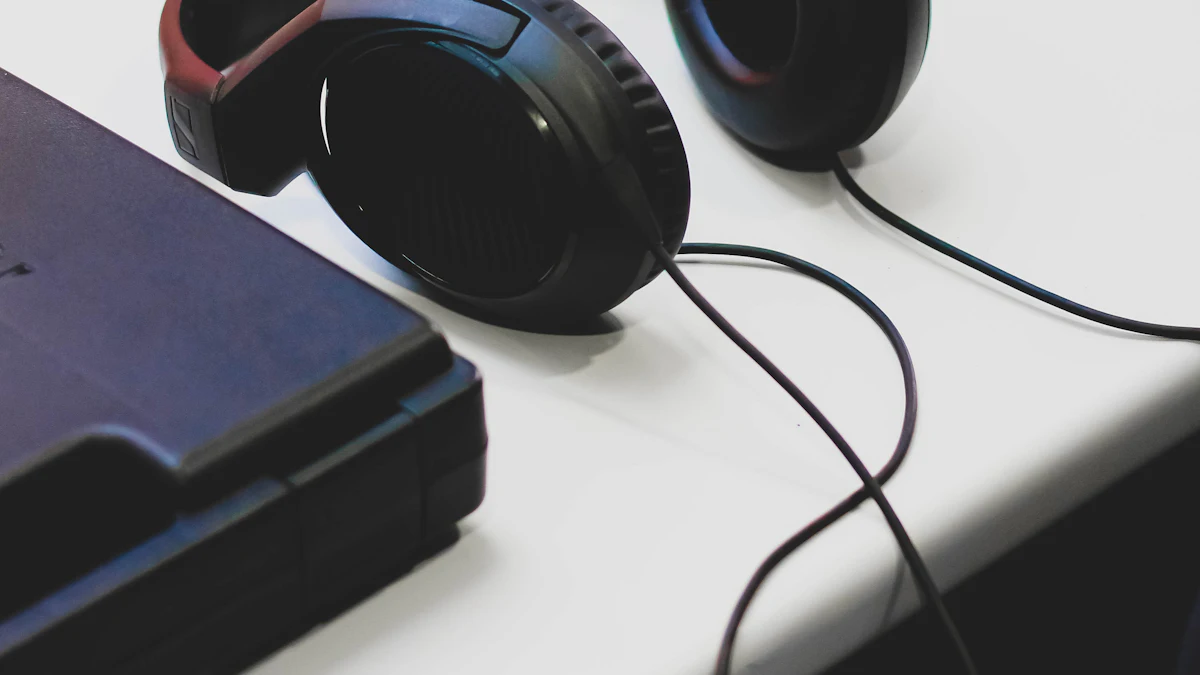
Advantages of Open-Back Headphones
- Expansive Soundstage: The open design creates a more natural, spacious, and “out-of-your-head” listening experience, often described as having a wide audio soundstage. Sounds appear to come from around you, similar to listening to speakers in a room. This makes them excellent for enjoying orchestral music, live recordings, or anything where spatial accuracy is important.
- Natural and Detailed Sound: Without a sealed chamber, there’s less acoustic resonance build-up inside the ear cup. This typically results in a more accurate, transparent, and less colored sound reproduction. Many audiophiles prefer them for critical listening.
- Increased Comfort: The open design allows for better airflow, reducing heat and sweat buildup around the ears. This contributes to superior headphone comfort, especially during long listening sessions.
Disadvantages of Open-Back Headphones
However, the open design also comes with trade-offs:
- Poor Sound Isolation: Sound leaks out of the ear cups, and external noise leaks in. This means they are not ideal for noisy environments like public transport or open-plan offices, nor for situations where you don’t want to disturb others.
- Not for Recording: Due to sound leakage, they are unsuitable for monitoring during vocal or instrument recording, as the microphone would pick up the headphone’s sound.
- Limited Bass Impact: While bass is often natural and well-defined, the open design can sometimes lead to a less impactful or “thinner” bass response compared to closed-back models, particularly at very low frequencies.
Understanding Closed-Back Headphones
Closed-back headphones feature solid, sealed ear cups that completely enclose the ears, preventing sound from escaping or entering. This creates a distinct listening environment with its own set of characteristics.

Advantages of Closed-Back Headphones
Closed-back headphones excel in scenarios where isolation is paramount:
- Excellent Sound Isolation: The sealed design provides significant passive noise cancellation, blocking out external distractions and keeping your music private. This makes them perfect for commuting, working in noisy environments, or simply enjoying your audio without disturbing others.
- Stronger Bass Response: The sealed ear cup creates an acoustic chamber that can enhance bass frequencies, often delivering a more punchy and impactful low-end. This is appealing for genres like electronic, hip-hop, and rock.
- Versatile for Studio Use: They are the go-to choice for studio recording, especially for vocalists and musicians, as they prevent sound from the headphones bleeding into microphones.
Disadvantages of Closed-Back Headphones
While offering great isolation, closed-back headphones have their own drawbacks:
- Smaller Soundstage: The enclosed design can make the sound feel more confined, often described as being “in your head.” The audio soundstage is typically narrower compared to open-back models.
- Potential for Acoustic Resonance: Sound waves can reflect inside the sealed ear cup, potentially leading to unwanted resonances or a less natural sound signature, often referred to as a “boxed-in” sound.
- Less Airflow, More Heat: The lack of ventilation can lead to heat and moisture buildup, potentially reducing headphone comfort during extended listening sessions.
Key Differences: Open-Back vs. Closed-Back Headphones
The distinction between open-back vs closed-back headphones comes down to their fundamental design and the resulting acoustic properties. Here’s a direct comparison of their primary differences:
Soundstage and Immersion
Open-back headphones offer a more expansive and natural soundstage, making music feel as though it’s coming from an environment around you. This makes them ideal for immersive experiences and appreciating the spatial elements of recordings. Closed-back headphones, in contrast, provide a more intimate and direct sound, often feeling like the music is emanating directly into your ears, which can be great for focusing on details.
Sound Isolation and Leakage
This is arguably the most significant practical difference. Closed-back headphones offer superior sound isolation, keeping external noise out and your audio in. Open-back headphones offer very little isolation, making them unsuitable for public or shared spaces where noise is a concern or where you don’t want to disturb others.
Comfort During Extended Use
Due to better airflow, open-back headphones generally provide greater comfort over long periods, reducing ear fatigue and heat buildup. Closed-back headphones can become warm and less comfortable, especially in warmer climates, though advancements in earpad materials are continually improving this aspect.
Ideal Usage Scenarios
Open-back headphones shine in quiet, private environments where sonic purity and spaciousness are prioritized, such as a home listening room or studio mixing (where monitoring isn’t simultaneously recorded). Closed-back headphones are your best bet for noisy commutes, office work, live sound monitoring, or anytime privacy and noise blocking are crucial.
Understanding how headphone impedance and sensitivity play a role in how different headphone types respond to various audio sources can further refine your choice. For truly optimal sound, you might also consider how to choose the right headphone amplifier to properly drive your chosen headphones, especially high-impedance open-back models.
Which Type Is Right for You?
The decision between open-back headphones and closed-back headphones ultimately depends on your primary listening environment and preferences. Consider these points:
- For Critical Listening and Audiophiles: If you prioritize soundstage, natural reproduction, and listen in a quiet environment, open-back headphones are often the preferred choice. They offer an immersive experience that many find superior for appreciating musical nuances.
- For Commuting, Travel, or Noisy Environments: If you need to block out external noise or keep your music private, closed-back headphones are indispensable. Their isolation capabilities make them practical for everyday use outside of dedicated listening spaces.
- For Studio Work (Recording vs. Mixing): Closed-back headphones are essential for recording artists to prevent bleed. For mixing and mastering in a treated room, many engineers prefer open-back for their accuracy and soundstage, though closed-back can also be used.
- For Gaming: Open-back can offer a more immersive soundstage, helping with spatial awareness in games, but closed-back provide better focus by blocking out distractions.
Exploring the science of headphone drivers and design can offer even deeper insights into how these different headphone types achieve their unique acoustic signatures.
Recommended Headphones on Amazon
For those looking to explore options for either open-back audiophile headphones or closed-back studio headphones, Amazon offers a wide selection from various brands.
Frequently Asked Questions About Headphone Types
What are the key differences between open-back and closed-back headphones?
The key differences lie in their construction and the resulting audio characteristics. Open-back headphones have perforated ear cups that allow sound to pass through, creating a wide soundstage and natural sound but offering no sound isolation. Closed-back headphones have sealed ear cups that block out external noise and prevent sound leakage, leading to a more intimate soundstage and often stronger bass, but potentially less airflow and comfort.
What are the advantages of open-back headphones?
Open-back headphones are prized for their expansive and natural audio soundstage, which creates a more immersive and “out-of-your-head” listening experience. They often provide more accurate and transparent sound reproduction, and their open design allows for better airflow, leading to superior headphone comfort during long listening sessions.
When should I choose closed-back headphones?
You should choose closed-back headphones when sound isolation is a priority. This includes situations like commuting, working in a noisy office, or any environment where you need to block out external distractions or prevent your audio from disturbing others. They are also ideal for studio recording to prevent microphone bleed.
Which type is better for critical listening vs. commuting?
For critical listening in a quiet environment, open-back headphones are generally preferred due to their natural soundstage and accurate audio reproduction. For commuting, closed-back headphones are unequivocally better because their superior sound isolation blocks out ambient noise and allows you to enjoy your music without interruption or disturbing fellow passengers.
Conclusion
The choice between open-back vs closed-back headphones isn’t about one being inherently “better” than the other; it’s about finding the right tool for the job. Open-back headphones deliver an unparalleled sense of space and natural sound for dedicated, quiet listening, while closed-back headphones provide essential isolation and privacy for on-the-go or noisy environments. By considering your primary use case, listening preferences, and environment, you can confidently select the headphone types that best suit your audio needs.
Ready to explore options that perfectly match your listening style? Check out our guide to the best headphones for downtempo music for curated recommendations.


Happy
0 %

Sad
0 %

Excited
0 %

Sleepy
0 %

Angry
0 %

Surprise
0 %
 0
0
 0
0