Headphone Comfort: Materials, Clamping Force, and Ear Pad Types
Read Time:7 Minute, 3 Second
The Unsung Hero: Why Headphone Comfort Matters
For music lovers, gamers, and remote workers alike, headphones are often an indispensable tool. We spend hours immersed in sound, whether it’s the subtle nuances of a downtempo track, the intense audio cues of a game, or the crisp voices in a virtual meeting. Yet, many overlook a critical factor that can make or break these extended sessions: headphone comfort. An uncomfortable pair of headphones can lead to sore ears, a throbbing head, and a distracted mind, turning what should be an enjoyable experience into a frustrating one.
As an Amazon Associate, I earn from qualifying purchases.
Achieving true headphone comfort isn’t just about finding a plush-looking pair. It’s a delicate balance of design elements, material choices, and the fundamental way the headphones interact with your head and ears. This guide will delve into the science of headphone ergonomics, exploring how everything from the ear pad materials to the clamping force contributes to a pleasant and pain-free listening experience.
The Core Elements of Headphone Comfort
Ear Pad Materials: Your First Point of Contact
The material covering your ear pads is arguably the most direct contributor to initial comfort. It determines how the headphones feel against your skin, their breathability, and even their impact on sound isolation. Different materials offer unique benefits and drawbacks:
- Velour: Known for its soft, fabric-like texture, velour is highly breathable, reducing heat buildup and sweat. This makes it excellent for extended wear, though it may offer slightly less sound isolation compared to leather.
- Protein Leather (Pleather/Faux Leather): This synthetic material is often used to mimic the look and feel of real leather. It provides good sound isolation and can feel soft, but it tends to be less breathable, leading to warmer ears over time. Quality varies significantly, with some pleather flaking or deteriorating faster.
- Real Leather: While less common on budget headphones, genuine leather offers a premium feel, good durability, and excellent sound isolation. Like pleather, it can lead to heat buildup but often breathes better than lower-quality synthetics.
- Fabric/Mesh: Similar to velour in breathability, fabric or mesh pads are often found on gaming headsets or more casual headphones. They’re comfortable and reduce sweat but might not offer top-tier sound isolation.
- Memory Foam: Often found beneath the outer material, memory foam contours to the shape of your head, distributing pressure evenly and enhancing comfort. It’s a key ingredient in many premium ear pads, regardless of the outer layer.
- Hybrid Materials: Some manufacturers combine materials, such as a leather outer ring for isolation and a velour contact surface for breathability, offering a best-of-both-worlds approach.
Clamping Force: The Gentle (or Not-So-Gentle) Hug
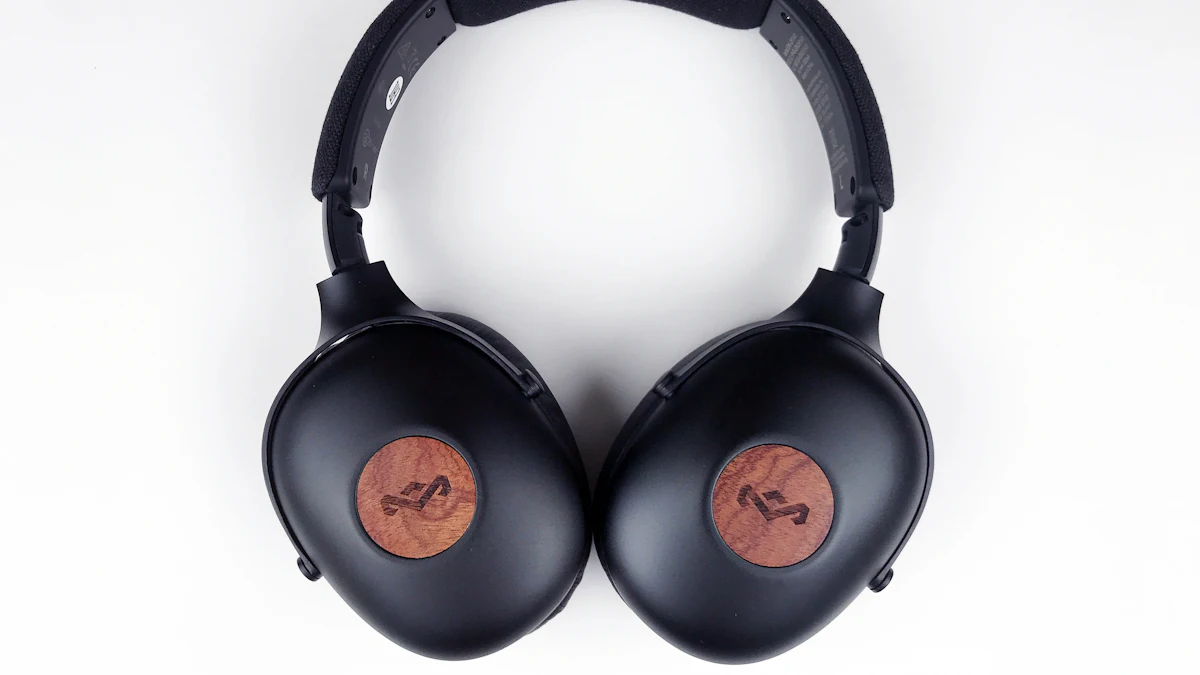
Clamping force refers to the pressure headphones exert on your head to keep them in place and ensure a proper seal for sound. It’s a critical balancing act:
- Too Much Clamping Force: This leads to discomfort, pressure points, headaches, and can even distort the shape of your ears over long periods. It’s a common complaint for new headphones that haven’t been “broken in.”
- Too Little Clamping Force: While seemingly comfortable, insufficient clamping force can cause headphones to slip off easily, especially with movement. More importantly, it can compromise the acoustic seal, leading to a loss of bass response and overall sound quality.
Many headphones will loosen slightly over time as the materials conform to your head. Some models even allow for minor adjustments to the headband to reduce pressure. The ideal clamping force provides security without causing undue pressure.
Ear Pad Types and Design: Beyond Just Material
Beyond the material, the actual design and dimensions of the ear pads play a huge role in comfort.
- Circumaural (Over-Ear): These pads encircle your entire ear, resting against your head around the ear. They are generally considered the most comfortable for extended wear as they avoid direct pressure on the ear itself. They also typically offer better passive noise isolation. This design is common for both open-back and closed-back headphones.
- Supra-aural (On-Ear): These pads sit directly on top of your ears. While often more compact and portable, they can cause discomfort and pressure on the ear cartilage over time.
- Depth and Diameter: For over-ear headphones, sufficient ear cup depth and diameter are crucial. Your ears should fit comfortably within the cups without touching the drivers or the inner walls. If your ears are pressed or squashed, discomfort is inevitable.
Beyond the Basics: Other Comfort Considerations
Headband Design and Padding
The headband carries a significant portion of the headphone’s weight. A well-designed headband distributes this weight evenly across the top of your head, preventing a single pressure point. Look for generous padding, often made of memory foam or a similar soft material, and a design that conforms to the curve of your head.
Headphone Weight
While often overlooked, the overall weight of the headphones contributes directly to fatigue during long listening sessions. Lighter headphones naturally put less strain on your neck and head. However, lighter weight shouldn’t come at the cost of build quality or sound performance. It’s a balance designers constantly seek.
Adjustability
The ability to adjust the headband length and ear cup swivel/pivot is essential for a personalized fit. Headphones that can adapt to different head sizes and shapes will inherently be more comfortable for a wider range of users. A good fit ensures the ear pads sit flush around your ears without leaving gaps or applying uneven pressure.
Maintaining and Improving Headphone Comfort
Replacing Ear Pads
Ear pads are often the first component to show wear and tear, and their deterioration directly impacts comfort and sound quality. Replacing worn-out ear pads can dramatically refresh the comfort of your headphones, often making them feel like new again. You can find a wide variety of replacement ear pads online, including options made from different materials if you wish to experiment with breathability or sound characteristics.
Break-in Period
Just like a new pair of shoes, some headphones have a break-in period. The materials, particularly the headband and ear pad foam, may need time to soften and conform to your head shape. Initial tightness often lessens after a few hours or days of use.
Ergonomic Accessories
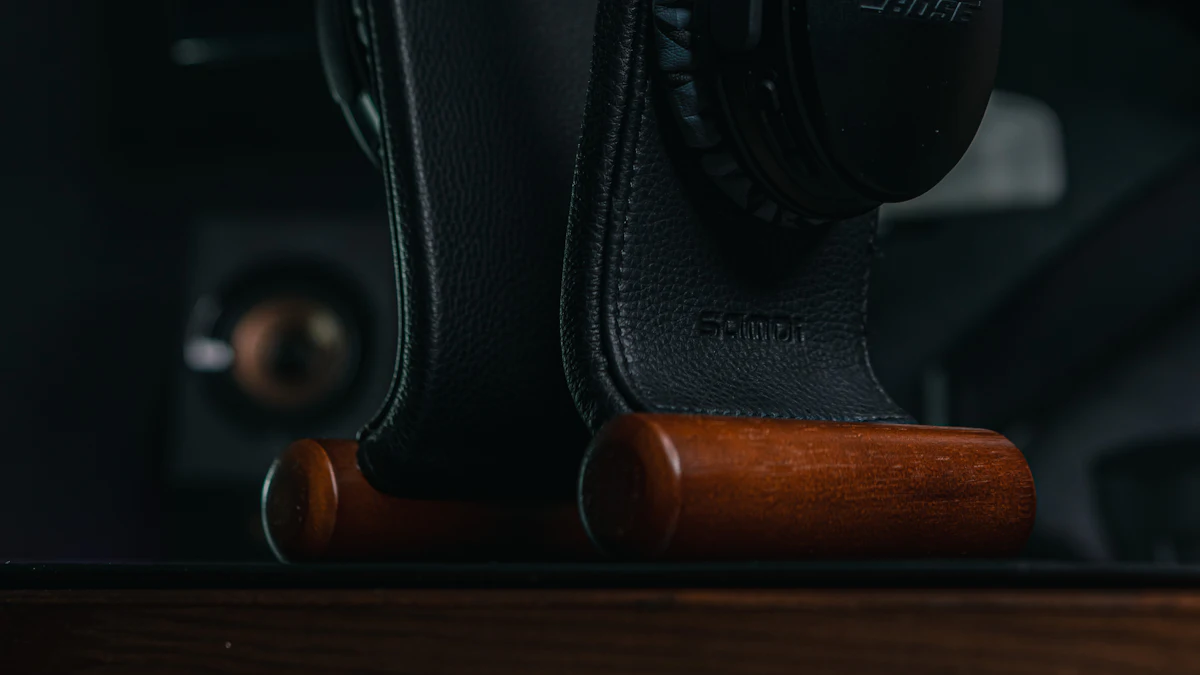
Proper storage can also play a small role. Using a headphone stand that supports the headband without distorting its shape can help maintain its intended clamping force and prevent uneven wear on the pads.
Frequently Asked Questions About Headphone Comfort
What factors contribute to headphone comfort?
Headphone comfort is a multifaceted experience influenced primarily by ear pad materials, the clamping force exerted by the headband, and the design and dimensions of the ear pads themselves. Other important factors include the overall weight of the headphones, the padding and design of the headband, and the level of adjustability for a personalized fit.
What are the best ear pad materials for comfort?
There isn’t a single “best” material, as personal preference plays a role. However, velour is often praised for its breathability and soft feel, making it excellent for long listening sessions by reducing heat and sweat. Memory foam is crucial for distributing pressure evenly. Protein leather offers good sound isolation but can be less breathable than velour. Hybrid designs that combine materials often aim for an optimal balance.
How does clamping force affect headphone wearability?
Clamping force is the pressure headphones apply to your head. Too much force leads to discomfort, pressure points, and headaches, while too little can cause the headphones to slip and compromise the acoustic seal, reducing sound quality. The ideal clamping force provides a secure fit and good sound isolation without causing pain or fatigue during extended wear.
Finding Your Comfort Zone
Headphone comfort is a deeply personal metric, often varying from one individual to another. What feels luxurious to one person might be unbearable for another. Understanding the core elements—ear pad materials, clamping force, and ear pad design—empowers you to make informed decisions when choosing your next pair or looking to improve the comfort of your current ones.
Don’t let discomfort detract from your listening pleasure. Prioritizing headphone ergonomics ensures that whether you’re diving into a new album, enhancing your productivity, or simply enjoying the quiet moments, your headphones are a source of joy, not a cause of strain. For those seeking the perfect audio experience, remember that understanding impedance and sensitivity also plays a role in how your headphones perform, and investing in a good headphone amplifier can unlock their full potential.


Happy
0 %

Sad
0 %

Excited
0 %

Sleepy
0 %

Angry
0 %

Surprise
0 %
 0
0
 0
0