From Eno to Ambient Techno: Tracing the History of Ambient Music
Read Time:5 Minute, 55 Second
From the subtle hum of a quiet room to expansive, ethereal soundscapes, ambient music has carved out a unique space in the electronic music landscape. Often described as music designed to “induce calm and a space to think,” its origins are deeply rooted in experimental approaches to sound. This journey through the history of ambient music traces its evolution from its philosophical inception by pioneers like Brian Eno to the driving, yet still atmospheric, rhythms of ambient techno and its myriad subgenres.
As an Amazon Associate, we earn from qualifying purchases made through our links.
The Genesis: Brian Eno and “Ambient 1: Music for Airports”
While experimental artists had explored atmospheric soundscapes before, it was Brian Eno who formally coined the term “ambient music” in the late 1970s. His seminal 1978 album, “Ambient 1: Music for Airports,” came with a manifesto describing music that “must be able to accommodate many levels of listening attention without enforcing one in particular; it must be as ignorable as it is interesting.” Eno’s vision was to create music that could enhance the environment without dominating it, drawing inspiration from Erik Satie’s “furniture music” concept.
Eno’s early work laid the foundational principles for ambient music origins, emphasizing texture, mood, and atmosphere over traditional melodic or rhythmic structures. His collaborations with artists like Robert Fripp (e.g., “No Pussyfooting”) also pushed boundaries, blending synthesizers with guitar loops to create evolving, hypnotic soundscapes. For those interested in exploring these seminal works, Brian Eno records offer a rich starting point.
Beyond Eno: Early Innovators and Influences
Eno’s concept resonated deeply within the burgeoning electronic music history scene. Artists from diverse backgrounds began experimenting with similar ideas, consciously or unconsciously contributing to the evolving sound of ambient. German electronic pioneers like Klaus Schulze (of Tangerine Dream fame) and Manuel Göttsching (Ash Ra Tempel) had already been crafting extended, meditative electronic pieces throughout the 1970s, characterized by soaring synths and minimalist structures. Their work, often labeled Kosmische Musik or Berlin School, predated Eno’s ambient definition but shared a similar ethos of immersive sonic exploration.
The influence of minimalism, particularly composers like Terry Riley and La Monte Young, also played a crucial role. Their focus on sustained tones, repetition, and subtle shifts in harmony created a blueprint for many ambient compositions, emphasizing the journey within sound rather than a conventional narrative.
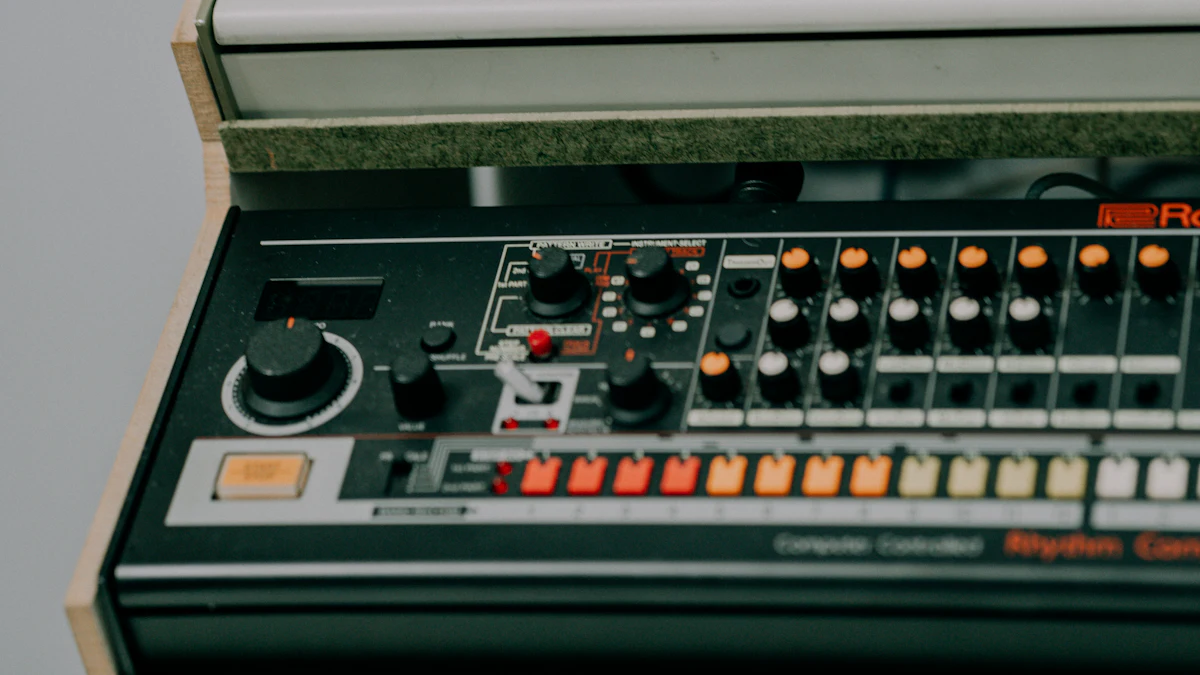
The Rise of Ambient House and Techno
The late 1980s and early 1990s saw ambient music move out of the purely experimental realm and merge with the burgeoning rave and club culture. As weary clubbers sought respite from the intensity of the dance floor, “chill-out rooms” emerged, providing a space for relaxation accompanied by softer, more atmospheric electronic sounds. This cultural shift gave birth to ambient subgenres like ambient house and ambient techno.

Artists such as The Orb, with their playful samples, dub influences, and sprawling soundscapes (e.g., “U.F.Orb”), became synonymous with ambient house. Simultaneously, others like Aphex Twin (Richard D. James) under various monikers, and Global Communication pushed the boundaries of ambient techno, blending the genre’s atmospheric depth with subtle, often broken, rhythms. Albums like Aphex Twin’s “Selected Ambient Works 85-92” became foundational texts for this new sound, demonstrating how ambient principles could be integrated with rhythmic elements without losing their meditative quality. For fans of this era, ambient techno vinyl records offer a tangible connection to this period.
Diverse Soundscapes: Exploring Ambient Subgenres
The initial concept of ambient music has branched out into a rich tapestry of ambient subgenres, each with its own distinct characteristics. For those looking to dive deeper into the genre and explore independent ambient music labels, the journey is truly rewarding:
Drone Ambient
Characterized by sustained tones and minimal changes, drone ambient (e.g., Eliane Radigue, Stars of the Lid) focuses on texture and harmonic resonance, creating deeply immersive and often spiritual experiences.
Dark Ambient
Exploring unsettling and melancholic atmospheres, dark ambient (e.g., Lustmord, Raison d’être) often incorporates industrial sounds, field recordings, and low-frequency drones to evoke feelings of isolation or dread.
Illbient
Emerging from New York in the 1990s, illbient (e.g., DJ Spooky, Sub Dub) blends ambient textures with hip-hop rhythms, dub influences, and experimental sound design, creating a grittier, urban soundscape.
Ambient Pop/Electronica
Integrating ambient textures with more conventional song structures and melodies, this subgenre (e.g., Boards of Canada, Helios) often creates nostalgic or dreamlike moods.
Ambient’s Enduring Legacy and Influence
The history of ambient music continues to evolve, influencing countless artists and genres beyond its initial scope. Its emphasis on atmosphere and emotional resonance has made it a favorite for film scores, video game soundtracks, and multimedia installations, where it enhances narratives and creates immersive worlds without distracting the audience. Elements of ambient can be heard in everything from post-rock to contemporary classical music, proving its versatility and timeless appeal.
The genre’s foundational principles—creating evocative sound environments for reflection or relaxation—remain as relevant today as they were when Eno first articulated them. As listeners seek sonic escapes and tools for focus in an increasingly noisy world, ambient music albums continue to offer a profound and rewarding experience. While distinct, ambient’s atmospheric depth can be felt in related genres like trip-hop.
To truly appreciate the nuances of ambient soundscapes, quality audio equipment is essential. For recommendations, explore our guide to the best headphones for downtempo music and shop audiophile headphones.
Frequently Asked Questions About Ambient Music
Who is considered the pioneer of ambient music?
Brian Eno is widely considered the pioneer of ambient music, having coined the term and released the seminal album “Ambient 1: Music for Airports” in 1978. His philosophical approach to creating music that complements the environment laid the groundwork for the genre.
How has ambient music evolved over time?
Ambient music has evolved significantly since its origins. Initially defined by Eno’s minimalist and atmospheric soundscapes, it later integrated with electronic dance music in the late 1980s and early 1990s, giving rise to ambient house and ambient techno. It has since branched into numerous subgenres like dark ambient, drone ambient, and illbient, incorporating diverse influences from classical to industrial music, while maintaining its core focus on atmosphere and mood.
What are the main subgenres of ambient music?
Some of the main subgenres of ambient music include:
- Drone Ambient: Characterized by sustained, evolving tones.
- Dark Ambient: Focuses on unsettling, melancholic, or eerie atmospheres.
- Ambient House/Techno: Blends ambient textures with subtle rhythmic elements from house or techno.
- Illbient: An urban-influenced style incorporating dub, hip-hop, and experimental sounds.
- Ambient Pop/Electronica: Integrates ambient elements into more structured, melodic tracks.
You can delve deeper into these and other ambient subgenres for a comprehensive understanding.
How does ambient music influence other genres?
Ambient music’s influence extends widely across various genres and artistic forms. Its emphasis on texture, mood, and atmosphere has impacted film scores, video game soundtracks, and contemporary classical compositions, providing evocative backdrops. Elements of ambient sound design and expansive soundscapes can be heard in post-rock, IDM, and even certain forms of hip-hop and R&B, demonstrating its pervasive impact on modern music production and aesthetic.


Happy
0 %

Sad
0 %

Excited
0 %

Sleepy
0 %

Angry
0 %

Surprise
0 %
 0
0
 0
0