The Evolution of Ambient Music: From Eno to Modern Chillout
Read Time:4 Minute, 35 Second
The Genesis: Brian Eno and the Birth of Ambient
Ambient music, often described as a soundtrack to a specific environment, has quietly yet profoundly shaped the soundscapes of our lives. From its deliberate inception by pioneers like Brian Eno to the diverse and ever-evolving chillout sounds of today, this genre offers a unique sonic experience. Join us as we trace the fascinating history of ambient music, exploring its key figures, pivotal moments, and continuous transformation.
This post contains affiliate links, and we may earn a commission from qualifying purchases.

Defining Ambient: Music for Environments
The true genesis of ambient music is widely attributed to the visionary artist Brian Eno. After an injury in 1975, Eno found himself listening to music where the volume was very low, and he realized how the music blended into the background, becoming part of the atmosphere rather than the sole focus. Eno famously defined ambient music as “capable of accommodating many levels of listening attention without enforcing one in particular; it must be as ignorable as it is interesting.” His seminal 1978 album, Ambient 1: Music for Airports, exemplified this philosophy, creating sonic environments designed to induce calm and reduce stress, not just in airports but in any space. Eno’s early experiments laid the foundational principles for what would become a distinct and influential electronic music genre.
Expanding Horizons: The 80s and 90s Electronica Wave
As the 1980s progressed and electronic music production became more accessible, other artists began to explore and expand upon Eno’s initial concepts. The genre moved beyond pure sonic backdrops, often incorporating rhythmic elements while still retaining its atmospheric core.
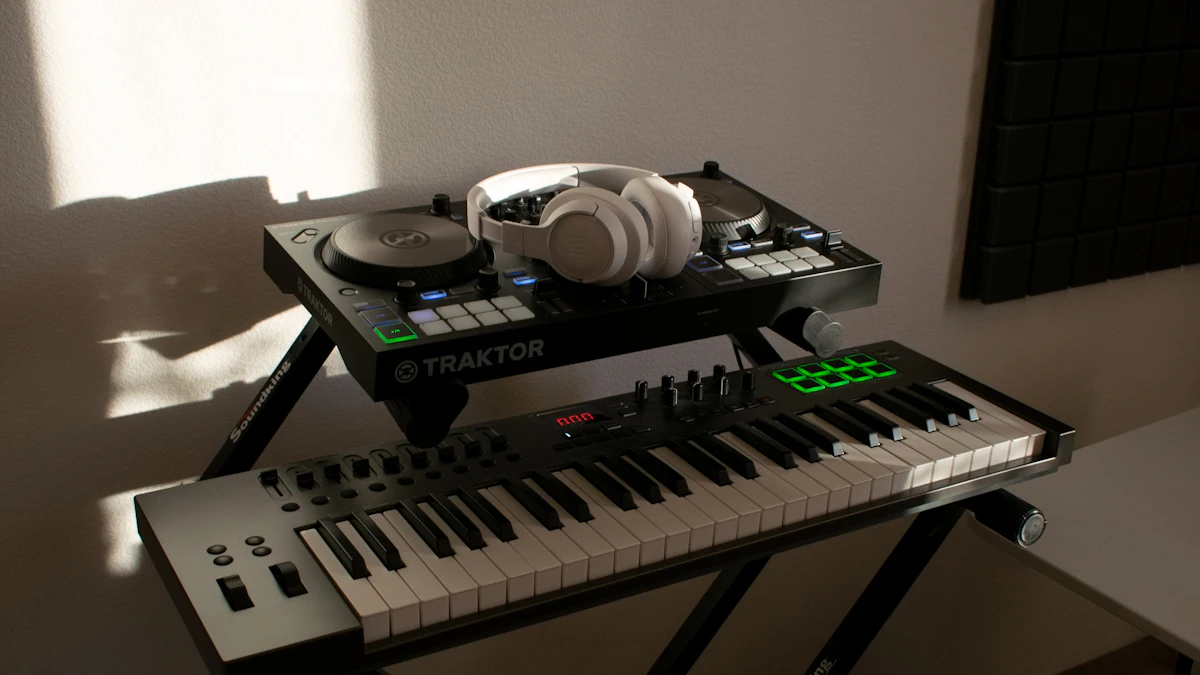
Ambient House and Techno
The late 80s and early 90s saw the emergence of “ambient house” and “ambient techno,” largely influenced by the burgeoning rave and club culture. Artists like The Orb, with their playful and sprawling soundscapes, and Aphex Twin, particularly with his Selected Ambient Works 85–92, demonstrated how ambient textures could merge with subtle beats and evocative melodies. These developments showcased ambient music’s versatility, proving it could be both a backdrop for relaxation and a journey into abstract sound. For a deeper dive into related electronic genres, you might enjoy exploring the genres of downtempo music.
The Chillout Era: Downtempo’s Rise
As the millennium approached, ambient music continued its evolution, finding a new identity in the “chillout” movement. This subgenre became synonymous with relaxation, post-club wind-downs, and serene backdrops for cafes and lounges worldwide.
Cafe Culture and Global Sounds
Iconic compilations like Café del Mar and Buddha Bar became hugely popular, curating eclectic mixes of downtempo beats, world music influences, and lush, atmospheric textures. Chillout music embraced a broader palette of sounds, often incorporating acoustic instruments, ethnic percussion, and smooth vocals alongside electronic elements, making it accessible to a wider audience. It moved ambient music from the experimental fringe into mainstream consciousness as a soundtrack for laid-back living.
Modern Ambient: Diverse Soundscapes and Digital Frontiers
Today, ambient music is a vast and eclectic landscape, continually pushing boundaries and integrating new technologies. The digital age has democratized music creation, allowing a new generation of artists to explore myriad subgenres, from drone to experimental classical crossovers.
A New Generation of Explorers
Contemporary artists like Stars of the Lid, Nils Frahm, Max Richter (with his more ambient works), and countless independent producers continue to innovate, constantly releasing new works through independent ambient music labels. They explore themes of nature, space, introspection, and technology, often using complex sound design and immersive techniques. Producers can enhance their creations with specialized downtempo samples and synth presets. If you’re interested in the technical side, consider exploring creating atmospheric pads for ambient tracks or delving into how artists are moving beyond binaural beats with immersive soundscapes. Modern ambient embraces everything from minimalist soundscapes to rich, cinematic textures, proving its enduring adaptability and relevance.
From Brian Eno’s groundbreaking theories to the diverse digital soundscapes of today, the history of ambient music is a testament to its quiet power and continuous reinvention. It remains a genre dedicated to atmosphere, emotion, and environment, providing a unique listening experience that is both ignorable and profoundly engaging. As technology evolves and artists continue to explore new sonic territories, ambient music is sure to keep evolving, offering solace and inspiration for generations to come.
Frequently Asked Questions About Ambient Music
Who is considered the pioneer of ambient music?
Brian Eno is widely credited as the pioneer of ambient music. His 1978 album, Ambient 1: Music for Airports, and his philosophy of music designed to enhance environments, laid the foundation for the genre.
How has ambient music evolved since its inception?
Ambient music has evolved from Eno’s minimalist sonic environments to incorporate rhythmic elements (ambient house/techno), global sounds (chillout), and today encompasses a vast array of subgenres including drone, experimental, and neoclassical forms, leveraging new digital technologies and diverse influences.
What are the key characteristics of modern chillout music?
Modern chillout music typically features relaxed tempos, lush melodic pads, often subtle rhythmic elements (downtempo beats), and a blend of electronic and sometimes acoustic or world music instruments. Its primary aim is to create a calming, reflective, or laid-back atmosphere.
Which artists are prominent in contemporary ambient music?
Prominent contemporary ambient artists include Stars of the Lid, Nils Frahm, Max Richter (for his ambient-leaning works), Hammock, Helios, and many independent producers. The genre is incredibly diverse, with new artists constantly emerging across various sub-styles.
Explore a curated selection of ambient music compilations and chillout albums on Amazon to expand your listening experience.


Happy
0 %

Sad
0 %

Excited
0 %

Sleepy
0 %

Angry
0 %

Surprise
0 %
 0
0
 0
0