 0
0
 0
0
High-Resolution Streaming: Comparing Audiophile Platforms and Services
In the evolving world of digital music, high-resolution audio streaming has emerged as the ultimate frontier for audiophiles seeking unparalleled sound quality. Moving beyond the limitations of standard compressed audio, hi-res streaming services deliver music with greater detail, depth, and fidelity, aiming to replicate the original studio recording experience. But with several platforms vying for your ears and wallet, choosing the right one can be a complex decision.
This detailed guide will compare the top high-resolution streaming services, examining their offerings, sound quality, library sizes, unique features, and what you need to get the most out of them. Whether you’re a seasoned audiophile or just curious about stepping up your listening game, understanding these platforms is key to unlocking a superior audio experience.
What is High-Resolution Audio?
Before diving into specific services, it’s crucial to understand what distinguishes high-resolution audio from standard and even lossless formats. High-res audio generally refers to digital audio files with a sampling rate greater than 44.1 kHz and a bit depth greater than 16-bit – the specifications of CD-quality audio. Common high-res formats include 24-bit/96 kHz or 24-bit/192 kHz.
The higher sampling rate captures more “snapshots” of the original analog sound wave per second, while the increased bit depth allows for a wider dynamic range and finer detail in each sample. This results in a digital audio signal that more closely mirrors the original analog sound source, offering a richer, more nuanced, and expansive listening experience.
It’s important to differentiate this from merely “lossless” audio. Lossless formats, such as FLAC or ALAC, preserve all the data from the original source without compression artifacts, but they don’t necessarily guarantee that the source itself was high-resolution. CD-quality lossless audio (16-bit/44.1 kHz) is better than MP3, but true high-res streaming goes a step further by offering lossless audio derived from higher-resolution masters. For a deeper dive into these formats, check out our guide on understanding lossless audio, FLAC, ALAC, and high-resolution.
Key Considerations for Choosing a Service
Selecting the best high-resolution streaming platform involves more than just looking at the numbers. Here are the critical factors to weigh:
Sound Quality and Formats
While most services claim “high-res,” the actual quality and available formats can vary. Some offer primarily 24-bit/48 kHz, while others boast extensive libraries in 24-bit/96 kHz or even 24-bit/192 kHz. Additionally, some platforms use MQA (Master Quality Authenticated) for their highest quality tier, a controversial but widely adopted codec designed for efficient high-res delivery.
Library and Curation
Even the highest quality audio is pointless if your favorite music isn’t available. Evaluate the size and breadth of each service’s high-res catalog, especially in your preferred genres. Look for robust search functions, personalized recommendations, and curated playlists that align with your taste.
Device Compatibility
Ensure the service works seamlessly with your existing audio equipment, including your DAC (Digital-to-Analog Converter), streaming devices, and playback software. Compatibility with mobile devices, desktop apps, and dedicated network streamers is crucial for a flexible listening experience.
Pricing and Subscription Tiers
High-resolution streaming typically comes at a premium compared to standard subscriptions. Compare the pricing models, including family plans or student discounts, and consider what features are included in each tier.
Comparing Top High-Resolution Streaming Platforms
The landscape of high-fidelity music streaming has several strong contenders. Each offers a unique blend of features and audio quality tiers. For a comprehensive look at the market, explore our article on streaming services for audiophiles.
Qobuz
- Sound Quality: Widely regarded as the purest high-res offering, Qobuz streams FLAC files up to 24-bit/192 kHz with no MQA encoding. It also offers a download store for purchasing high-res tracks.
- Library: Boasts a vast library, particularly strong in classical, jazz, and independent music, alongside mainstream releases. Excellent editorial content with articles and album reviews.
- Pros: Unadulterated high-res FLAC, download store, excellent curation, focus on audiophile experience.
- Cons: UI can feel less polished than competitors, library might be slightly smaller in some pop genres.
Tidal
- Sound Quality: Offers “HiFi” (CD-quality lossless FLAC) and “HiFi Plus” (up to 24-bit/192 kHz MQA and Dolby Atmos/Sony 360 Reality Audio). Tidal was a pioneer in MQA.
- Library: Extensive library across all genres, known for early access to some releases and strong artist connections.
- Pros: Large library, MQA for high-res, immersive audio options, good artist payouts (reportedly).
- Cons: MQA format can be controversial for some audiophiles, higher price for HiFi Plus.
Amazon Music Unlimited
- Sound Quality: Offers “HD” (CD-quality lossless, 16-bit/44.1 kHz) and “Ultra HD” (up to 24-bit/192 kHz FLAC), plus spatial audio.
- Library: A massive catalog, leveraging Amazon’s extensive music database.
- Pros: Very competitive pricing, especially for Amazon Prime members or with an Echo device, huge library, native FLAC for high-res.
- Cons: User interface can be cluttered, dedicated audiophile features are less prominent.
Apple Music
- Sound Quality: Offers “Lossless” (CD-quality ALAC) and “Hi-Res Lossless” (up to 24-bit/192 kHz ALAC). Also includes Spatial Audio with Dolby Atmos.
- Library: One of the largest music libraries available.
- Pros: Included at no extra cost for existing subscribers, seamless integration with Apple ecosystem, massive library, Spatial Audio.
- Cons: Requires specific Apple hardware (or third-party DACs) to fully utilize Hi-Res Lossless on certain devices, no native desktop app for Windows.
Deezer HiFi
- Sound Quality: Offers CD-quality lossless FLAC (16-bit/44.1 kHz). While not full “high-res” in the 24-bit sense, it’s a solid lossless option.
- Library: Large global library.
- Pros: Good for those wanting lossless but not necessarily highest-res, competitive pricing, “Flow” personalized playlist feature.
- Cons: Does not offer 24-bit high-resolution audio, which may be a dealbreaker for some audiophiles.
Essential Equipment for High-Res Streaming
To fully appreciate high-resolution audio, your equipment needs to be up to the task. Here’s a quick overview:
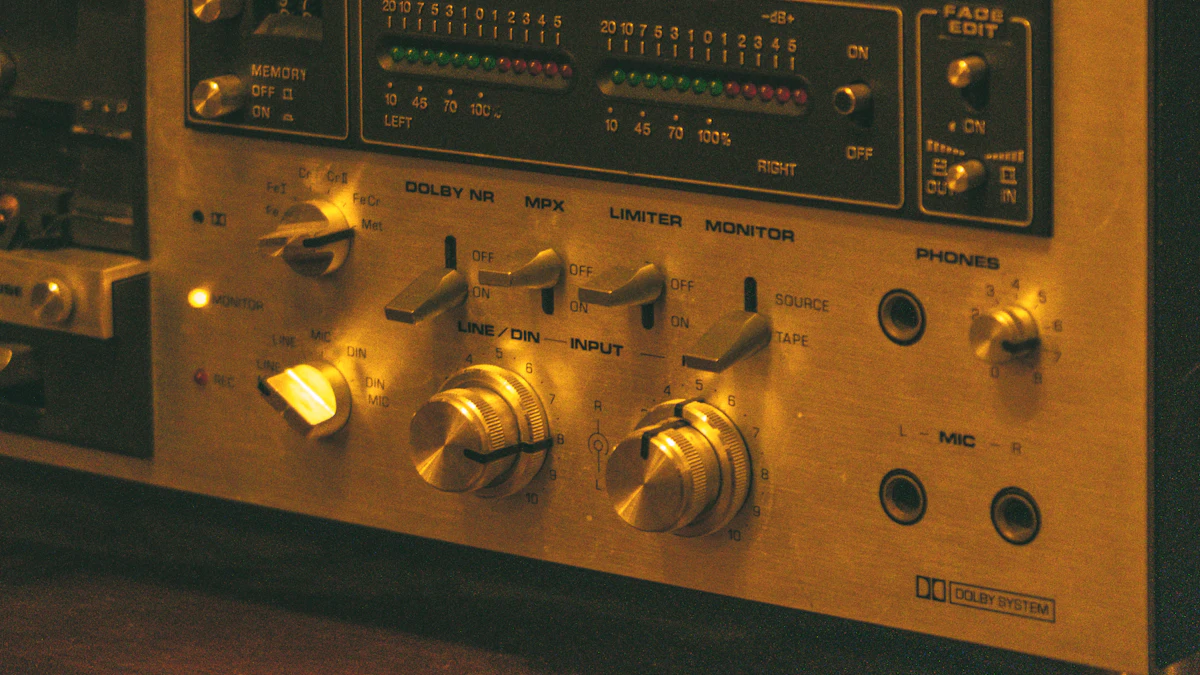
- Digital-to-Analog Converter (DAC): A dedicated external DAC is crucial. Your computer or phone’s built-in DAC often isn’t designed to handle or accurately reproduce high-resolution audio. An external DAC bypasses these limitations, processing the digital signal into a much cleaner analog waveform.
- Headphones or Speakers: High-quality, audiophile-grade headphones or speakers are essential. They need to be capable of revealing the subtle details and wider frequency response that high-res audio offers.
- Network and Internet Speed: Streaming uncompressed high-resolution files requires significant bandwidth. Ensure you have a stable and fast internet connection to avoid buffering or drops in quality.
Investing in quality DACs and headphones will significantly enhance your high-res streaming experience.
Is High-Resolution Streaming Worth the Investment?
For casual listeners, the difference between high-res and high-quality compressed audio might not be immediately obvious, especially on standard equipment. However, for audiophiles and discerning listeners with a good audio setup, the benefits are clear:
- Greater Detail: You’ll hear instruments, vocals, and ambient sounds with more clarity and precision.
- Wider Dynamic Range: The contrast between the quietest and loudest parts of a track is more pronounced, leading to a more engaging listen.
- Improved Soundstage: Music often sounds more open, with better separation between instruments and a more realistic sense of space.
- Emotional Connection: Many audiophiles report a deeper emotional connection to their music, feeling closer to the artist’s original intent.
Ultimately, the “worth” is subjective. If you value pristine sound, own capable equipment, and find joy in exploring the nuances of your favorite tracks, then high-resolution streaming is absolutely a worthwhile investment.
Frequently Asked Questions About High-Res Streaming
- Which streaming services offer high-resolution audio?
- The primary services offering true high-resolution audio (typically 24-bit/48kHz or higher) include Qobuz, Tidal (HiFi Plus), Amazon Music Unlimited (Ultra HD), and Apple Music (Hi-Res Lossless). Deezer HiFi offers CD-quality lossless, which is excellent but not technically “high-res.”
- What’s the difference between lossless and hi-res streaming?
- Lossless streaming (like CD-quality FLAC or ALAC at 16-bit/44.1 kHz) preserves all the data from the original source without compression. High-resolution streaming goes further by delivering lossless audio that was originally recorded and mastered at a higher resolution (e.g., 24-bit/96 kHz or 24-bit/192 kHz), offering superior detail and dynamic range compared to CD quality.
- Are high-res streaming services worth the cost?
- For audiophiles and listeners with high-quality audio equipment (such as a good DAC and headphones/speakers), high-res streaming can provide a noticeably richer, more detailed, and immersive listening experience. If you value the absolute best sound quality and have the setup to appreciate it, many find the extra cost worthwhile.
- What equipment do I need for high-res streaming?
- To fully experience high-res streaming, you’ll need: a reliable internet connection; a device capable of outputting high-res audio (computer, dedicated streamer, or compatible mobile device); a high-quality Digital-to-Analog Converter (DAC) to process the digital signal; and audiophile-grade headphones or speakers capable of reproducing the extended detail and frequency range.
Conclusion
High-resolution streaming represents a significant leap forward for digital music, bringing listeners closer to the original recording than ever before. While each platform has its strengths, services like Qobuz and Tidal continue to lead the charge for dedicated audiophiles, with Amazon Music Unlimited and Apple Music offering compelling, cost-effective alternatives. Your ideal choice will depend on your specific priorities regarding sound quality, library preferences, equipment compatibility, and budget. Experiment with trial periods, if available, to discover which service truly resonates with your ears and enhances your personal audio journey.


