 0
0
 0
0
Feel the Bass: Integrating a Subwoofer into Your Home Audio Setup
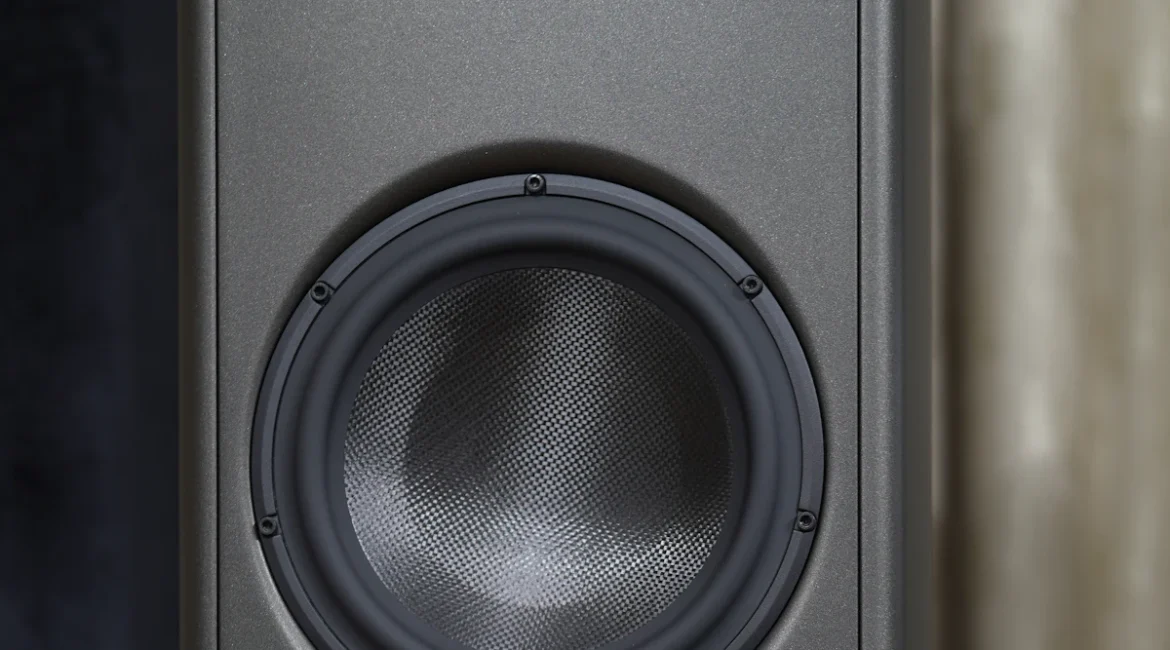
There’s a common misconception that deep bass is just about making things loud and boomy. In reality, a well-integrated subwoofer doesn’t just add rumble; it completes your audio picture, providing the crucial low-frequency foundation that music and movies often demand. If you’ve ever felt that your favorite tracks lack punch or your action films miss that visceral impact, it’s likely because your system isn’t reaching down into the lowest octaves.
Integrating a subwoofer into your existing home audio setup can transform your listening experience, adding depth, realism, and a fuller soundstage. It allows your main speakers to focus on the frequencies they handle best, resulting in clearer mids and highs, while the subwoofer takes care of the challenging bass notes. This guide will walk you through the essential steps to choose, place, and integrate a subwoofer for optimal performance.
What are the Benefits of Adding a Subwoofer to Your System?
Adding a dedicated subwoofer brings several significant advantages to any home audio setup, regardless of whether you’re building a stereo music system or a full-blown home theater:
- Fuller Frequency Response: Most bookshelf speakers and even many floor-standing models struggle to reproduce frequencies below 50-60 Hz effectively. A subwoofer is designed specifically for these low frequencies, extending your system’s range down to 20 Hz or even lower. This means you hear everything the artist or filmmaker intended.
- Improved Dynamics and Impact: The rumble of an explosion, the deep thud of a kick drum, or the sustained low notes of an organ—these elements gain incredible realism and impact when handled by a capable subwoofer. It adds a physical dimension to sound that excites the senses.
- Reduced Strain on Main Speakers: By offloading the demanding low-frequency duties to a subwoofer, your main speakers can operate more efficiently and accurately in their optimal frequency range. This often results in clearer vocals, more detailed instruments, and reduced distortion from your main speakers. If you’re looking to upgrade your main speakers, consider reading our guide on choosing the right speakers for your home audio setup, or explore options to Shop Home Audio Speakers.
- Enhanced Stereo Imaging and Soundstage: While bass often seems omnidirectional, a properly integrated subwoofer can actually improve the perceived spaciousness and imaging of your overall system. By providing a solid foundation, it helps anchor the soundstage and allows other sonic elements to stand out with greater clarity.
Where is the Best Place to Position a Subwoofer?
Subwoofer placement is arguably the most critical factor in achieving great bass. Unlike higher frequencies, low frequencies interact heavily with your room’s acoustics, leading to “standing waves” that can cause some areas to have booming bass and others to have almost none. To optimize your sound, it’s often beneficial to Improve Your Listening Room acoustics. Finding the right spot requires a bit of experimentation.
The Subwoofer Crawl Method
This classic technique is often the most effective way to find the sweet spot in your room:
- Place the subwoofer temporarily in your primary listening position (where you normally sit).
- Play some music or movie scenes with strong, consistent bass.
- Crawl around your room, particularly along walls and in corners, listening for where the bass sounds the smoothest, most articulate, and most impactful.
- Once you find that ideal spot, mark it and place your subwoofer there. This is often the best compromise between smooth bass response and practical placement.
General Placement Tips
- Corners: Placing a subwoofer in a corner often reinforces bass output due to boundary gain, which can be useful if your subwoofer struggles with output. However, it can also lead to boomy or muddy bass if not carefully managed.
- Near Walls: Placing a subwoofer along a wall (but not directly in a corner) is often a good starting point. Experiment with moving it a few inches in either direction to fine-tune the sound.
- Avoid the Center of the Room: Placing a subwoofer directly in the middle of a wall or the room can often lead to bass cancellation or weak bass in the listening position.
- Multiple Subwoofers: If you have the option, using two or more subwoofers can provide much smoother and more even bass distribution throughout the room, minimizing peaks and dips caused by room modes.
How Do I Properly Integrate a Subwoofer with My Existing Speakers?
Once you’ve found the ideal placement, the next step is to integrate your subwoofer seamlessly with your main speakers. The goal is for the subwoofer to disappear into the soundstage, making it impossible to tell where the bass is coming from.
Connections
Most modern AV receivers have a dedicated “SUBWOOFER OUT” or “LFE OUT” RCA jack. This is the simplest and often best way to connect your subwoofer.
- LFE (Low-Frequency Effects) Connection: Connect an RCA cable from your receiver’s LFE out to the LFE input (or a single RCA line-level input) on your subwoofer. This allows your receiver to handle bass management, sending only the appropriate low frequencies to the subwoofer.
- Stereo Line-Level (or Speaker Level) Connection: If you have an older stereo receiver without an LFE output, you might connect the subwoofer via stereo RCA cables (from your receiver’s pre-outs) or by using speaker wire from your receiver’s speaker terminals to the subwoofer’s speaker-level inputs. In these cases, the subwoofer’s internal crossover will be used.
To ensure optimal signal transfer and sound quality for your audiophile setup, you might consider options to Upgrade Your Audio Cables.
As an Amazon Associate, we earn from qualifying purchases.
For a wide range of subwoofers suitable for different setups, you might want to check out options like a home subwoofer or a bass speaker on Amazon.

Crossover Settings
The crossover point determines the frequency at which your main speakers roll off and the subwoofer takes over. This is crucial for a smooth transition.
- AV Receiver Bass Management: If you’re using an LFE connection with a modern AV receiver, the receiver’s automatic calibration system (like Audyssey, YPAO, MCACC) will usually set the crossover point for you. It’s generally best to let the receiver do this. If setting manually, a good starting point is usually 80 Hz for most bookshelf speakers and smaller floorstanders. Larger floorstanders might allow for lower crossovers (e.g., 60 Hz), while very small satellite speakers might need higher (e.g., 100-120 Hz). Refer to your main speakers’ specifications for their low-frequency extension.
- Subwoofer’s Internal Crossover: If connecting via stereo line-level or speaker-level inputs, you’ll use the subwoofer’s built-in crossover knob. Set this to match the low-frequency limit of your main speakers.
Understanding understanding different speaker types can help you make informed decisions about crossover points and speaker integration.
Phase Control
The phase control (usually a 0°/180° switch or a variable knob) adjusts the timing of the subwoofer’s output relative to your main speakers. Incorrect phase can lead to bass cancellation or weak bass at the crossover point.
- Start with 0°. Play a piece of music with a strong, consistent bassline and listen at your primary listening position.
- Switch to 180° (or slowly adjust a variable knob). The setting that yields the loudest, most impactful, and most integrated bass is usually the correct one. You want the bass to sound cohesive, not disconnected or boomy.
Volume Matching
The subwoofer’s volume should be set so that it blends seamlessly with your main speakers, without drawing attention to itself. It shouldn’t overpower the rest of the sound but should provide a solid foundation.
- If you have an AV receiver with auto-calibration, it will set this level for you.
- If setting manually, start with the subwoofer’s volume at about one-quarter or one-third. Play familiar music and adjust the volume gradually until the bass sounds natural and integrated, not exaggerated. You should feel the bass more than hear the subwoofer specifically.
Room Correction Systems
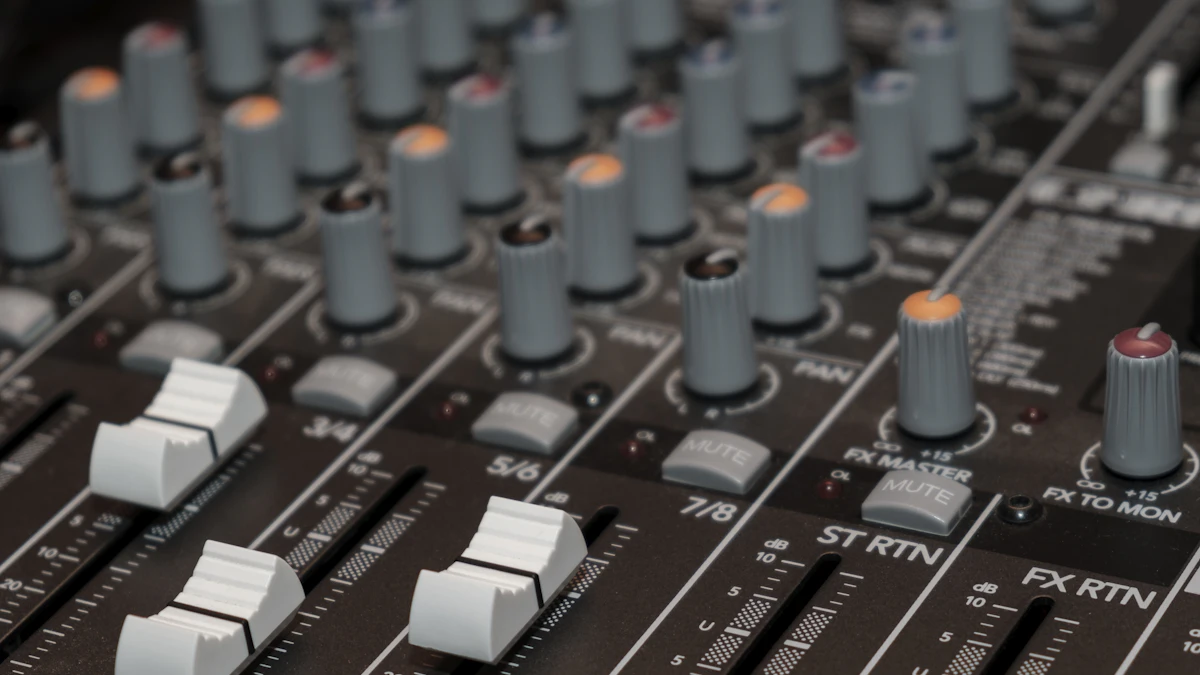
Many modern AV receivers include sophisticated room correction software. Running this software after connecting your subwoofer is highly recommended. These systems measure your room’s acoustics and automatically adjust settings like crossover, phase, level, and equalization to optimize the subwoofer’s performance and blend it with your other speakers. For a proper LFE setup, room correction is a game changer.
Fine-Tuning for Perfection
Integrating a subwoofer is often an iterative process. Don’t be afraid to experiment with small adjustments to placement, phase, and crossover settings. Listen to a variety of music genres and movie scenes to ensure the subwoofer performs well across different types of content. The goal is a system where the bass is powerful, articulate, and completely integrated, adding a new dimension to your audio experience without ever sounding muddy or overpowering.


