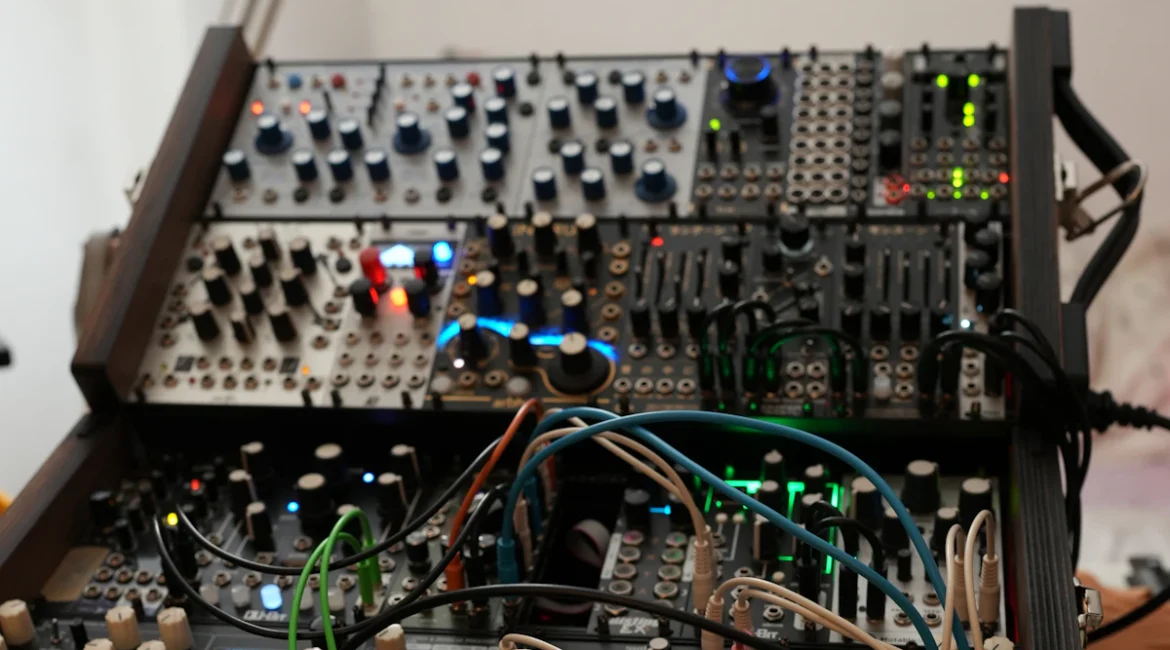
 0
0
 0
0
Creating Your Own Ambient Soundscapes at Home
There’s a unique satisfaction in crafting a personal auditory environment – a space where sounds blend to evoke a mood, aid concentration, or simply offer a moment of peace. This is the art of the ambient soundscape. Far from needing a professional studio, you can start to create ambient soundscapes right from your home, using tools you might already have and simple, yet effective, techniques.
Whether you’re looking to design a calming backdrop for meditation, an energizing auditory space for creative work, or simply explore your sonic surroundings, this guide will walk you through the process. We’ll cover everything from conceptualizing your idea to recording sounds and layering them into a captivating, unique soundscape.
What Exactly is an Ambient Soundscape?
An ambient soundscape is an immersive tapestry of sounds, often without a strong rhythmic or melodic focus. Unlike traditional music, its primary goal isn’t to entertain through narrative or structure, but rather to create an atmosphere, mood, or sense of place. Think of the gentle hum of a forest, the distant rumble of a city, or even abstract, evolving textures that evoke a feeling rather than a concrete image.
These soundscapes draw on principles of sound art and ambient music creation, inviting listeners to immerse themselves in an auditory world. They can be incredibly personal, reflecting your unique perspective on the sounds around you.
Dreaming Up Your Auditory World
The journey to create ambient soundscapes begins not with equipment, but with imagination and active listening.
Finding Your Theme
What feeling or place do you want your soundscape to evoke? Do you envision tranquil nature soundscapes, the quiet bustle of an urban afternoon, or perhaps something entirely abstract and otherworldly? Having a clear theme will guide your sound choices and overall composition. For example, a “rainy day indoors” theme might include soft rain, distant thunder, and the subtle creaks of a house.
Listening Actively
Before you even hit record, practice listening. Pay close attention to the sounds that surround you every day – the hum of your refrigerator, the chirping of birds outside, the distant traffic. This active listening is fundamental to DIY ambient sound creation, helping you identify potential sound sources and understand how they interact in the real world.
Capturing the World Around You

Once you have a concept, it’s time to gather your raw materials: the sounds themselves. You don’t need expensive gear to start.
As an Amazon Associate, we earn from qualifying purchases.
Basic Equipment for Field Recording
Your smartphone can be a surprisingly capable tool for capturing initial recordings. Most modern phones have decent built-in microphones. For a significant step up in quality and control, consider investing in a dedicated portable field recorder. If you’re looking to establish a more permanent setup for broader production, an audio interface is crucial for connecting microphones and instruments to your computer. Explore our guide on setting up your home studio for ambient and downtempo production.
Field Recording Techniques for Beginners
When recording outdoors or in different environments, patience is key. Find quiet moments, experiment with microphone placement, and try to minimize unwanted background noise. Focus on capturing clean, isolated sounds as well as broader atmospheric textures. These field recording techniques are crucial for building a diverse sound library.
Creating Sounds at Home (Foley and Found Sounds)
Don’t limit yourself to the outdoors. Many compelling sounds can be created or found right inside your home. This aspect of sound design home involves recording everyday objects – tapping on glass, rustling fabric, scraping metal, or even running water. These “foley” sounds can add unique textures and intimate details to your soundscape.
Bringing Your Sounds Together
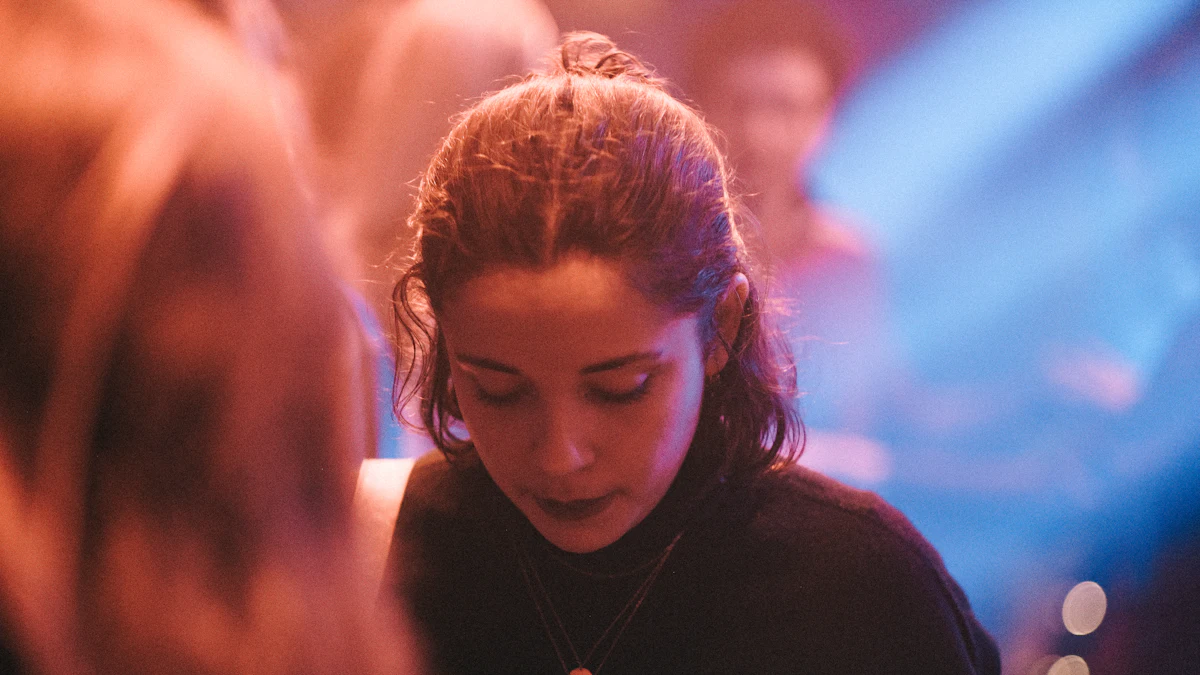
With a collection of sounds, the next step is to arrange, layer, and mix them into a cohesive soundscape.
Choosing Your Digital Audio Workstation (DAW)
A Digital Audio Workstation (DAW) is software used for recording, editing, and mixing audio. Free options like Audacity or GarageBand (for Apple users) are excellent starting points. For more advanced features and greater flexibility as you delve deeper into ambient music creation, consider exploring various music production software options like Ableton Live Lite, Reaper, or FL Studio.
Layering for Depth and Atmosphere
This is where your soundscape truly comes alive. Start with a foundational sound, like an ambient drone or a persistent environmental recording. Then, gradually introduce other elements. Think about foreground, middle ground, and background sounds. For instance, a distant train (background) might be layered with wind chimes (middle ground) and the close-up patter of rain (foreground) to create a specific scene.
Simple Mixing and Editing Techniques
Even basic editing can make a huge difference. Use volume controls to balance your sounds, ensuring no single element overwhelms the others. Panning (moving sounds left or right in the stereo field) can create a sense of space and movement. Basic EQ (equalization) can help sounds sit better together by adjusting their bass, mid-range, or treble frequencies. Don’t be afraid to loop sections of sound to create sustained textures or add subtle effects like reverb or delay to enhance atmosphere, but use them sparingly to maintain clarity.
Polishing Your Auditory Masterpiece
Once your soundscape is assembled, take time to listen critically and refine it.
Iteration and Experimentation
The first draft is rarely the final one. Experiment with different arrangements, try fading sounds in and out, or even reversing sections. Let your soundscape “breathe” – sometimes leaving space and silence can be just as impactful as adding more sound.
The Purpose of Your Soundscape
Consider how your finished soundscape will be used. Is it for personal relaxation, to enhance focus during work, or to inspire creativity? Understanding its purpose can help you make final tweaks. For those interested in how sound can aid focus and relaxation, you might also find our article on the power of pink noise for sleep and focus insightful.
Sharing Your DIY Ambient Sound
Once you’re happy with your creation, share it! Let friends listen, or upload it to platforms where others can experience your unique auditory vision. The joy of creating your own ambient soundscapes is in the process and the impact it has.
Frequently Asked Questions About Ambient Soundscapes
Here are answers to some common questions for aspiring soundscape artists:
What is an ambient soundscape?
An ambient soundscape is an immersive auditory environment, typically without strong melody or rhythm, designed to evoke a mood, a sense of place, or to aid relaxation and focus. It’s a collage of sounds that creates an atmosphere.
What basic equipment do I need to create soundscapes?
You can start with just your smartphone’s built-in microphone and free audio editing software like Audacity. For better quality, a portable field recorder and a Digital Audio Workstation (DAW) like GarageBand or Reaper are recommended.
How can I record interesting sounds at home or outdoors?
Practice active listening to identify unique sounds. When recording outdoors, find quiet moments and experiment with microphone placement to capture clean sounds. At home, use everyday objects to create “foley” sounds like taps, scrapes, and rustles. Focus on isolating sounds as well as capturing broader atmospheres.
How do I layer sounds to create a compelling soundscape?
Start with a foundational sound or drone. Then, progressively add other elements, thinking about their placement in the auditory “space” (foreground, middle ground, background). Use volume control, panning, and subtle effects like reverb to blend sounds and create depth and movement.
Creating your own ambient soundscapes is a rewarding journey into sound art and personal expression. If you’re looking to deepen your skills, consider enrolling in online music production courses. With patience, active listening, and a willingness to experiment, you can transform the sounds around you into captivating auditory experiences. Embrace the process, and let your creativity flow.
For those interested in exploring different facets of digital audio production, you might also enjoy exploring the world of lo-fi hip hop production.


